





Introduction: Getting around Tirana – a complete overview
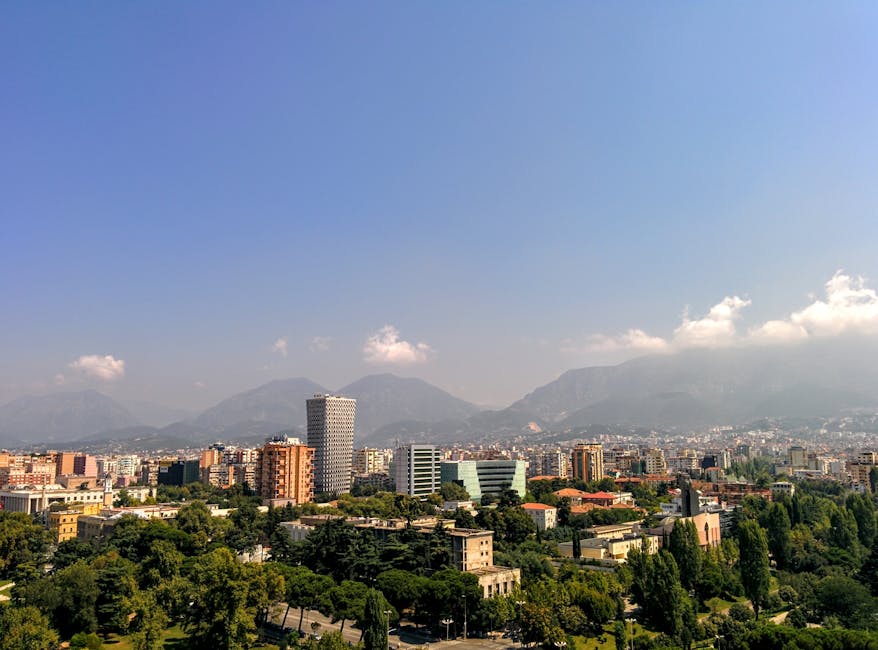
Tirana, Albania’s vibrant capital, is a city in flux: colorful street art, wide boulevards, historic squares and modern neighborhoods blend together. For travelers, getting around Tirana may seem straightforward at first — the city is fairly compact — but there are several options, each with its own rules, fares and local tricks. This comprehensive guide focuses on three main ways to get around: city buses, taxis and walking. It offers practical details with exact addresses, prices in euros, indicative schedules, immersive descriptions and local tips to help you move around efficiently and with confidence.
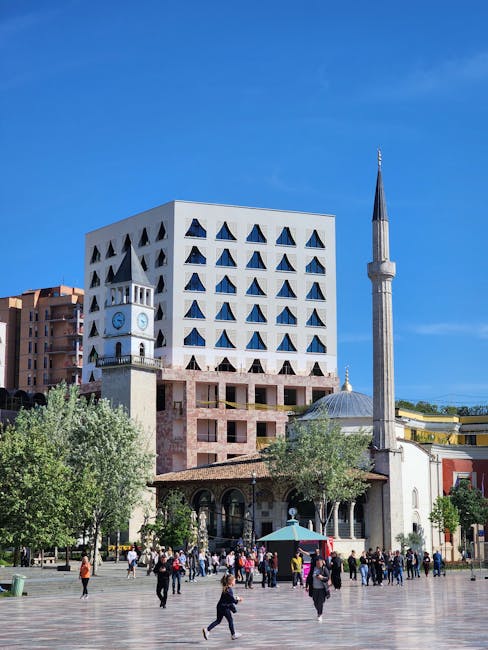
The first thing to understand is scale: the historic and administrative center (around Sheshi Skënderbej / Skanderbeg Square) is compact and perfect for walking. Unless you’re carrying heavy luggage or in a rush, many major sights — the National History Museum (Muzeu Historik Kombëtar), Et’hem Bey Mosque, the Gërmia promenade — are walkable. For trips to outer neighborhoods like Kombinat, Farka, Kashar or the airport area (Tirana International Airport Nënë Tereza), you’ll mainly rely on buses or taxis.
City buses are cheap and cover most main corridors; expect vehicles that can be older but run frequently during rush hours. Taxis are everywhere, handy for luggage and late nights, but you’ll need to watch fares and how they charge (meters are increasingly used, though bargaining still happens). Finally, walking around Tirana is not only possible but recommended to appreciate painted façades, hidden little squares and local cafés. This guide explains in detail how to use each mode, where to find stations and stops, what prices to expect (shown in euros for clarity), typical schedules and which addresses to keep handy.
With route instructions, exact addresses and practical recommendations, you’ll know how to plan trips from key spots like Sheshi Skënderbej (Sheshi Skënderbej, Tirana 1001), the main bus terminal, or the airport (Tirana International Airport Nënë Tereza, Rinas 1051). Local suggestions — how to avoid rush hours, where to wait for a reliable taxi, which bus ticket to buy — complete this guide to make getting around Tirana as smooth as possible.
City buses in Tirana: network, tickets, schedules and practical tips
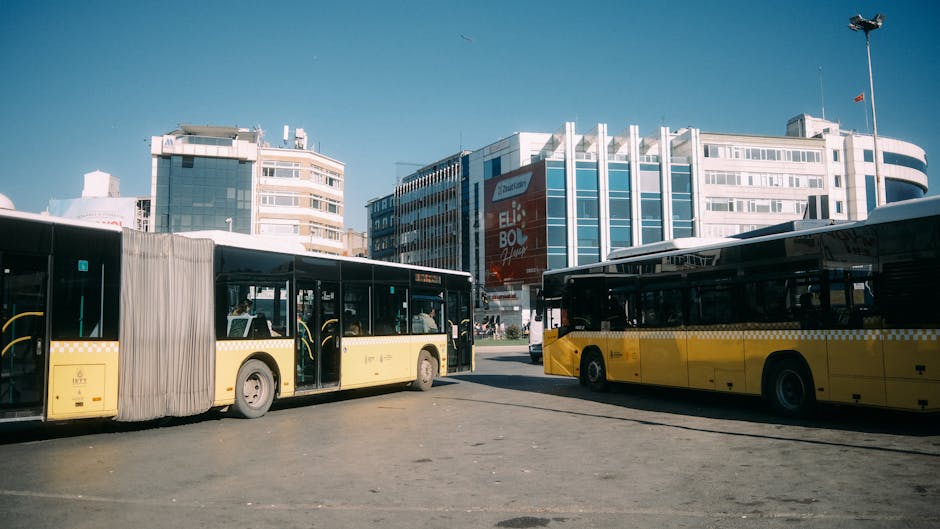
Tirana’s municipal bus network serves most neighborhoods and is the most economical way to get around. Routes run along major arteries like Rruga e Kavajës, Rruga e Elbasanit, Rruga Dritan Hoxha and Rruga Ismail Qemali, among others. Buses typically operate between 05:30 and 23:00; however, some main lines can start earlier (around 05:00) and the last services may finish around 00:30 depending on the line and day. Frequencies vary: during the day expect a bus every 10 to 30 minutes on main corridors; in the evening or off the main routes, intervals are longer.
Fares: a single city bus ticket is very affordable. Generally, a one-way ticket costs about 40 ALL, roughly €0.35 (conversion indicative). Multi-ride tickets or passes exist for residents or longer stays, but visitors often pay on board. Since 2020–2024 most buses accept cash (ALL) with the driver; some buses also accept mobile payment apps or cards, but this is inconsistent. Tip: always carry small change in lek (ALL); if you pay in euros, the driver may refuse or apply a very unfavorable exchange rate.
Departure points and terminals: for intercity journeys the Tirana Bus Terminal (Terminali i Autobusëve Tiranë) is the most useful hub. Useful address for local and intercity connections: Tirana Bus Terminal, Rruga e Elbasanit, Tirana 1001. For local buses, look for main stops near Sheshi Skënderbej (Sheshi Skënderbej, Tirana 1001) and the main boulevard (Bulevardi Dëshmorët e Kombit). Stops are often marked by a pole with a route number; however, signs aren’t always perfectly up to date, so ask the driver if unsure.
Practical organization: before boarding, check the destination displayed on the front of the bus (or ask « A po shkon te …? » in Albanian to confirm). To get off, press the stop button (or tell the driver). If you plan to take the bus to the airport, know there are long lines connecting Tirana to Tirana International Airport Nënë Tereza (Rinas); the journey takes 20 to 35 minutes depending on traffic and usually costs between 200 and 400 ALL (€1.6–€3.4) on public services, sometimes more for private express shuttles.
Taxis: fares, best practices, where to find them
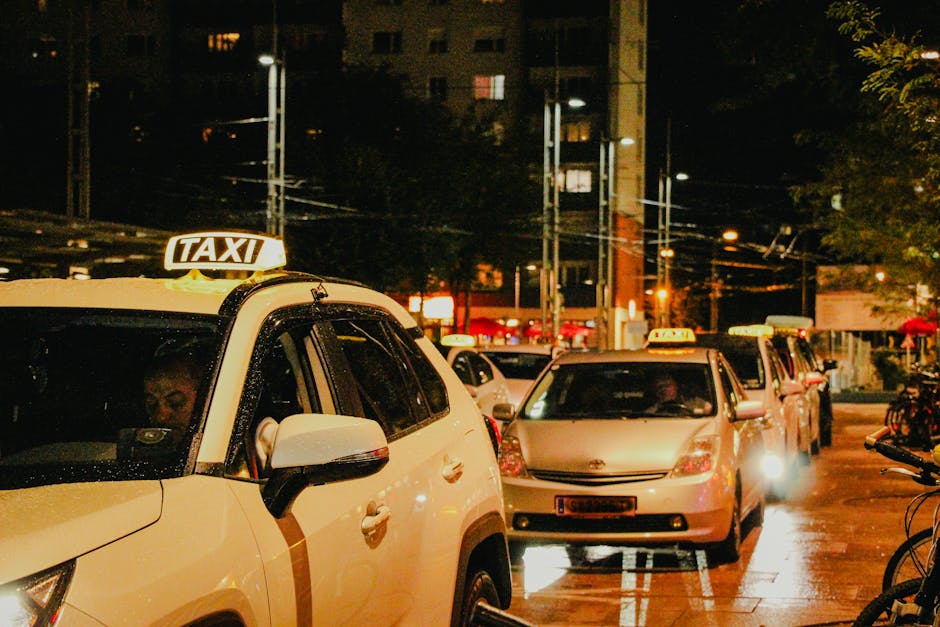
Taxis are everywhere in Tirana and are a flexible, fast and generally safe option, especially at night or when you have luggage. Official taxis usually have a « TAXI » sign on the roof and an identification number. Main pickup spots include Sheshi Skënderbej (Sheshi Skënderbej, Tirana 1001), Rinia Park (Rruga Mine Peza, Tirana 1010) and in front of major hotels like Plaza Tirana Hotel (Bulevardi Dëshmorët e Kombit 9, Tirana 1010). There are also several reliable companies: Radio Taxi Tirana, Tirana Taxi and City Taxi; you can call them or use local apps.
Indicative fares: the starting fare (flag drop) is typically 200–300 ALL (€1.6–€2.5). After that the per-kilometer rate is around 60–80 ALL/km (€0.5–€0.7/km). For a short trip in the center (3–5 km), expect roughly 600–1,200 ALL (€5–€10). To get to the airport (Tirana International Airport Nënë Tereza, Rinas 1051) from the center (Sheshi Skënderbej), budget between 2,000 and 3,500 ALL (€16–€28) depending on time, traffic and amount of luggage. These figures are indicative and can vary; prefer taxis with the meter running (« meter ») or agree on a price before you start.
Safety tips and best practices: insist the meter is used to avoid overcharging. If the driver refuses, negotiate a firm flat rate before getting in. Note the taxi’s ID number (often on the door) and, if possible, take a photo of the plate. At night, choose reputable companies or order via an app so you have a record and a contact. For very long trips or transfers north/south in Albania, it’s better to use an intercity service or book a private car in advance.
Official pickup points: taxi stands can be found in front of:
- Plaza Tirana Hotel, Bulevardi Dëshmorët e Kombit 9, Tirana 1010 — 24h taxi stand.
- Skanderbeg Square (Sheshi Skënderbej), Sheshi Skënderbej, Tirana 1001 — a central hub for taxis and shuttles.
- Tirana International Hotel, Bulevardi Dëshmorët e Kombit 1, Tirana 1010 — taxis and transfer services.
Walking in Tirana: routes, walking times, safety and on-foot highlights
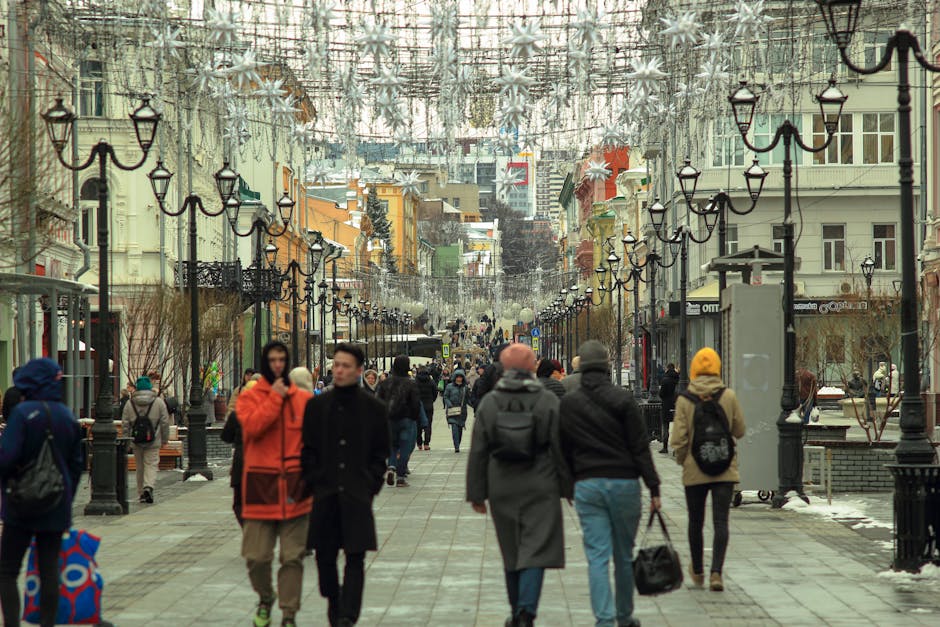
Tirana’s center is great for walking. The layout is fairly flat around the historic and administrative core, streets are wide and sidewalks are often lined with cafés and shops. Walking not only saves money but also lets you spot details motor traffic misses: murals, small galleries, local markets and traditional cafés. Here are several recommended walking routes with approximate walking times and landmark addresses.
Route 1 — Classic stroll: Sheshi Skënderbej (Sheshi Skënderbej, Tirana 1001) → National History Museum (Muzeu Historik Kombëtar, Sheshi Skënderbej, Tirana 1001) → Et’hem Bey Mosque (Et’hem Bey Mosque, Sheshi Skënderbej, Tirana 1001) → Rruga Murat Toptani → Blloku (Rruga Ismail Qemali, Tirana 1010). Estimated walking time: 25–35 minutes without stops. This route crosses the historic core and gives you chances to stop at cafés along Bulevardi Dëshmorët e Kombit to watch local life.
Route 2 — Cultural walk: Sheshi Skënderbej → National Gallery of Arts (Galeria Kombëtare e Arteve, Rruga Qemal Stafa, Tirana 1001) → Pazari i Ri (New Bazaar, Rruga Ismail Qemali, Tirana 1010) → Lana River promenade (Bulevardi Dëshmorët e Kombit). Time estimate: 20–40 minutes depending on stops. Pazari i Ri is perfect for tasting local produce and getting colorful photos.
Safety and comfort: sidewalks are generally safe but uneven in places. Wear comfortable shoes and watch pedestrian crossings; some drivers don’t always yield. In summer bring water and sun protection — temperatures can be high. In winter pack a warm layer and expect some wind on major boulevards. Urban walking is especially pleasant early morning or late afternoon to avoid heat and heavy traffic.
Accessibility: if you have reduced mobility needs, some main streets have ramps, but accessibility isn’t guaranteed everywhere, especially in historic quarters. Taxi stands near hotels and shopping centers are a convenient alternative. For longer outings (for example to Mount Dajti), cable cars and special services exist — a half-day excursion to Dajti with the Dajti Ekspres cable car is an option (Dajti Ekspres, Station address: Parku Rinia / National Park access points).
Airport transfers, intercity trips and alternatives
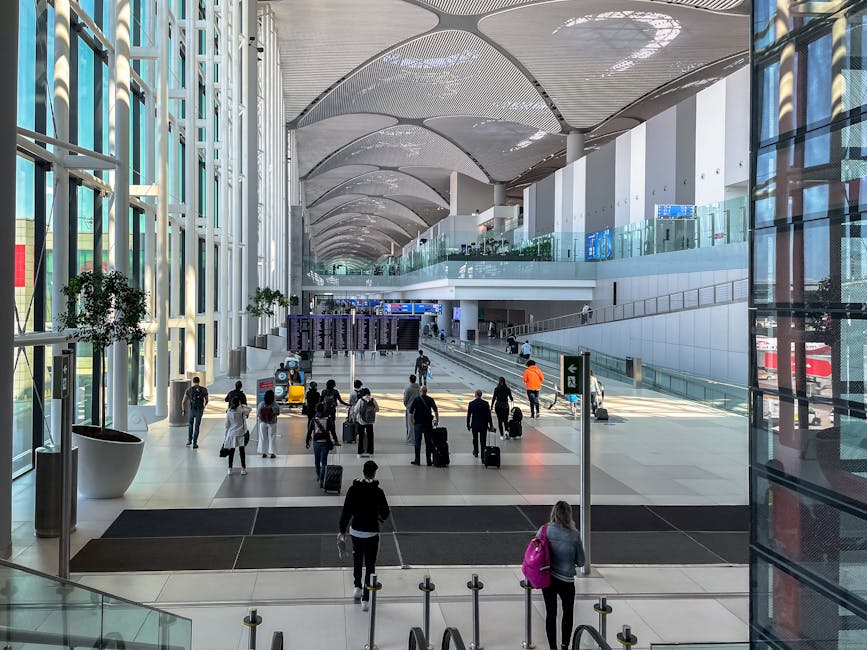
Getting to or from the airport requires specific planning. Tirana International Airport Nënë Tereza (Rinas 1051, Albania) sits about 16 km northwest of the city center. Main options are: taxi, private shuttle, intercity bus and pre-booked transfer service.
Taxi: as noted above, a taxi from Sheshi Skënderbej to the airport generally costs between 2,000 and 3,500 ALL (€16–€28). Duration: 20–40 minutes depending on traffic. Ask the driver to switch on the meter or agree a fixed fare before leaving. Hotel transfer services often charge a slightly higher but more reliable fixed rate if you arrive late.
Buses and shuttles: there are public buses and private shuttles linking the center to the airport. Public buses can cost between 200 and 400 ALL (€1.6–€3.4); private shuttles — often more comfortable and offering hotel pickup — typically cost €6–€12 per person. Timetables vary by operator; most run early morning to late evening to match flight schedules. Check exact times on the airport website or with your hotel before you travel.
Intercity travel: to reach other Albanian cities (Durrës, Shkodër, Berat) or international destinations you’ll use the main bus station (Tirana Bus Terminal — Terminali i Autobusëve Tiranë, Rruga e Elbasanit, Tirana 1001). Intercity buses depart early morning through early evening; it’s advisable to book (or arrive 30–60 minutes in advance) during high season. Prices: Tirana → Durrës generally cost 200–350 ALL (€1.6–€3), Tirana → Shkodër around 600–1,200 ALL (€5–€10), depending on comfort and company.
Local tips, money-saving hacks and etiquette
A few practical tips will save you time and money while improving your experience in Tirana:
- Carry lek (ALL) in small change: small purchases, bus tickets and sometimes taxis require payment in lek. Even if you think in euros, drivers’ exchange rates can be very unfavorable.
- Prefer official taxis and the meter: ask for the meter when you get in; if the driver refuses, agree a firm price before departure.
- Use apps and ask your hotel: many hotels can call a reliable taxi or book a transfer. Local ride apps (EasyTaxi-style or alternatives) exist but aren’t universal.
- Avoid peak hours: 08:00–09:30 and 16:30–18:00 see heavy flows on main boulevards (Bulevardi Dëshmorët e Kombit, Rruga e Kavajës). Walk or travel earlier if possible.
- Respect local customs: politeness goes a long way; a simple « Faleminderit » (thank you) in Albanian is appreciated by drivers and shopkeepers.
- Always check schedules in advance: especially for airport and intercity connections, timetables can change seasonally.
Finally, keep in mind the city is changing fast: new bus lines, ride-hailing services and pedestrian zones can appear. Check locally on arrival for the most up-to-date information.
Conclusion: navigate Tirana with confidence
Getting around Tirana is generally easy once you know the options and local quirks. The city center, around Sheshi Skënderbej (Sheshi Skënderbej, Tirana 1001), is ideal for walking: it lets you explore the National History Museum (Muzeu Historik Kombëtar, Sheshi Skënderbej, Tirana 1001), Et’hem Bey Mosque (Et’hem Bey Mosque, Sheshi Skënderbej) and the lively Blloku neighborhood (Rruga Ismail Qemali, Tirana 1010) without relying solely on motorized transport. For longer distances, municipal buses remain the cheapest option (about 40 ALL / €0.35 a single ride); they run during the day from roughly 05:30 to 23:00 and cover main city arteries. Taxis provide flexibility and comfort: expect a flag drop of 200–300 ALL (€1.6–€2.5) and center↔airport fares between 2,000 and 3,500 ALL (€16–€28), but always insist on the meter or a confirmed price.
Before you set off, carry small amounts of lek for buses and small purchases, memorize a few key addresses (Sheshi Skënderbej, Tirana Bus Terminal — Terminali i Autobusëve Tiranë, Rruga e Elbasanit, and Tirana International Airport Nënë Tereza, Rinas 1051) and take advantage of walking to soak up the city’s character: murals, colorful markets and bustling cafés. Adjust for seasons and rush hours to make the most of your travel time. With these concrete pointers — addresses, fares in euros, approximate schedules and local tips — you’ll be able to move around Tirana confidently, whether you’re on business, sightseeing or staying longer.
Safe travels and happy exploring: Tirana reveals itself both on foot and through conversations with its people. Take your time, try a morning bus trip, negotiate taxis carefully at night and let the alleys tell you the recent story of Albania’s capital.