





Introduction: Why compare downtown and suburbs in Tirana
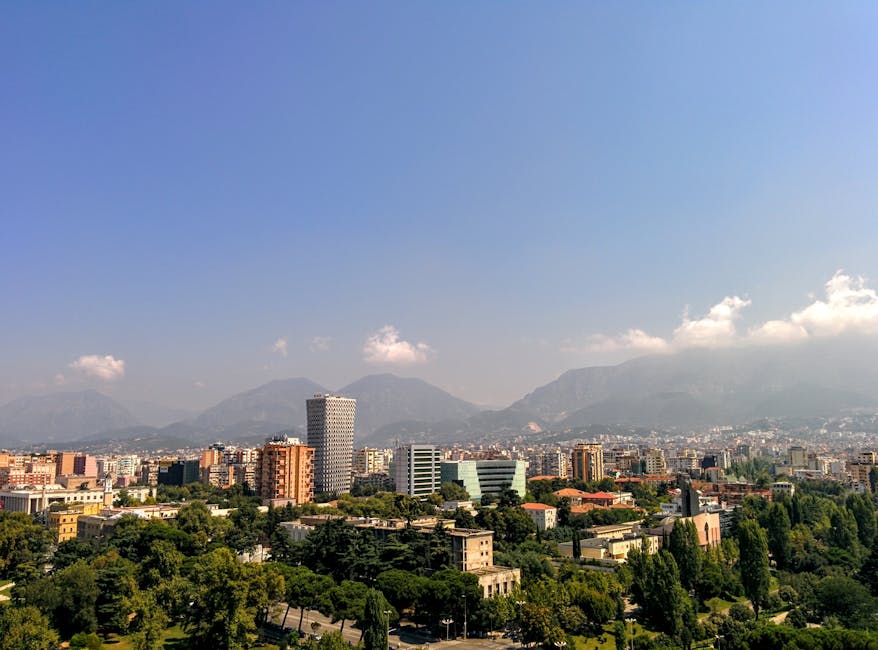
Tirana, Albania’s capital, is a city in flux — lively, colorful and surprisingly compact. For today’s traveler, choosing whether to stay and get around in the historic city center or in the peripheral suburbs isn’t just about distance: it’s a trade-off between convenience, cost, atmosphere, safety, cultural immersion and day-trip options. This guide aims to give you a practical, full picture to decide where to stay and how to make the most of your days, with concrete places, exact addresses, prices in euros, opening hours and local tips.
The heart of Tirana, around Sheshi Skënderbej (Skanderbeg Square), concentrates most of the main sights: the National History Museum, Et’hem Bey Mosque, the colorful facades on Murat Toptani Street and the lively cafés of Blloku. Staying downtown means being within a short walk of museums, restaurants and a buzzing nightlife; you save time and reduce taxi or transit trips. Accommodation prices are generally higher than in the suburbs, but you can offset that by saving on transport and having easier access to emergency and medical services if needed.
Tirana’s suburbs — including neighborhoods like Kombinat, Kashar, Sauk, and the areas around the Grand Park (Parku i Madh) — offer a different experience: quiet, space, parks, often larger and better value accommodations for families and longer stays. The suburbs are a great fit if you want an apartment with a kitchen, to enjoy nature (the park’s lake and woods), or to adapt to a slower pace while staying within reach of the capital. Infrastructure varies: some outer neighborhoods are well served by bus lines (e.g. lines 7, 5), others less so; taxis and apps such as Taksi Tirana or local ride-hailing alternatives remain practical options but should be budgeted for.
In this guide I detail the pros and cons of each option, list places to visit with addresses, opening hours and prices, and provide practical advice — when to take a taxi, how to spot local markets, where to find an affordable traditional dinner and how to enjoy green spaces without the crowds. Whether you’re planning a short weekend or a multi-week stay, this information will help you decide smartly for a successful visit to Tirana.
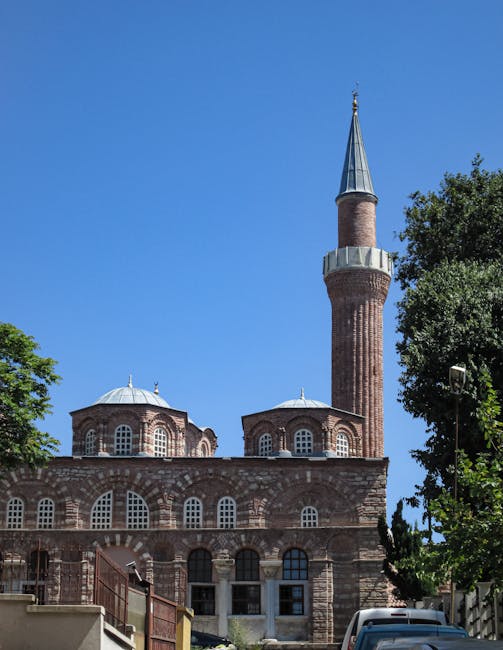
The heart of Tirana: benefits, key spots and urban immersion
Living or staying in central Tirana means diving straight into the city’s historical and cultural core. The official center is Sheshi Skënderbej (Skanderbeg Square), which brings together several iconic sites within walking distance. That proximity is perfect for travelers short on time: museums, a historic mosque, cafés and restaurants are often within a 10–15 minute walk.
Not-to-miss spots include:
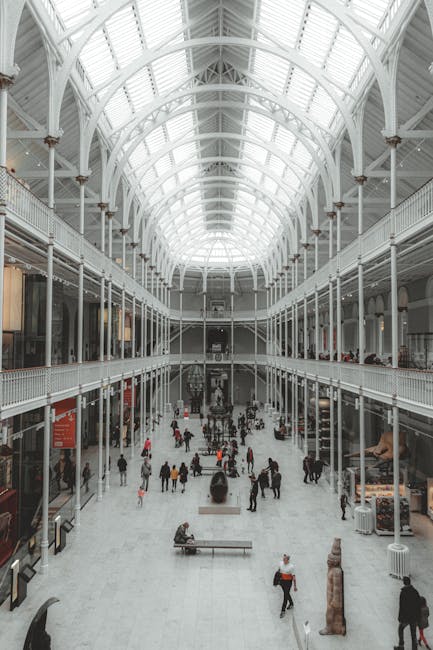
- National History Museum — Muzeu Historik Kombëtar, Sheshi Skënderbej, 1001 Tirana. Opening hours: daily 09:00–17:00 (sometimes closed Monday, check locally). Price: around €3–5 entry. Description: a large facade mural depicting Albanian history; archaeological exhibits, displays on the resistance and the communist era. Great for getting an introduction to the country.
- Et’hem Bey Mosque — Sheshi Skënderbej, 1001 Tirana. Opening hours: open to non-worshipping visitors outside prayer times; generally 08:00–18:00. Price: free (donations welcomed). Description: floral-painted interior, modest but refined Ottoman architecture.
- Bunk’Art 2 — Rruga Fortuzi / Blloku area, 1001 Tirana. Opening hours: 10:00–18:00; Price: around €6–8. Description: a museum and exhibition tunnel on the communist period, located in the lower-central Blloku area — very immersive.
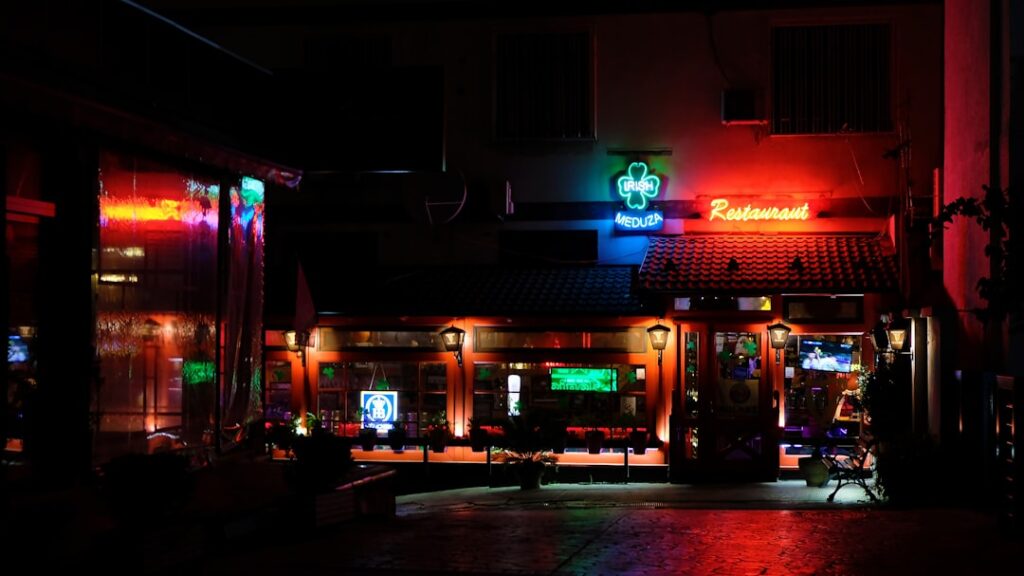
The center is dense with cozy cafés and restaurants. For example, Restaurant Oda — Rruga Murat Toptani 10, 1001 Tirana — serves traditional Albanian cuisine; average prices: mains €8–15, opening hours: 11:00–23:00. For a quick coffee, try Cafe Florja on Bulevardi Deshmoret e Kombit (open 07:00–23:00, espresso ~€1–1.5).
Concrete advantages of staying downtown:
- Walkability: many sights are within walking distance.
- Easy access to services (banks, pharmacies, car rental desks, tour agencies).
- Active nightlife and a feeling of safety: shops and foot traffic make evenings feel livelier.
- Accommodation variety: boutique hotels (e.g. Hotel Plaza Tirana, Bulevardi Bajram Curri 1), hostels and apartments.
Drawbacks:
- Cost: accommodation, cafés and restaurants are slightly pricier.
- Crowds: noise and traffic, especially during evenings and events.
- Limited space: some hotels are smaller and rooms can be compact.
Local tips: book popular attractions and restaurants in advance during high season; walk early in the morning to enjoy the atmosphere without the crowds; use banks or official exchange offices around the square for better rates and security.
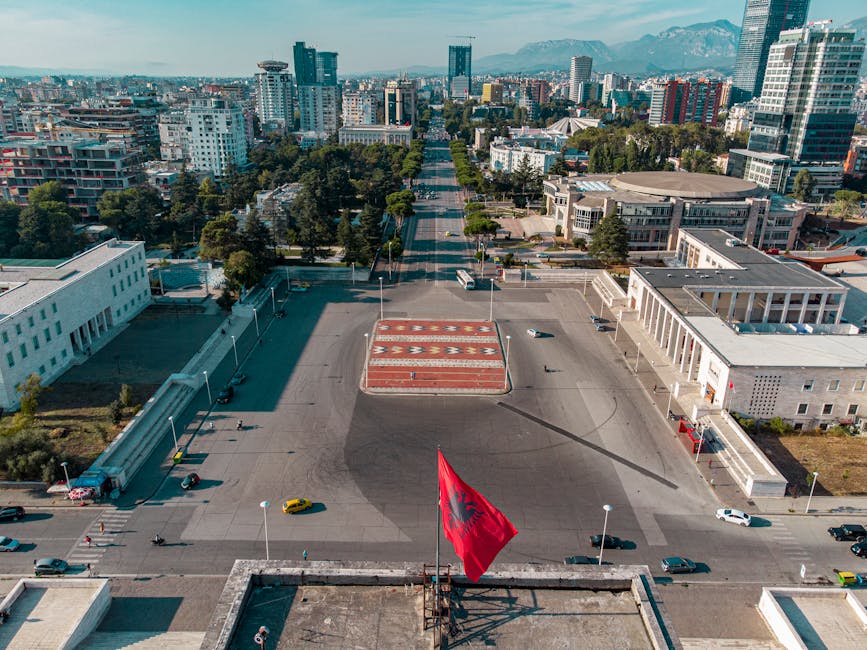
The suburbs and green spaces: calm, nature and a controlled budget
Tirana’s suburbs and outer areas meet different needs: tranquility, green space, softer prices for apartments and the chance to live like a local. The Grand Park of Tirana (Parku i Madh) and the artificial lake (Liqeni Artificial i Tiranës) are the city’s green lungs and attract families and joggers.
A few addresses and practical details:
- Grand Park (Parku i Madh) & Artificial Lake — Rruga e Dëshmorët e Kombit, 1000 Tirana. Opening hours: accessible 24/7, activity zones popular early morning and at sunset. Price: free. Description: lake, jogging paths, lakeside cafés; ideal for picnics, sports and people-watching in the late afternoon.
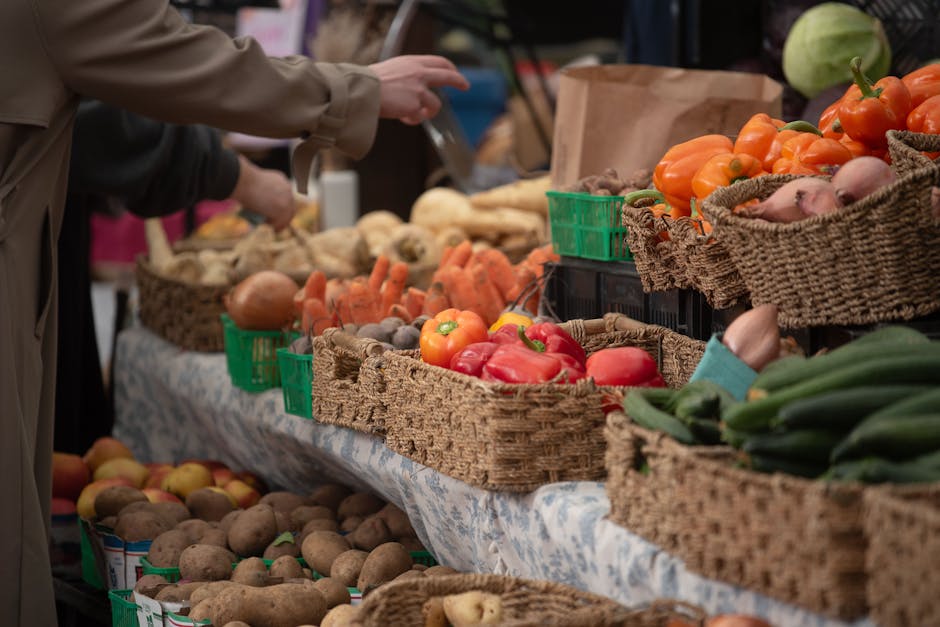
- Kombinat Market — Rruga Kombinat, Tirana. Opening hours: 07:00–15:00. Price: variable (fruit/veg €0.5–3 depending on season). Description: a local market offering fresh produce at very reasonable prices, perfect if you’re staying in an apartment.
- Kashar (residential area) — Commune of Kashar, western outskirts of Tirana. Description: modern residential neighborhoods, apartment complexes, easy access to the outskirts and the highway for day trips (Durrës, the mountains).
The suburbs are also strategic for those staying several weeks: lower rents (one-bedroom short-term rentals often €30–50/night instead of €60–120 in the center), more space for remote work, and the chance to cook with local produce bought at the market.
Drawbacks of staying in the suburbs:
- Transport time and cost: while a typical taxi ride costs €3–8 depending on distance, frequent trips can add up.
- Fewer late-night options: some neighborhoods become very quiet after dark.
- Services sometimes farther away: government offices, embassies and major museums in the center require planning.
Local tips for a suburb stay: get a local SIM card (Vodafone Albania, Telekom Albania) to easily arrange taxis and routes; learn the local bus lines and schedules (main lines usually run to central hubs from 06:00 to 22:00); choose accommodation near a bus stop or main road to minimize transfers.
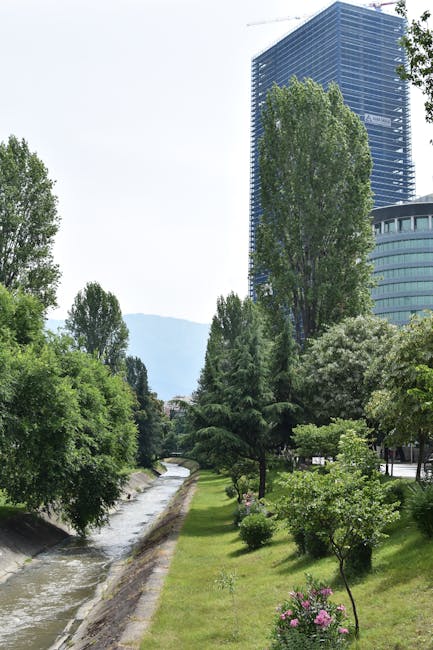
Logistics, budget and practical tips: transport, safety and dining
Logistics (how to get around, what it costs, and recommended behaviors) are central when comparing downtown and suburbs in Tirana. Here are concrete facts and practical recommendations to help plan your stay.
Transport:
- Urban buses: main lines linking the center to the suburbs; approximate hours 06:00–22:00. Price: usually 40–50 lek (~€0.35–0.45) per ride paid in cash to the driver or via a prepaid card. Tip: always keep some small lek coins for the bus.
- Taxis: easy to find in the center; indicative fares: pickup ~€1–1.5, then €0.5–1/km; center–Grand Park ~€3–5, center–Kashar ~€6–10 depending on traffic. Use official taxis or local apps to avoid nighttime overcharging.
- Car rental: international and local agencies available downtown; approximate price €25–45/day depending on model and season. Parking: paid zones in the center, public parking around hotels (check terms).
Safety:
- Tirana is generally safe for travelers, but like any capital be cautious of pickpockets in very busy areas (Skanderbeg Square, markets and public transport). Keep bags and phones supervised.
- Prefer ATMs inside banks to avoid fees and skimming; avoid withdrawing cash late at night in isolated places.
Dining and approximate daily budget:
- Budget snack (byrek, sandwich): €1.5–3.
- Lunch in a local restaurant (traditional dishes): €6–12 per person (e.g. tave kosi, qofte, stuffed eggplant).
- Dinner at a mid-range restaurant: €15–30 per person, drinks included (e.g. Restaurant Oda, Artigiano at Vila).
Local eating tips: look for restaurants frequented by locals (queues or menus only in Albanian); order a « tavë kosi » to try a national dish; ask for the bill (fatura) if it doesn’t arrive — service isn’t always automatic. To save money, shop at Kombinat Market and cook some meals if you have a kitchen.
Health and services: pharmacies (Farmacia) are plentiful in both center and suburbs. Major hospitals: Universiteti i Mjekësisë, Qendra Klinike Universitare « Mother Teresa » — Rruga e Dëshmorëve nr. 6, Tirana; emergency services operate 24/7. Keep travel insurance that covers evacuation and medical care.
Daily activities and day trips: what each area makes easier
Depending on your base (center or suburbs), some activities become much more convenient and others more of a hassle. Here’s an overview of typical outings and what each area supports best.
Activities made easy by staying downtown:
- Cultural discovery on foot: visit the National History Museum, Et’hem Bey Mosque, the National Gallery of Art (Rruga e Kavajës 20, 1001 Tirana — typical hours 10:00–18:00, price ~€3) without needing a vehicle.
- Nightlife: Blloku (once restricted to communist party elites) concentrates bars, restaurants and clubs; easy for bar-hopping.
- Access to day-trip agencies (Durrës, Krujë): departures are frequent and easier thanks to central minibuses and tour desks.
Activities made easy by staying in the suburbs:
- Hiking and nature: departures to Dajti Mountain (the Dajti Ekspres cable car departs from Rruga Mustafa Matohiti, the station is in the eastern suburbs) or peaceful walks around the Grand Park lake early in the morning.
- Long stays: space and calm for remote work, families and relaxation — often larger apartments with balconies/terraces.
- Local experiences: neighborhood markets, small producers, authentic daily life away from tourist traps.
Practical tips for day trips: for Dajti, the Dajti Ekspres cable car (Hours: 09:00–17:00 depending on season; Price: about €6–8 round trip) is a must for panoramic views; for Krujë, visit Krujë Castle (Kalaja e Krujës, Rruga Krujë) and the traditional bazaar for handicrafts; budget €6–12 for bus/minibus round trip.
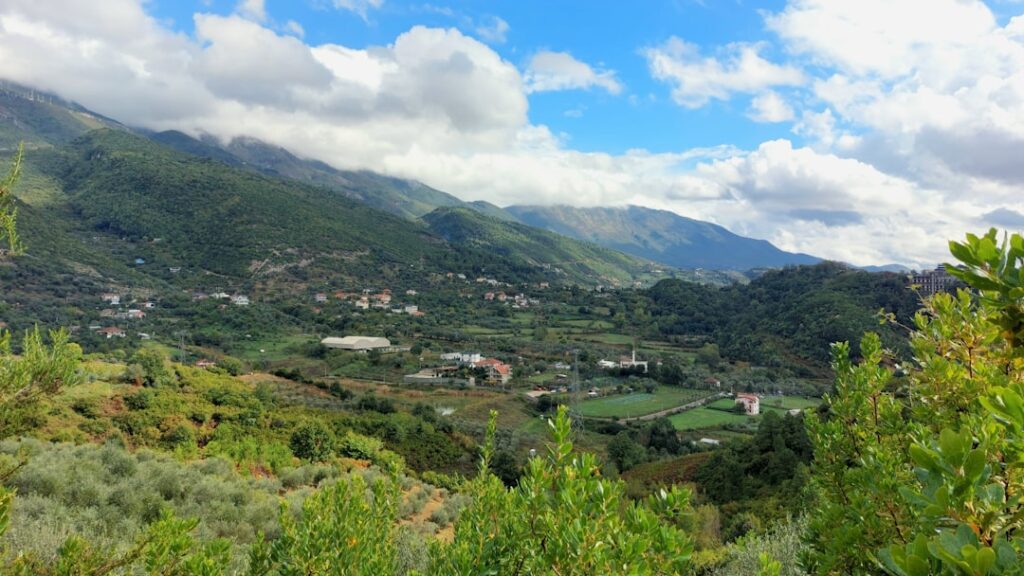
Conclusion: which option for your stay in Tirana?
Choosing between staying in central Tirana or the suburbs mainly depends on your travel priorities. If you want to maximize time, reach museums and sites quickly, enjoy a lively nightlife and have many services at hand, the center is the best option despite a slightly higher cost. The center is ideal for fast discovery and walking itineraries; it suits short stays, cultural getaways and anyone who wants to be at the heart of urban energy.
On the other hand, if you favor quiet, space, more flexible accommodation budgets, longer stays or outdoor activities, the suburbs and residential neighborhoods around the Grand Park, Kashar or Kombinat offer an excellent compromise. You’ll find larger apartments, proximity to local markets and a more relaxed pace. Extra transport expenses should be considered, but for many travelers the comfort and calm are worth it.
Whatever you choose, plan around these points: access to transport (bus stop or cable car station), proximity to essential services (pharmacy, supermarket), and the kinds of activities you want. For short stays, favor the center; for long family stays or remote work, opt for the suburbs. And don’t forget to explore both: one base can be your main camp and the other a day-trip. Tirana is compact and flexible — well organized, it allows you to combine both experiences without sacrificing either.
Safe travels in Tirana: whether you’re after the vibrant city center or the calm of the suburbs, Albania’s capital offers rich and complementary contrasts — pick the palette that fits your stay.