




Introduction — Why worry about vaccinations and prevention before heading to Tirana
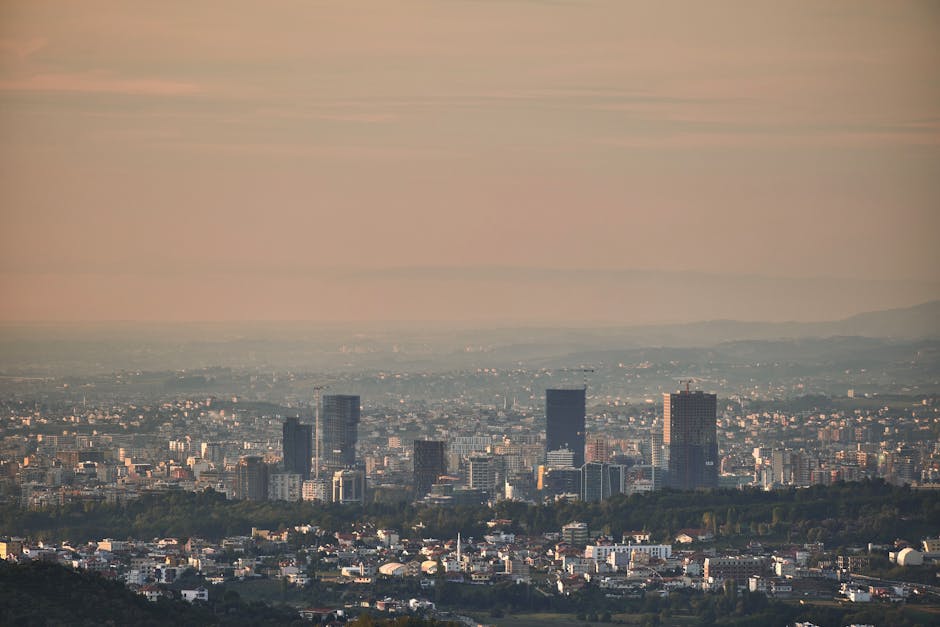
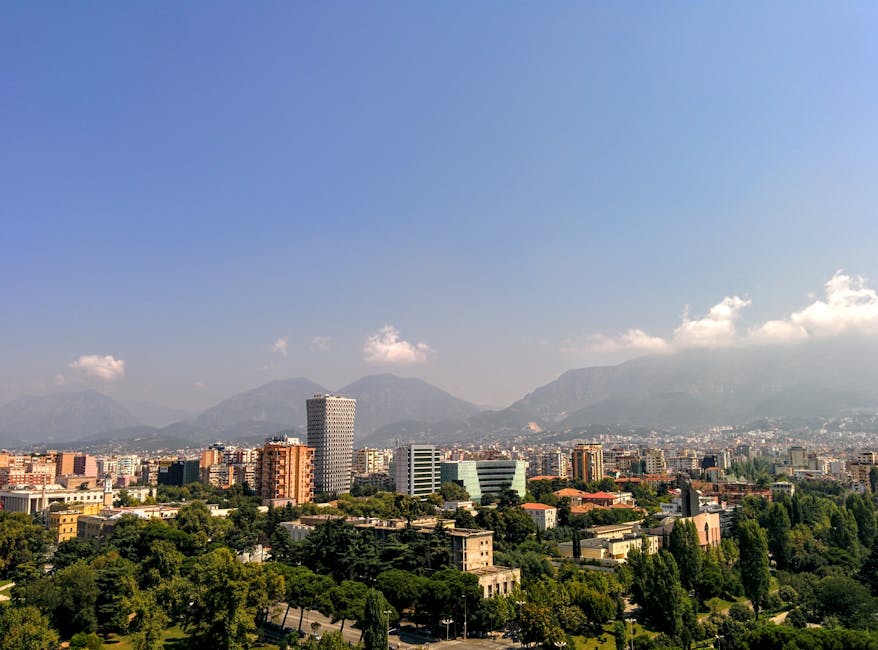
Heading to Tirana, Albania’s energetic capital, promises lots of discovery — bustling markets, modern museums and nearby mountains for hiking. But like any international trip, taking care of your health before you leave will keep you safer and more comfortable. This article is a practical, comprehensive guide covering recommended vaccines, hygiene precautions, medical services available in Tirana and the steps to take before you travel. It’s aimed at independent travelers, families, business visitors and anyone planning a longer stay.
Before diving into the details, keep two key points in mind. First: local public health and epidemiology can change; always check official guidance (health ministries, vaccination centers) 4–6 weeks before departure. Second: some vaccines need several weeks to become effective (multiple doses or boosters), so schedule appointments well ahead of time. This guide covers commonly recommended vaccines for Albania (including Tirana), traveler-specific vaccines, mosquito-borne disease prevention, food and water safety, and practical info on finding reliable clinics, pharmacies and labs in the city.
You’ll find exact addresses for medical centers and pharmacies in Tirana, indicative prices in euros for vaccines and consultations, opening hours and practical aftercare tips (what documents to bring, vaccine storage, international certificates). I also include local recommendations — how to handle gastroenteritis in town, where to go in an emergency and how to arrange travel health insurance. The addresses and hours given are reference points: double-check contact details online or by phone before you go.
This guide does not replace personalized medical advice; consult your GP or an international vaccination center for a plan tailored to your health, medical history and length of stay. The goal here is to give you a solid, actionable prep so your time in Tirana is relaxed, letting you enjoy Albania’s culture, cuisine and scenery.
1) Core vaccinations recommended before traveling to Tirana
Before any trip to Tirana, make sure routine vaccinations are up to date. These protect you from both local and global risks. Below are the most important ones, with indicative prices, expected duration of protection and practical recommendations.
Routine vaccines (update if needed)
- Diphtheria–Tetanus–Pertussis (DTaP / Tdap): check that your booster was given within the last 10 years. Indicative price at a private clinic: around €30–€50 including consultation and injection. Protection matters for all adults too.
- Measles–Mumps–Rubella (MMR): two childhood doses or proof of positive serology. If needed, a catch-up dose can cost €30–€60.
- Polio: usually covered in childhood vaccine records; if a booster is required, expect €25–€45.
In Tirana these diseases are uncommon thanks to vaccination programs, but a booster reduces risk in crowded urban settings.
Vaccines specifically recommended for Albania / Tirana
- Hepatitis A: recommended for most travelers, since transmission can occur via contaminated food and water. Single dose €45–€70. Protection begins about 2–4 weeks after vaccination; one year of coverage after the first dose, with a later booster for long-term protection.
- Hepatitis B: recommended if you expect medical procedures, intimate contact, tattoos, or a long stay. Standard 3-dose series; total cost roughly €80–€150 depending on the clinic.
- Typhoid: advised if you’ll be eating outside tourist areas frequently. Oral or injectable options; indicative price €30–€55.
- Rabies: consider if you plan outdoor activities (hiking in rural areas, potential contact with stray animals). Pre-exposure series: 2–3 injections; cost €70–€150.
Most of these vaccines are available at international vaccination centers and some private clinics in Tirana. If you’re short on time before departure, talk to your healthcare provider about prioritizing which vaccines to get first.
2) Vaccination centers, clinics and pharmacies in Tirana (addresses, hours, prices)
Below is a selection of reliable places in Tirana where you can get vaccines, consultations and prevention advice. I list exact addresses, typical opening hours and price ranges. Costs often include consultation and the vaccine; confirm before you go.
Recommended clinics and vaccination centers
- International Medical Center Tirana (IMC Tirana)
Address: Rruga Sami Frashëri 64, 1001 Tiranë, Albania.
Hours: Monday–Friday 08:00–20:00, Saturday 09:00–14:00.
Services: travel consultations, vaccinations (Hep A/B, typhoid, rabies, MMR), blood tests.
Indicative prices: initial consultation €30, Hepatitis A vaccine €55, vaccination card issued on site.
Tip: call ahead to ensure availability of less common vaccines. - Poliklinika Kardioluk (Medical Polyclinic Kardioluk)
Address: Rruga Ismail Qemali 21, 1001 Tiranë, Albania (near Sheshi Skënderbej).
Hours: Monday–Saturday 08:00–18:00.
Services: vaccinations, pediatrics, minor emergency care, pre-travel exams.
Indicative prices: typhoid vaccine €35, rabies pre-exposure series €85 for the initial series. - Qendra Shëndetësore Nr. 3 (Primary Health Care Center No.3)
Address: Rruga e Kavajës 40, 1001 Tiranë, Albania.
Hours: Monday–Friday 08:00–16:00 (public services).
Services: routine vaccinations, public health advice. Public fees: flat consultation fee €5–€10 for some services (local rates).
Useful pharmacies and laboratories
- Farmacia 10
Address: Rruga Pjetër Bogdani 18, 1001 Tiranë, Albania (next to Qendra Tregtare Toptani).
Hours: 07:30–22:00 every day.
Services: no vaccines, but supplies for aftercare (ice packs, dressings), anti-diarrheal meds, antimalarials on prescription. Prices: anti-diarrheal tablets €2–€6. - Laboratori BioLab Tirana
Address: Rruga Mihal Duri 15, 1010 Tiranë, Albania.
Hours: Monday–Friday 07:30–15:30.
Services: serology tests (hepatitis, TORCH), results in 24–48 h. Hepatitis serology price €20–€40.
Practical tip: note down addresses and phone numbers before you travel. Private clinics often provide services in English and can issue international vaccination certificates (e.g. yellow fever card if ever required).
3) Preventing illnesses from water, food and mosquitoes
Beyond vaccines, everyday prevention cuts your risk of getting sick. Tirana is a large, modern city, but simple food and pest precautions still apply. Here are practical, locally relevant recommendations.
Food and water safety
- Drink bottled water: local brands are available in supermarkets (e.g. « Rogani » or « Pine Water »). Price for 0.5 L ≈ €0.30–€0.70. Avoid ice unless you know the source.
- Prefer well-rated restaurants: try reputable spots like Restaurant Oda, Rruga Abdyl Frashëri 58, 1001 Tiranë. Hours: 11:00–23:00. Average main course price: €8–€15. Traditional kitchens usually cook thoroughly, which lowers risk.
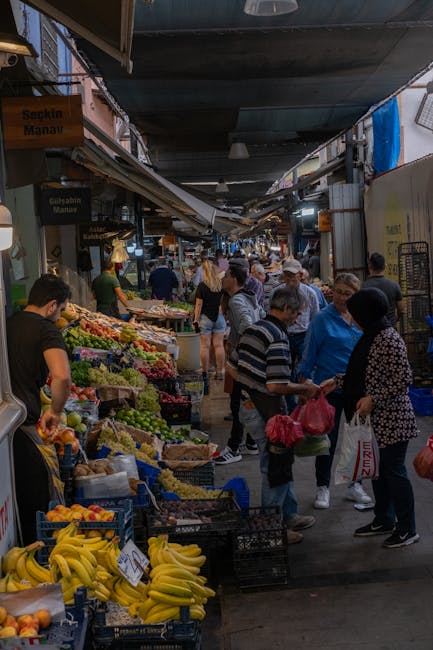
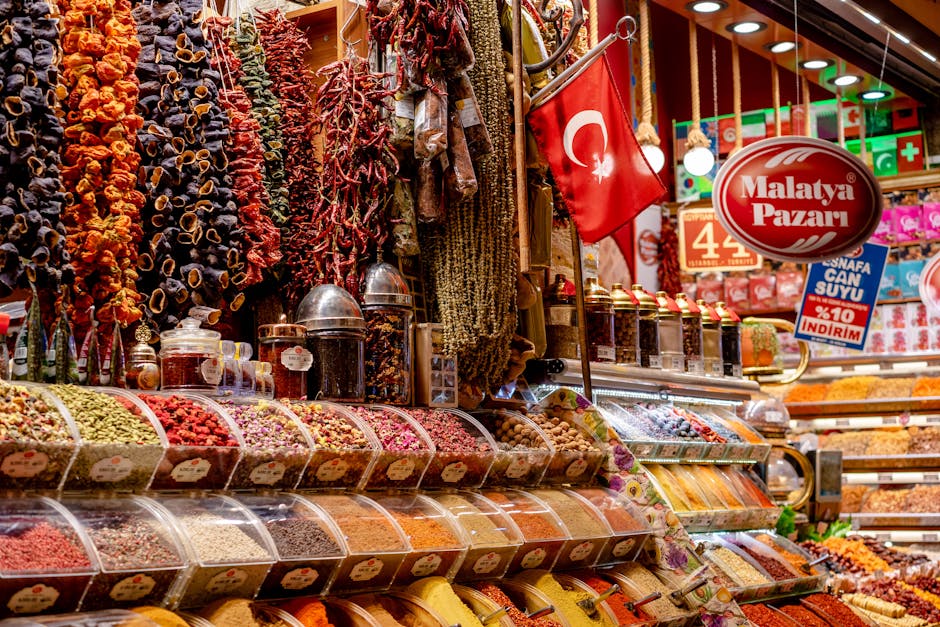
- Markets: fresh produce at the New Bazaar (Pazari i Ri), Rruga Kavajës 2, is excellent, but eat fruits you can peel and avoid unpasteurized dairy. Market hours: 07:00–17:00.
Mosquito protection
Tirana isn’t tropical, but mosquito bites can happen, especially in the evening and near water. To reduce the chance of mosquito-borne infections (e.g. West Nile virus, rare but possible), follow these tips:
- Use repellents containing DEET (20–30%) or picaridin; typical pharmacy price: €5–€12 depending on size.
- Wear long sleeves and pants in the evening and use bed nets when staying in rural areas or accommodations without air-conditioning.
- Avoid marshy areas at dusk; stick to well-lit urban routes.

Pack a travel health kit
Include: antiseptic, adhesive dressings, fever reducers (paracetamol), anti-diarrheal (loperamide), oral rehydration salts, insect repellent, sunscreen, and a small prescription antibiotic if your doctor recommends one (e.g. for traveler’s diarrhea). Estimated cost for a complete kit: €20–€50 depending on what you buy at the pharmacy.
4) Health insurance, practical steps and what to do in an emergency in Tirana
Good travel health insurance and proper paperwork are as important as vaccines. Here are practical steps, emergency numbers and tips for getting medical help locally.
Travel health insurance and paperwork
- Buy insurance that covers medical costs, repatriation and liability. Compare plans: average price for a short trip (1–2 weeks) ≈ €15–€60 depending on coverage and age.
- Carry paper and digital copies of your vaccination records, insurance policies and emergency contacts. Note your GP’s details and the address of your embassy or consulate.
- European Health Insurance Card (EHIC): not enough for private care, but useful if you’re an EU citizen using public healthcare. Check conditions based on your home country.

Emergency numbers and centers in Tirana
- Medical emergencies (ambulance): 127 (local ambulance number). Always confirm current local numbers.
- Qendra Spitalore Universitare « Nënë Tereza » (Mother Teresa University Hospital): Rruga e Elbasanit 12, 1010 Tiranë. 24-hour emergency service. Address for taxi or GPS: Rruga e Elbasanit 12. (Public hospital; wait times vary).
Tip: for urgent but non-life-threatening care, a private clinic is usually faster — transfer to a public hospital if needed. - Police / general emergency: 112 (European emergency number).
If hospitalized, most private hospitals accept pre-authorization from your insurer if they are contacted quickly. Keep all receipts and medical reports for your insurance claim.
5) Practical local tips after vaccination and advice for a stress-free stay
Getting vaccinated is the first step — how you manage the hours and days after matters too. Here are pragmatic local tips for handling post-vaccine reactions, organizing visits and respecting local rules.
After vaccination — monitoring and paperwork
- Stay 15–30 minutes at the clinic after an injection for observation of any immediate reactions (common practice at professional centers).
- Common side effects: local pain, redness, mild fever. Treat with paracetamol, local ice and rest. If fever > 39 °C or severe symptoms occur, contact the clinic where you were vaccinated.
- Keep your vaccination certificate (digital or paper). Some travelers may need proof of yellow fever vaccination — not required to enter Albania unless you’re arriving from a risk country.
Local living tips in Tirana
– Transport: official taxis and local ride apps are common; a central trip costs roughly €1.50–€5. There’s no metro; buses cover the city.
– Language: many doctors and private clinic staff speak English; learn a few Albanian phrases for shops (thank you = « faleminderit »).
– Safety: Tirana is generally safe, but watch out for pickpockets in tourist areas (Sheshi Skënderbej, New Bazaar). Carry copies of your documents and leave originals at your hotel when possible.
Vaccination and children — specific points
For families, a few extra precautions apply: check the pediatric vaccination schedule, correct dosages and logistics (series timing). Private pediatric clinics often offer consultations in English and child-friendly waiting rooms. Example: Poliklinika e Fëmijëve Tirana, Rruga Myslym Shyri 9, open 08:00–18:00, pediatric consult ≈ €25. Bring a translated health book if needed.
Conclusion — Preparing your health for a successful trip to Tirana
Traveling to Tirana calls for thoughtful health preparation: check and update routine vaccines, consider destination-specific shots (Hep A, Hep B, typhoid, rabies depending on your profile) and organize comprehensive travel insurance. Schedule appointments several weeks before departure when possible, as some vaccines require a multi-dose schedule. Private clinics like International Medical Center Tirana (Rruga Sami Frashëri 64) and Poliklinika Kardioluk (Rruga Ismail Qemali 21) are convenient entry points for English-speaking services, international certificates and quick treatment. Pharmacies like Farmacia 10 (Rruga Pjetër Bogdani 18) and labs such as BioLab (Rruga Mihal Duri 15) make it easy to access medicines and tests when needed.
Beyond injections, daily precautions — bottled water, choosing reliable restaurants (Restaurant Oda, Rruga Abdyl Frashëri 58), mosquito protection — will significantly lower your risk. Pack a first-aid kit, note emergency numbers (127 for ambulance, 112 for emergencies), keep vaccination certificates handy and inform your insurer and family of your contact details. For families, schedule pediatric appointments and check school requirements if you’ll be staying long-term.
Finally, stay proactive: see your doctor 4–6 weeks before leaving, keep health documents accessible and monitor local health updates. With calm, thorough preparation, Tirana delivers a rich and safe cultural experience — colorful markets, contemporary museums and mountain excursions. Enjoy the city, but do it safely.