





Introduction — Why explore Tirana on foot and how this guide can help
Tirana, Albania’s lively capital, is a city that truly reveals itself when you walk it. From redesigned public squares and colorful facades to food markets, leafy parks and quirky memorials, every street tells part of the country’s recent and distant history. Walking lets you pick up subtler details of urban change: the close proximity of socialist-era apartment blocks to today’s trendy cafés, hidden murals, simit kiosks and craft shops you’d miss by car. This guide is made for travelers who want to explore Tirana’s best neighborhoods on foot, combining immersive descriptions, practical addresses, opening hours, prices in euros and local tips to make each route as smooth as possible.
You’ll find five essential walking areas here: the historic center and Skanderbeg Square, Blloku (the former party elite district), the Pazari i Ri market and arts quarter, the Grand Park (Parku i Madh) and the Dajti cable car area (for higher-altitude walks). For each zone I lay out a typical walking route, the must-see sights with exact addresses, entry fees or service prices in euros, usual opening times and practical advice (best moments to visit, safety, dining options, rainy-day alternatives). The information is intended to be immediately usable: follow the addresses and walking times to plan a half-day or full-day discovery without a car.
This guide also includes transport references (bus stations, stops, taxi ranks, access to the Dajti Ekspres) so you can mix walking and public transport when needed. For visitors wanting a blend of history and relaxation, the museum, mosque, market and green-space notes will help you tailor your visit to your interests. Finally, local tips — where to grab a great coffee, how to avoid peak crowds, typical taxi fares and payment options — will help you travel with confidence. Pack comfortable shoes: Tirana is best appreciated at walking pace. 
1. Skanderbeg Square and the historic center: a pedestrian stroll between monuments and cafés
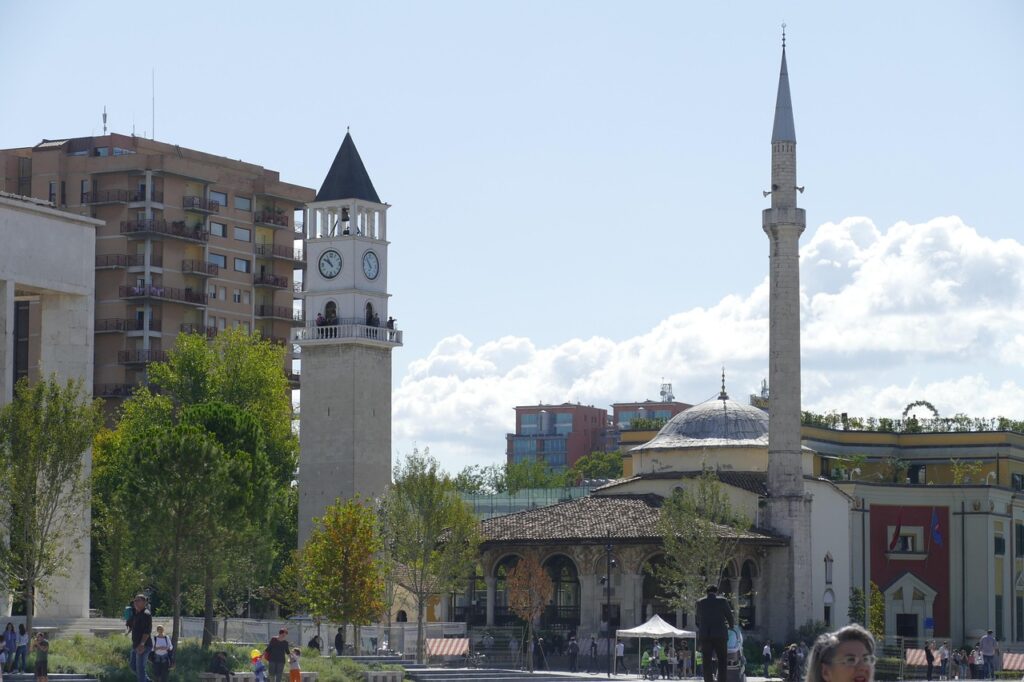
Skanderbeg Square (Sheshi Skënderbej, Tirana 1001, Albania) is the nerve center of Tirana and the perfect starting point for a walking tour. The large pedestrian esplanade, flanked by national institutions, museums and cafés, lets you cover most major attractions on foot in one or two hours, or extend to a half-day if you spend time in museums.
Typical walking route: start at the equestrian statue of Skanderbeg in Skanderbeg Square, then head to the National Historical Museum at Rruga Dëshmorët e Kombit, Tirana 1001. The museum is usually open from 09:00 to 17:00 (closed on some public holidays) and the entrance fee is around €2.00 for adults (indicative). The large mosaic on the facade is a great photo landmark. After the visit, walk two minutes to the Et’hem Bey Mosque at Rruga Murat Toptani, Sheshi Skënderbej, Tirana 1001, a 19th-century mosque known for its interior frescoes. Entry is free but respectful dress is required: generally open 07:30–19:00; plan to cover shoulders and legs.
Next to it stands the Clock Tower (Kulla e Sahatit), accessible from the same square. You can climb the small staircase for a view over the square; admission is often free or a small cash donation is appreciated. Continue to the Palace of Culture (Rruga Abdi Toptani) and take in the administrative buildings and recently refreshed colorful facades — part of the city’s recent urban regeneration.
For a coffee or lunch, choose from the many spots around the square: for example, Bar Restaurant Komiteti (Rruga Pjeter Bogdani 49, Tirana 1001) serves traditional Albanian food in a retro setting; dishes run roughly €6–12 and it’s open 10:00–23:00. If you prefer something more modern, Folie Terrace & Lounge (Bulevardi Dëshmorët e Kombit 9) offers coffee and cocktails — drinks €2–8 and mains €8–18.
Practical tips: avoid the square early in the evening during concerts or public events (they draw large crowds). There are ATMs nearby; still, carry some euros in cash for small purchases and for contributions at the mosque if needed. Taxis from Skanderbeg Square to Blloku usually cost €2–4 during the day — haggle or ask the driver to turn the meter on. 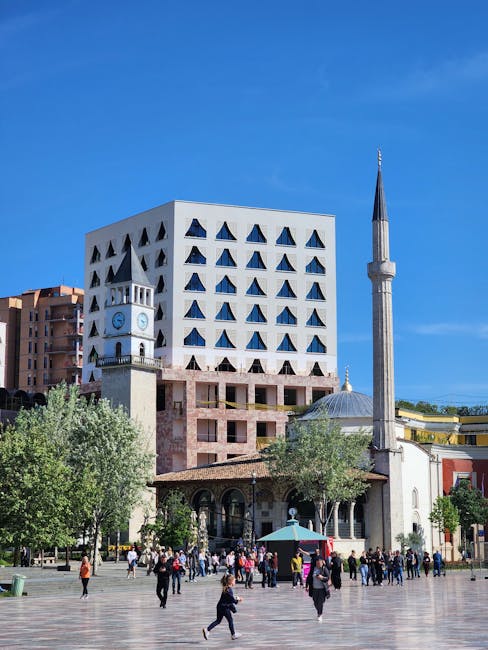
2. Blloku — from restricted leaders’ quarter to the city’s trendy hub
The Blloku area (commonly just called « Blloku ») used to be reserved for communist party officials and remained off-limits to the general public until the 1990s. Today it’s Tirana’s nightlife and bohemian heart: discreet pedestrian streets, chic cafés, chef-driven restaurants, cocktail bars and small designer shops. The most popular part is around Rruga Ismail Qemali and Rruga Pjetër Bogdani, with side streets off Rruga Sami Frashëri.
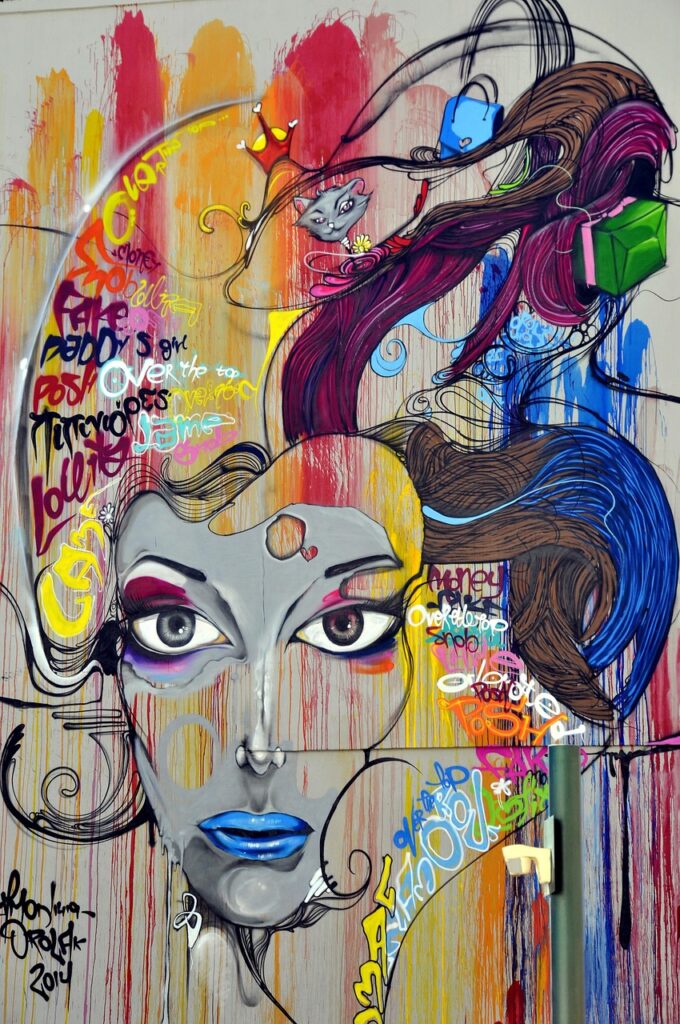
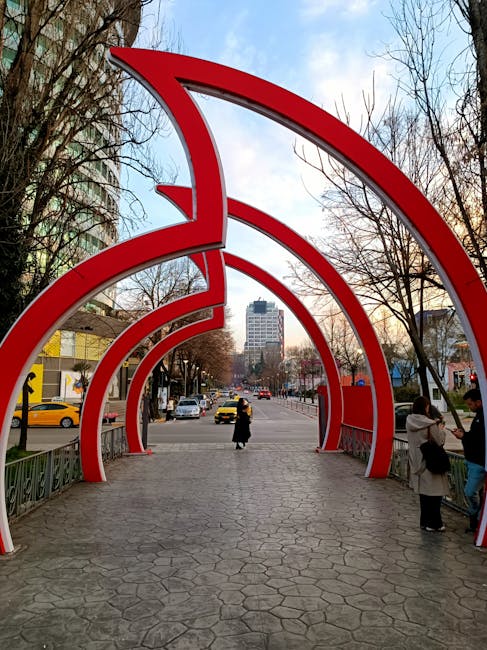
Typical walking route (from Skanderbeg Square): it’s a 15–20 minute walk (around 1.4 km) southwest to the northern entrance of Blloku. The walk highlights the architectural transition: renovated apartment blocks, contemporary murals and small public gardens. In the heart of the neighborhood, stop at the Monument of Independent Albania (near Rruga Pjeter Bogdani) and look for landmark venues like Radio Bar (Rruga Pjeter Bogdani 39) for a coffee (€2–4) or a cocktail (€6–10).
Specific points of interest:
- House of Leaves (Museum of Secret Surveillance) — address: Rruga Sami Frashëri 2, Tirana 1001. Opening hours: 10:00–18:00. Price: around €8.00 (indicative). Housed in a repurposed building, this museum documents state surveillance methods from the communist era — essential to understand the neighborhood’s political past.
- Bar Restaurant Artigiano (Rruga Ismail Qemali 23) — mains €6–15, open 09:00–23:00. Great for a lunch break or coffee.
- The side streets are full of galleries and designer boutiques — expect prices from about €5 for a small souvenir up to €100+ for a designer piece.
Vibe and tips: Blloku is especially pleasant in late afternoon and evening. Sidewalks are well maintained and walking is safe; still, avoid very wet areas at night if you’re alone. Most bars and restaurants accept cards and cash, but small stalls may prefer cash. If you want a guided experience, several themed walking tours (food, street art, history) depart from Blloku — budget roughly €10–20 per person for 2–3 hours. 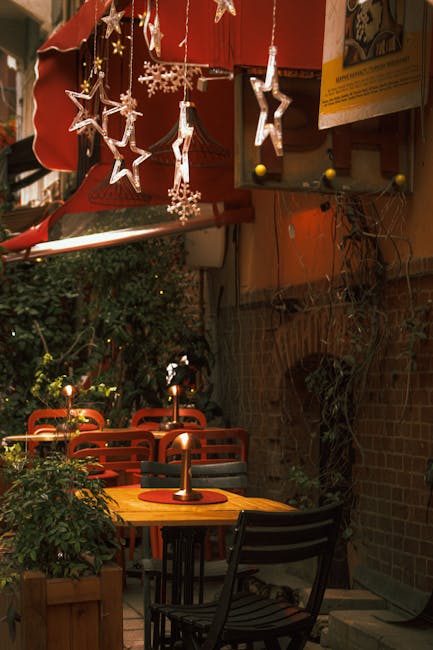
3. Pazari i Ri and the arts quarter: food market, craft shops and riverside strolls
Pazari i Ri (New Bazaar) is a recently renovated market northeast of Skanderbeg Square, centered around Rruga Mujo Ulqinaku. It’s the ideal walking stop for fresh produce, local street food, craft shops and small galleries. The market is compact and easy to explore on foot, and it pairs nicely with a stroll along the Lana river and the nearby artistic lanes.
Opening hours and vibe: the market is busiest in the morning (07:00–13:00) when stalls offer fruit, vegetables, fish and local products. Many small cafés and snack stands stay open until early evening (usually until about 20:00). Typical prices at the market: a prepared vegetable salad €1.50–3.00, coffee €0.70–1.50, a plate of mezzes €4–8 depending on the venue.
Typical walking route (from Skanderbeg Square): walk 10–15 minutes (about 800–1,000 m) east following Rruga e Kavajës and crossing the street. You’ll reach the market’s main entrance at Pazari i Ri Square. Wander the covered aisles, sample local products (cheeses, olives, pita bread) and enjoy the outdoor terraces. Then continue on foot toward the Lana river to spot contemporary murals and small galleries on Rruga Pjetër Bogdani and Rruga Myslym Shyri.
Key points:
- Pazari i Ri Market — address: Rruga Mujo Ulqinaku, Tirana 1001. Open 07:00–20:00 depending on vendors. Atmosphere: authentic but visitor-friendly, and less crowded than many European markets.
- New Bazaar Restaurants — several places around the square; traditional dishes €3–12.
- Rruga e Kavajës pedestrian stretch — a pleasant walk past small shops and cafés.
Local tips: ask permission before photographing vendors who are close to their stalls. When buying fresh food, check freshness and ask for a taste when possible. If you’re on a tight schedule, do the market in the morning; later in the day the area shifts a bit toward dining and small bars. In rainy weather many stalls are covered so you can continue exploring without getting soaked. You can also reach Pazari i Ri from Skanderbeg Square by local bus (lines 3 or 6 depending on the stop); a bus ticket typically costs €0.30–0.50 (check current fares). 
4. Tirana Grand Park (Parku i Madh) and the artificial lake: a large green space to explore on foot
Tirana Grand Park (Parku i Madh i Tiranës) is the city’s main green lung, centered on the artificial lake known as Liqeni i Tiranës. Main access: Bulevardi Gjergj Fishta, Tirana 1010. This park is ideal for long walks, jogging, cycling and taking a nature break. Locals come here to relax, exercise or enjoy lakeside cafés.
Hours and activities: much of the park is open 24/7 (public areas), but facilities and cafés have varied opening times, typically 08:00–22:00. Small boat or pedal boat rentals on the lake cost about €3–6 for 30–60 minutes. There are cafés and restaurants around the lake; for example Liqeni Cafe (Bulevardi Gjergj Fishta, lakeside) where a coffee costs €1.20–3.00 and a meal €5–12.
Typical walking route (from Skanderbeg Square): it’s roughly a 25–35 minute walk (2–2.5 km), depending on your starting point and route. Take Bulevardi Dëshmorët e Kombit southeast then turn onto Bulevardi Gjergj Fishta to reach the main park entrance. A loop around the lake is about 3–4 km, and you can combine this with a visit to Tirana Zoo (nearby) or a stop at Parku Rinia on the way back to the center.
Specific highlights:
- Tall trees promenade — a tree-lined avenue perfect for hot afternoons and photography.
- Lake promenade and pedal boats — boat rentals on the lake, €3–6 per session, usually open 09:00–18:00 in season.
- Local cafés and picnic spots — shaded benches and picnic areas; expect €4–12 for a light meal outdoors.
Practical advice: bring water in summer and wear comfortable shoes — some paths are sandy or gravelly. The park is generally safe, but keep your belongings with you as you would in any large urban space. For extended visits, concerts or sporting events sometimes take place lakeside — check with the local tourist office near the entrance. Buses from the city center can get you there (lines 7 or 10 depending on the stop); fares are modest (around €0.30–0.70). 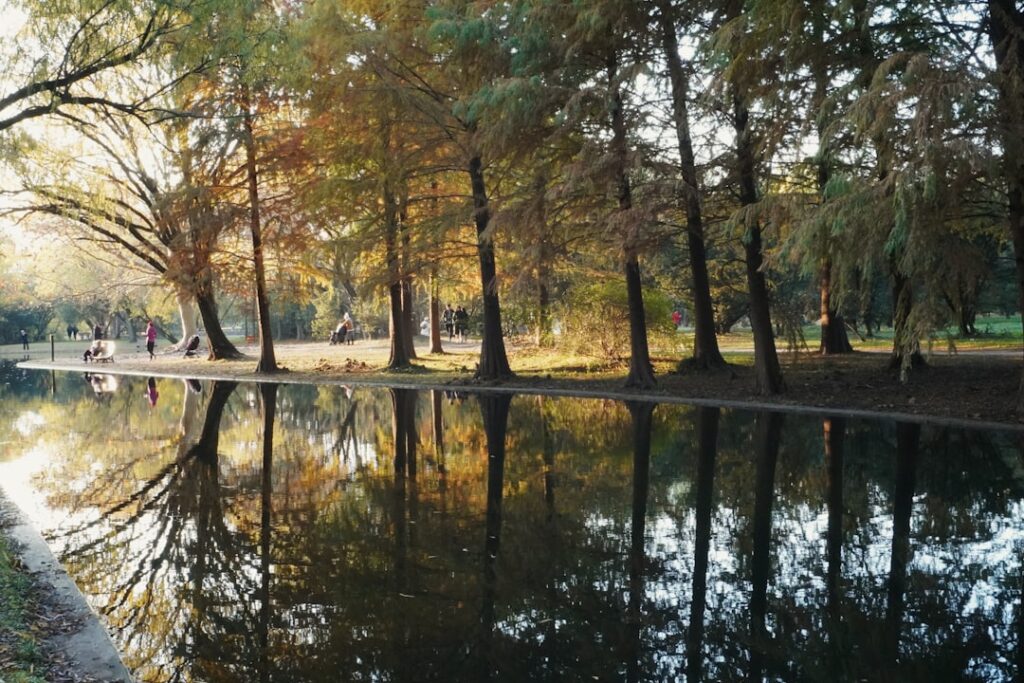
5. Dajti Ekspres and the Dajti plateau: high-altitude hikes and views reachable by cable car
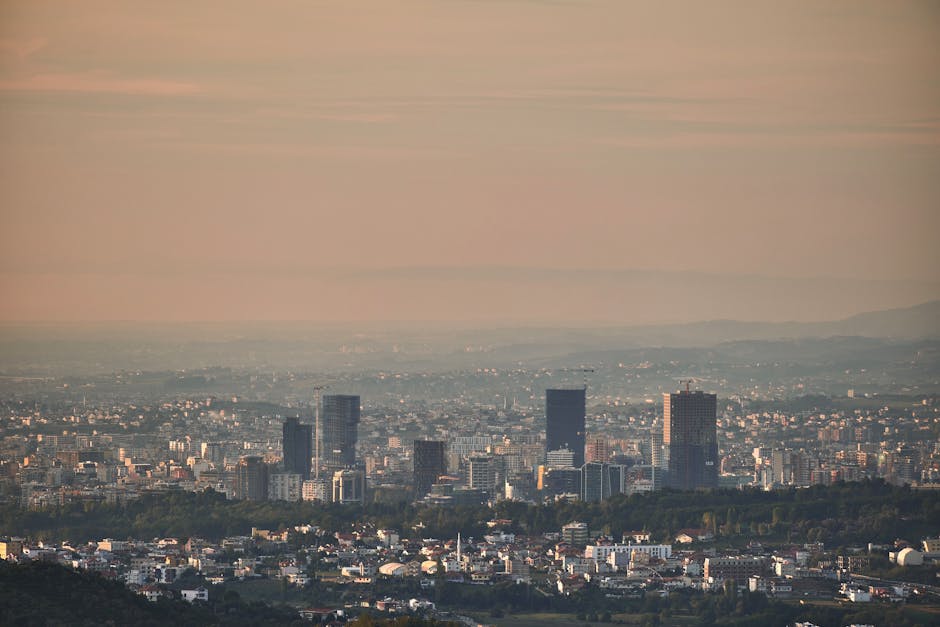
For a day trip out of the historic center while staying easily accessible from Tirana, the Dajti Ekspres cable car is a must. Departure point: Rruga e Dajtit, Tirana 1010 (lower station). The cable car climbs roughly 900 m up to the upper station, which offers panoramic views over the city and a network of trails for walks ranging from 30 minutes to several hours.
Hours and fares: Dajti Ekspres generally operates from 09:00 to 17:00 (seasonal variations apply). A round-trip ticket costs about €7.00 per adult (indicative). At the top you’ll find cafés, restaurants and marked trails. Dajti National Park is great for easy hikes: there’s a 45–90 minute panoramic loop accessible without special gear; for longer treks bring hiking shoes and water.
Typical route: take the cable car from the lower station — the ascent already offers spectacular city views. At the upper station, stroll to the main viewpoint to admire the city below, then follow the signs for « Hike Trails » for a 3–5 km loop. Notable stops include Restaurant Ballkoni Dajti (upper station), serving local and international dishes (€6–15) with a panoramic terrace perfect for lunch.
Safety and logistics tips: check the cable car’s status before leaving (closures possible in strong winds) and review seasonal timetables; in winter the station might close earlier. Bring a jacket: it’s cooler at altitude even in summer. Photographers should aim for early morning or late afternoon for soft light and fewer people. Taxis from the city center to the lower station typically cost €8–12 depending on distance and traffic; there are also local buses (roughly line 19) but frequency can vary.
If you prefer to hike up from the outskirts of Tirana, trails do connect to the Dajti area, but these routes are longer (2–3 hours) and require good fitness. For a mixed experience, order a picnic basket from the upper station restaurant (around €12–20) and enjoy a full day of walking and relaxation. 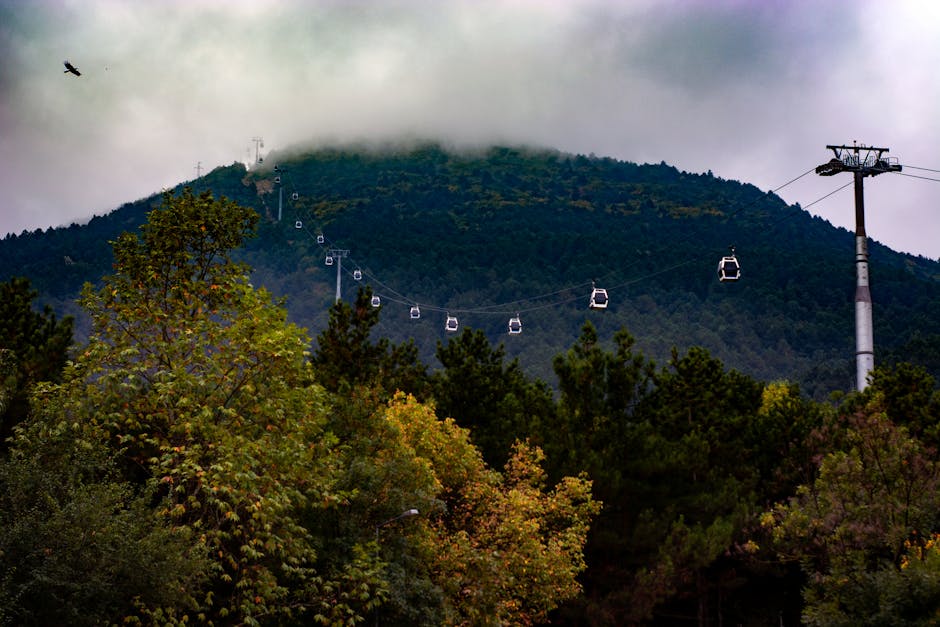
Conclusion — planning your walking routes in Tirana: final practical tips
In short, Tirana is wonderfully walkable. The historic center and Skanderbeg Square pack history and museums within easy walking distance; Blloku reveals the city’s contemporary and festive side; Pazari i Ri offers a sensory, culinary experience; the Grand Park and lake are perfect for relaxing, longer walks; and the cable car up to Dajti mixes panoramas with higher-altitude hiking. Each neighborhood has its own atmosphere, and walking lets you link these moods in a few hours or devote a full day to a deeper exploration of a single area.
A few final practical pointers:
- Shoes: wear comfortable footwear, especially if you plan to loop the lake or hike up to Dajti.
- Cash: carry a few euros for small purchases, markets and symbolic donations; most restaurants take cards but not all small stalls do.
- Opening times: religious sites (mosques) and some museums have specific hours — check before you go. Most museums open 09:00–17:00 and are closed one day a week.
- Safety: Tirana is generally safe for pedestrians; still, keep valuables secure and avoid very isolated streets at night.
- Combined transport: use local buses or taxis to save time between far-apart neighborhoods (typical taxi fares: €2–4 for short inner-city trips, €8–12 for peripheral journeys). Bus tickets usually cost about €0.30–0.70.
- Best time to visit: spring and early autumn offer pleasant temperatures and fewer crowds. In summer favor mornings and evenings for walks.
Finally, don’t hesitate to stop and chat with locals: Tirana’s café scene is welcoming and people are often happy to share tips (best pastries, hidden street-art lanes, upcoming events). This guide gives you a solid base to plan balanced, varied walking routes. Whether you love history, food, contemporary architecture or natural panoramas, Tirana delivers a full palette of walkable experiences. Enjoy your strolls and discover Albania’s capital at a relaxed, pedestrian pace.