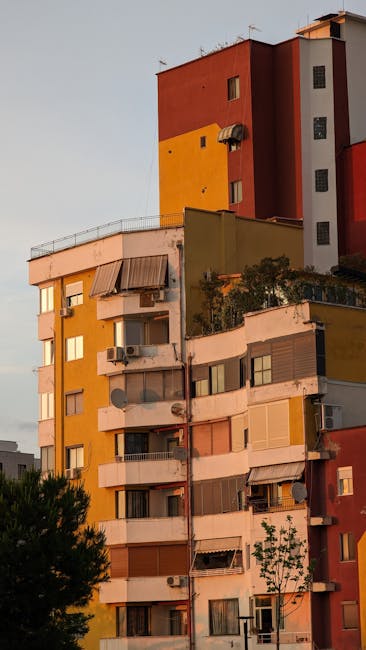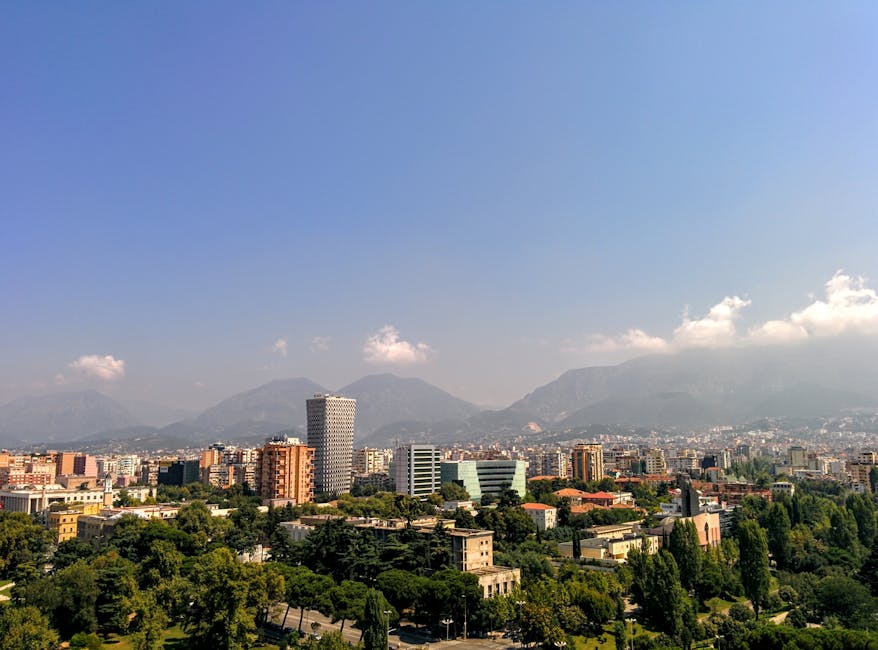






Introduction — Setting the scene and the choices from the center to the Blloku
Tirana, Albania’s capital, has undergone a dramatic urban and cultural makeover over the past two decades. Between wide renovated boulevards, colorful facades, popping cafés and revamped parks, the city now offers distinct micro-ambiences that suit very different ways of living or visiting. Anyone asking “Center or Blloku — which neighborhood should I choose in Tirana?” is really weighing atmosphere, accessibility and available services. This article breaks down the realities of several key areas — especially the historic center around Skanderbeg Square and the famous Blloku (once reserved for communist elites, now the hub of nightlife and trendy restaurants) — so you can make an informed choice based on what matters to you.
We’ll dig into practical details: exact addresses of landmark sites (museums, parks, restaurants), opening hours, price ranges in euros (transport, entry fees, dining), immersive street-atmosphere descriptions, and hands-on local tips (safety, nighttime noise, transport options, everyday shopping). The information is meant to be directly useful for planning a visit or hunting for a place to stay. For example, if you want to be where the action is, close to cultural institutions and government offices, the city center is a natural choice; if you prefer a neighborhood that comes alive at night with bars and terraces rather than green spaces, Blloku will suit you better.
Beyond those two poles, we’ll also cover nearby alternatives (Pazari i Ri — the New Bazaar — and residential areas like Komuna e Parisit) that could fit travelers with specific needs: families, remote workers, young professionals or seniors. Each section includes concrete examples: a museum with its exact address and a ballpark admission fee, a café with opening hours and an estimated price for a coffee and a dish, a park ideal for a morning walk, and practical tips (taxis, daily budget, peak times).
To bring the guide to life, we’ve suggested images (photo ideas) for each urban scene described — squares, building fronts, colorful markets, lively terraces — to help you visualize without leaving the page. These photos are meant to illustrate the atmospheres and guide your final decision: where to stay, where to eat, where to stroll? Whether you’re on a short trip or planning a move, this detailed but general guide will help you weigh the pros and cons of the center and the Blloku, with the practical info you’ll need.
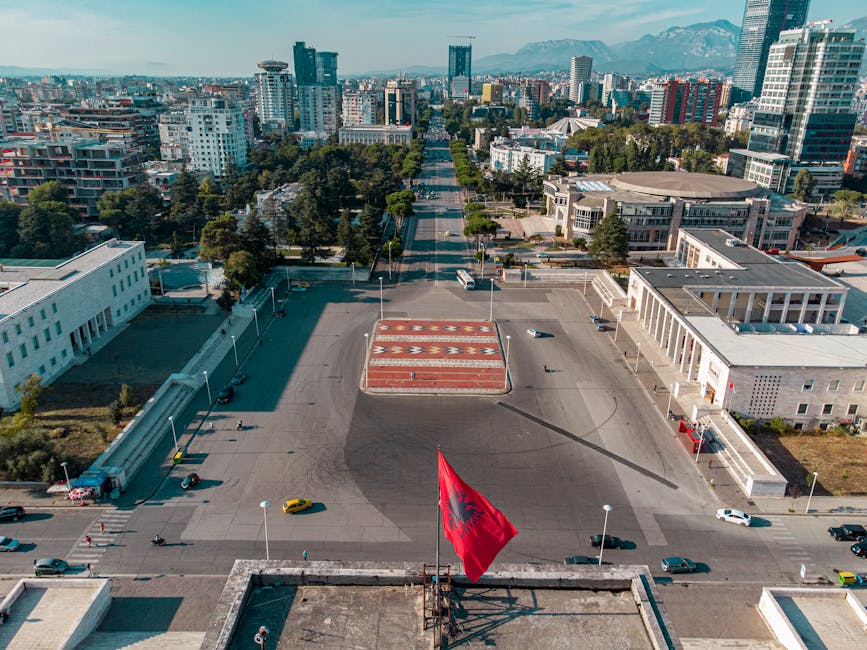
The city center (Sheshi Skënderbej and surroundings): institutions, accessibility and daytime life
Tirana’s center revolves around Sheshi Skënderbej (Skanderbeg Square), official address Sheshi Skënderbej, Tirana 1001, Albania. This is where the main institutional buildings sit, including Skanderbeg Square itself, the National Historical Museum and several cultural venues. The museum, National Historical Museum, is located at Sheshi Skënderbej 1, Tirana 1001. Typical opening hours: 09:00–17:00 (closed on some national holidays); approximate entry fee: around €2 per person for the permanent exhibition (prices can vary slightly). The museum visit is immersive: national mosaics, displays covering Albanian history from the Middle Ages to the communist era, and an imposing façade overlooking the square. It’s a great starting point to understand the city.
Around the square, pedestrian streets and renovated boulevards host government offices, banks and major hotels. A typical example is the Tirana International Hotel & Conference Centre, on Rruga Dëshmorët e Kombit, Tirana 1001 — a practical choice if you want full services, 24-hour reception and a business center (rates vary by season; a double room often ranges from €60–€120/night). The center suits travelers who prefer to be near main bus lines, embassies and administrative services. By day the vibe is busy: civil servants, students, tourists visiting museums and cafés serving traditional Turkish-style coffee.
For meals and coffee in the center, you’ll find two main types of spots: traditional cafés and international restaurants. For example, the café-bakery Komiteti Kafe Muzeum (Rruga Ibrahim Rugova 24) mixes historical décor with affordable menu options — coffee between €1–€2, breakfast plates between €3–€8. The center is also where you’ll find grocery stores, pharmacies and supermarkets; for a daily budget, plan roughly €10–€20 per person for food and transport if you eat at small local restaurants. Shops are typically open 08:00–20:00; restaurants from about 09:00 to 23:00.
Highlights of the center:
- Accessibility: close to museums, government offices, bus terminals and main bus stops.
- Services: banks, hospitals, businesses and international hotels within easy reach.
- Daytime vibe: streets are lively during the day, quieter at night (depending on the street).
Drawbacks:
- Administrative noise and traffic on major boulevards, fewer small intimate squares.
- Nightlife is limited compared with Blloku; many streets empty out after 22:00.
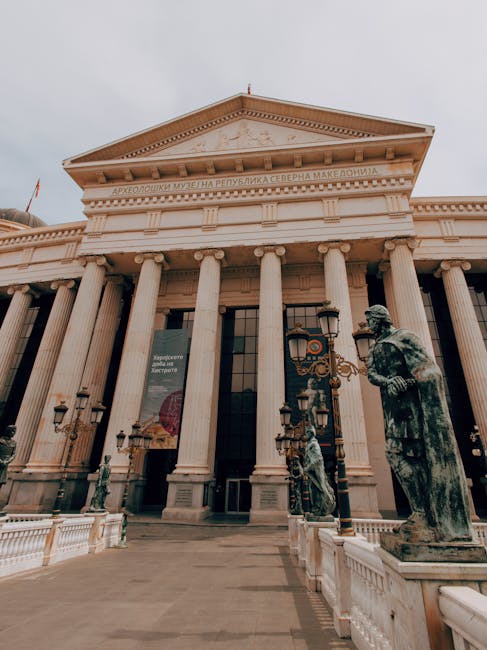
The Blloku: history, nightlife and trendy cafés (where it all happens after dark)
The Blloku (commonly called “Blloku”) is one of Tirana’s best-known neighborhoods. Historically it was the “ish-Blloku” — the residential enclave for communist party leaders — and has since transformed into the epicenter of nightlife and dining. The heart of Blloku sits around Rruga Mehmet Pashë Dibrës / Rruga Ismail Qemali and smaller lanes like Rruga Tefta Tashko-Koço. Practical addresses: the well-known bar-restaurant Mullixhiu Restaurant is at Rruga Raqi Qirinxhi 31, Tirana (check the exact location as similar addresses appear in the area). Typical opening hours for bars and restaurants: generally 10:00–02:00 and even until 04:00 on weekends.
Blloku’s vibe is lively, cosmopolitan and often noisy late into the night. You’ll find terraces, cocktail bars, clubs and many restaurants serving modern takes on Albanian cuisine or international menus. Indicative prices: cocktails around €6–€12, main courses €8–€20, desserts €3–€6. Overall prices are higher than in the strictly administrative center. For a full night out (cover charge, two drinks, main course), expect roughly €25–€45 per person.
Blloku is ideal for:
- Travelers who want to be at the heart of nightlife and modern dining scenes.
- Younger travelers, couples and groups of friends looking for late-night bars.
- People who enjoy animated pedestrian streets and culinary variety.
But it also has downsides: nighttime noise (residents can hear music until 03:00–04:00), sometimes crowded lanes and higher accommodation prices. Housing in Blloku tends to be modern, with many furnished short-term rentals and a few boutique hotels. For a taxi from Tirana’s international airport (Nënë Tereza International Airport, official address Rinas, Municipality of Mother Teresa), budget between €12–€20 depending on time of day; from the city center a taxi ride to Blloku is often €2–€5.
Pazari i Ri, nearby residential neighborhoods and quieter alternatives
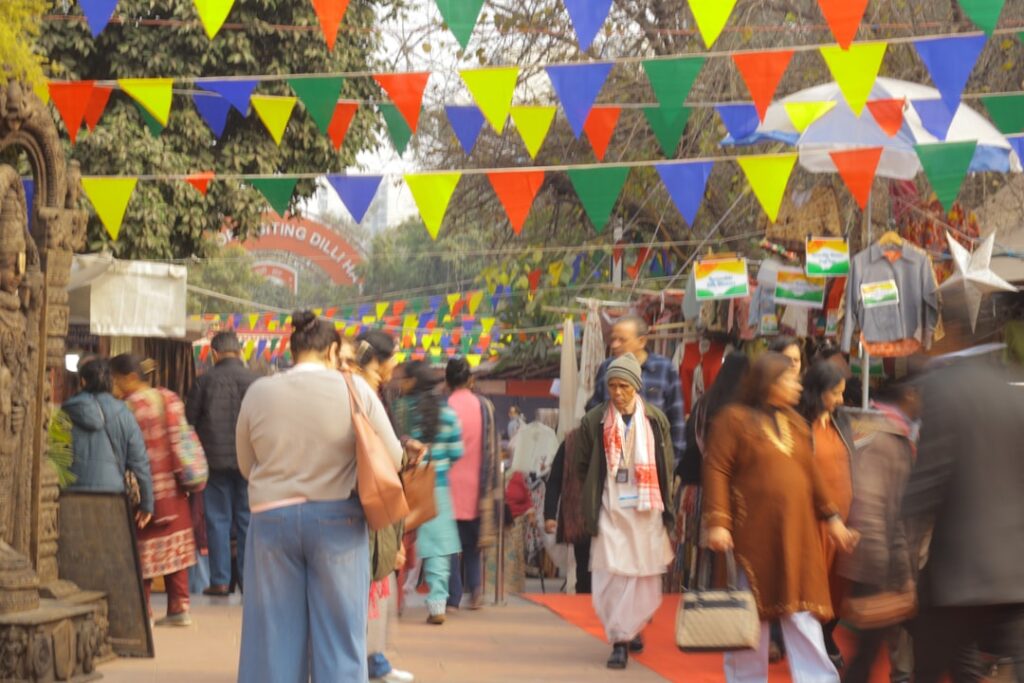
If you’re after a middle ground between accessibility and local atmosphere, the Pazari i Ri (New Bazaar) deserves a close look. Address: Pazari i Ri, Rruga e Barrikadave, Tirana 1001 (the market spreads across several streets and is easy to spot from Skanderbeg Square). Typical hours: the food market opens early, often from 07:00–08:00, and closes around 18:00–19:00; some cafés and restaurants stay open until 22:00. Pazari i Ri is a renovated space that mixes fruit-and-veg stalls, fishmongers, butchers, and several modern restaurants and cafés with colorful terraces.
Atmosphere: lively market in the morning — perfect for buying fresh produce, cheeses and olives — indicative prices: a kilo of tomatoes ~ €1–€1.50, artisan bread ~ €0.5–€1, a local meal at a market taverna ~ €4–€8. This neighborhood is popular with families and people seeking everyday convenience: local bakeries, a pharmacy, small schools and quiet cafés. Nearby is Rruga Murat Toptani, which links the market to the center, and there are many short-term rental options in the area.
Other residential areas to consider:
- Komuna e Parisit — east of the center, landmark address: Komuna e Parisit, Tirana. A modern, residential neighborhood with parks and new developments. Good for families and expats seeking larger apartments.
- Don Bosco — south of the center, a residential area that’s quieter at night.
- Parku i Madh (Grand Park) — for those who want to be close to a big green space: Parku i Madh, Rruga e Dajtit, Tirana. A major asset for runners and families; entry is free.
This type of location combines proximity to the center (5–15 minutes by taxi) with a more local atmosphere and generally more moderate prices than Blloku for dining and accommodation. If you work remotely, you’ll often find calm cafés with Wi‑Fi and occasional coworking spaces in these neighborhoods; expect a coffee + Wi‑Fi price between €1.50–€3.
Transport, safety, budget and local tips to pick your neighborhood
Choosing between the center and the Blloku (or a residential alternative) often comes down to practical criteria: daily commutes, nighttime noise, budget, medical services and social preferences. Here’s a detailed, practical summary to help you decide by profile.
Transport:
- Taxis: short urban rides cost between €2–€5. From Nënë Tereza Airport expect €12–€20 depending on time and traffic. Taxi apps (Bolt) work well in Tirana and provide transparent fares.
- Bus: municipal network, tickets around €0.4–€0.6 depending on the line; useful for regular economical travel.
- Walking: the center and Blloku are very walkable — most mentioned sites are 10–20 minutes from each other on foot.
Safety:
- Tirana is generally safe during the day. In Blloku, the heavy flow of people around bars means nightlife traffic is high — taking a taxi after 23:00 is common and recommended to avoid long walks.
- As everywhere, watch your belongings in crowded spots (markets, stations, tourist streets).
Approximate daily budget (per person):
- Breakfast and coffee at a local café: €1.5–€5.
- Lunch at a local bistro: €4–€12.
- Dinner in a Blloku restaurant: €10–€25.
- Museum entries: €1.5–€5 depending on the exhibition.
Practical local tips:
- Book accommodation in advance if you want to stay in Blloku on weekends (high demand, prices rise Friday–Sunday).
- If you need quiet to work, favor residential streets around Pazari i Ri or Komuna e Parisit over Blloku.
- For a first visit, staying in the center (Sheshi Skënderbej) offers a good compromise: you’re within walking distance of the museum, the market, and a 10–15 minute walk from Blloku for evenings out.
- Opening hours: most public offices open 08:00–16:00 on weekdays; shops 09:00–20:00; cafés/bars in Blloku until 02:00–04:00.
- For medical emergencies: Trauma Hospital – Emergency, reference address Rruga e Kavajës, Tirana, 24-hour service (check local contacts for ambulance transport).
Conclusion — Which neighborhood to choose? A practical, personalized recap
Choosing between the center (Sheshi Skënderbej) and Blloku mainly depends on your priorities: if you want to be close to institutions, museums and services, the center offers accessibility, relative nighttime calm and accommodation options across a wide price range. If your goal is to fully enjoy nightlife, trendy terraces and a young, lively vibe, Blloku is the better pick — provided you accept nighttime noise and generally higher prices for food and lodging.
For a short tourist stay (3–5 days), I often recommend staying in the center (Sheshi Skënderbej): you can visit the National Historical Museum (Sheshi Skënderbej 1, hours 09:00–17:00, entry ≈ €2), have lunch at Pazari i Ri (Rruga e Barrikadave), and walk to Blloku in 10–15 minutes for the evenings. For longer stays, family trips or work-related stays, neighborhoods around Pazari i Ri and Komuna e Parisit provide a better balance of local life, quiet and access to amenities.
In short:
- Pick the center if you want administrative proximity, relative nighttime calm and immediate tourist infrastructure.
- Pick Blloku if you’re aiming for nightlife, innovative restaurants and a social, buzzing atmosphere.
- Consider Pazari i Ri or Komuna e Parisit as the ideal compromise for families and medium-term stays.
Be sure to check opening hours and prices close to your travel dates — local businesses sometimes change times seasonally. Finally, use local apps like Bolt for taxis and consult official museum and hotel pages to confirm practical information. Enjoy your stay in Tirana: a city of contrasts where the historic center and the Blloku each offer a distinct but complementary take on a capital in full revival.