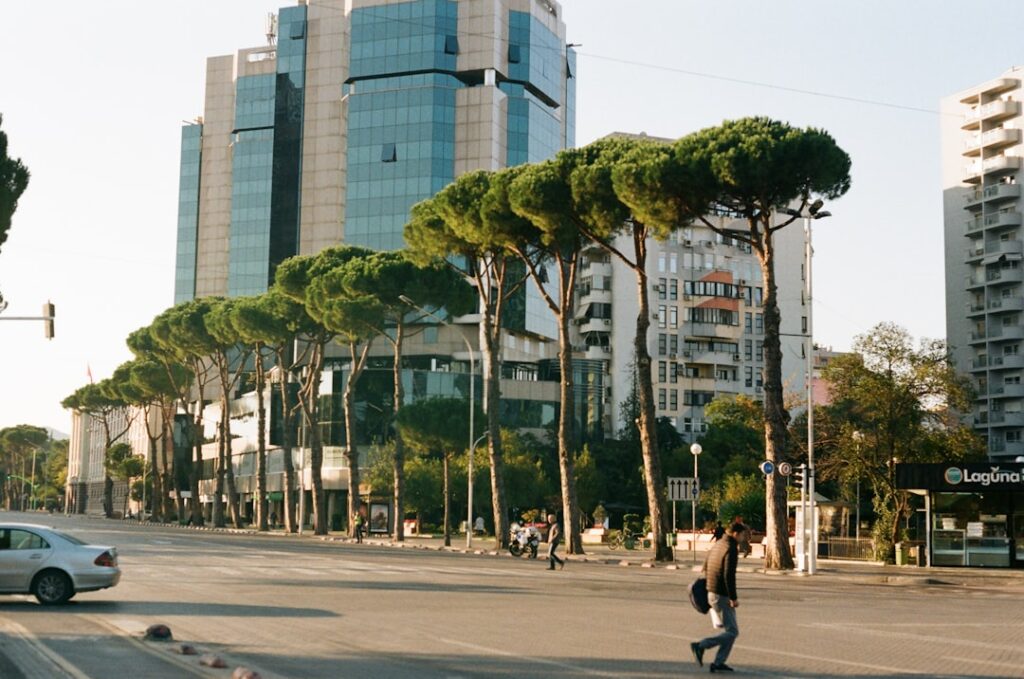






Introduction: Exploring Tirana without the Stress
Tirana, Albania’s lively capital, is a place where Ottoman history, post-socialist modernism and a buzzing cultural scene collide in a colorful urban landscape. Whether you’re here for a long stay or a quick long weekend, this guide is built to help you explore Tirana without stress, blending the best transport options (buses, taxis, walking) with recommended walking routes, exact addresses, opening hours and prices in euros. The goal is to make getting around efficient, safe and enjoyable while sharing local tips so you can make the most of every neighborhood.
The city’s compact centre is perfect for exploring on foot: major sights — Sheshi Skënderbej (Skanderbeg Square), the National History Museum (Muzeu Historik Kombëtar), Et’hem Bey Mosque (Xhamia e Et’hem Beut) and the Clock Tower (Kulla e Sahatit) — are all close together. That said, Tirana also has hilly areas (toward Mount Dajti) and outlying neighborhoods where buses and taxis become essential. Here you’ll learn how to mix these options to save time and money.
This guide includes practical details: exact addresses (for your GPS and apps), transport and museum prices in euros, typical opening hours, immersive descriptions of places and step-by-step walking routes. You’ll also find local tips — how to avoid rush hour, where to find reliable taxis, how to buy a bus ticket and alternatives for travelers with reduced mobility. To make the reading more visual, I’ve included illustrative images 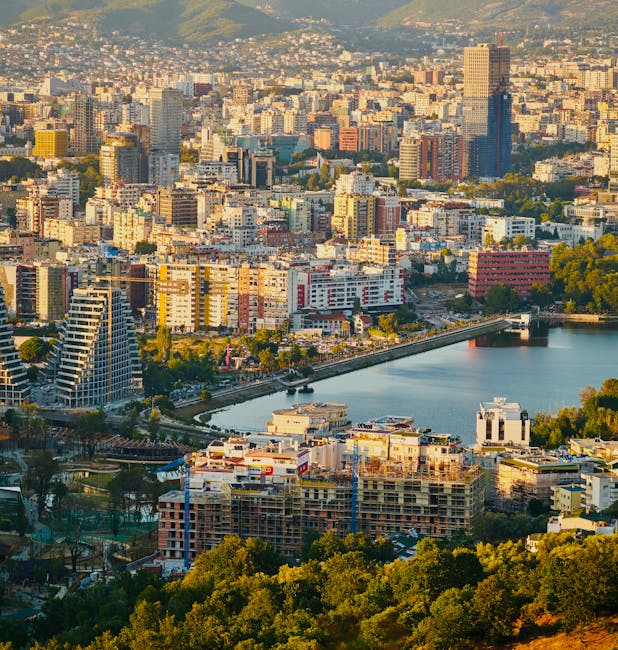 to help you picture the scenes described (colorful facades, busy terraces, city views).
Before you go: exchange a small amount of euros into lek (ALL) if you plan to buy small services that don’t take cards, but know that most taxis and many businesses accept euros. Download an offline maps app and the local transit app if possible. Local taxi numbers and main bus stops are listed below. Now, let’s get into the practical sections: how to use the public bus network, how taxis work, and three recommended walks to discover Tirana’s most interesting neighborhoods on foot.
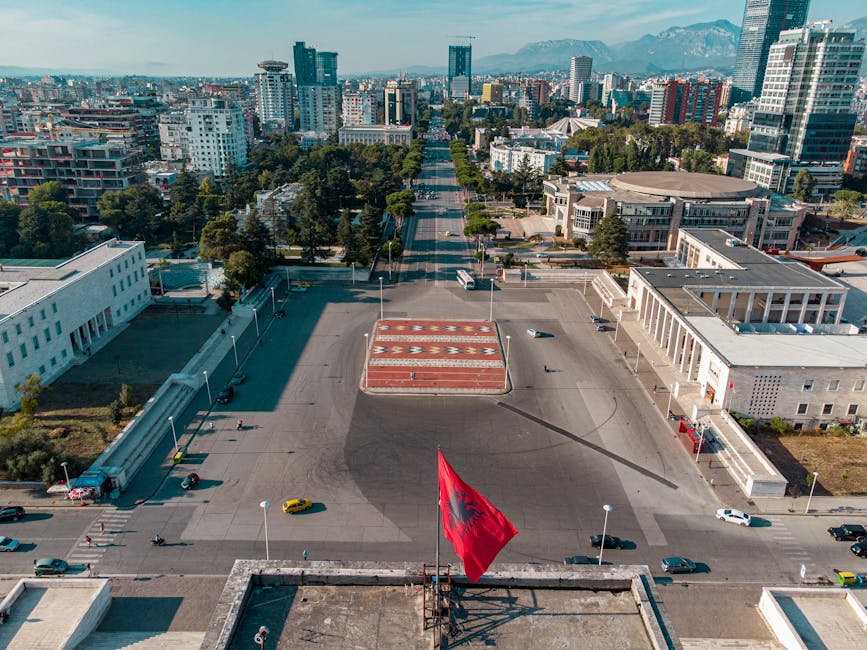
1) Getting around Tirana by bus: routes, fares, schedules and practical tips
Tirana’s bus network is the cheapest way to move around town and reach some of the more distant neighborhoods. City buses cover most areas visitors need: the city centre, university districts, the main train station and residential neighborhoods like Kombinat and Sauk. Lines are numbered (e.g. 2, 3, 4, 5) and frequency varies by time of day.
Fares and buying tickets: A standard city bus ride costs about €0.40 to €0.50 (50–60 lek), payable in cash directly to the driver or sometimes with a local rechargeable card. For visitors, there are ticket booklets and prepaid cards sold at kiosks near main stops. Single tickets must be validated on board. Keep your ticket until the end of the trip — checks are occasional but possible.
Schedules: Buses generally run from 05:30 to 23:00. Some night or private lines may run later. On weekdays, during rush hours (07:00–09:00 and 16:00–19:00) main lines run roughly every 10–20 minutes; service is less frequent on Sundays.
Key stops visitors should know:
- Sheshi Skënderbej (Skanderbeg Square) – the central hub for reaching the National History Museum and the shopping district (address: Sheshi Skënderbej, Tirana 1001).
- Stacioni Qendror i Autobusëve (Central Bus Station) – for intercity connections and some local lines (address: Rruga 28 Nëntori, Tirana).
- Rruga Muhamet Gjollesha / Blloku – for the café scene and nightlife (stop: Rruga Ismail Qemali / Blloku).
Practical tips: allow extra time if you’re on a tight schedule — buses can be delayed in the morning and late afternoon. Board through the front door and pay or show your ticket; if you’re unsure where to get off, tell the driver in advance — they’re usually helpful. Avoid peak hours with large suitcases; a taxi will be more comfortable. To reach Tirana Airport (Rinas), the direct Rinas Express bus departs from the central bus station and from a terminal near the city centre — see the taxis and transfers section below for fares.
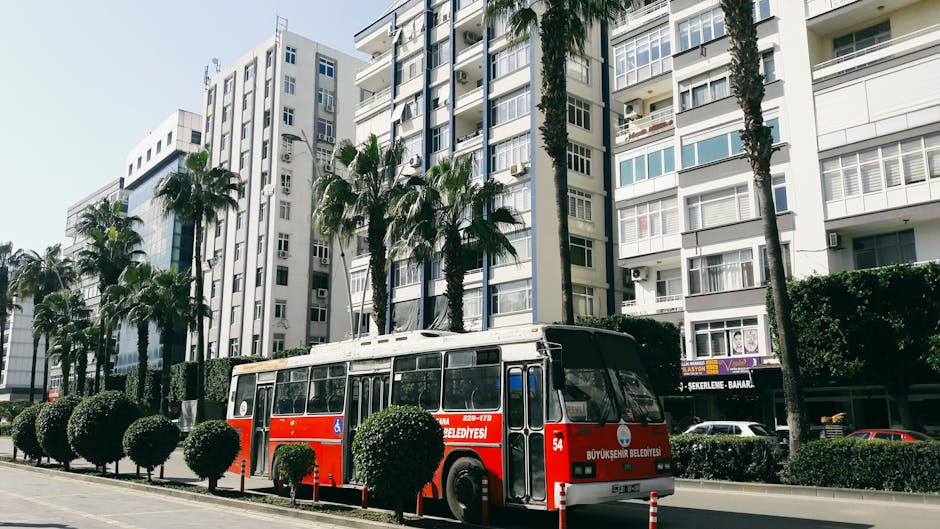
2) Taking a taxi in Tirana: fares, reliable numbers and safety tips
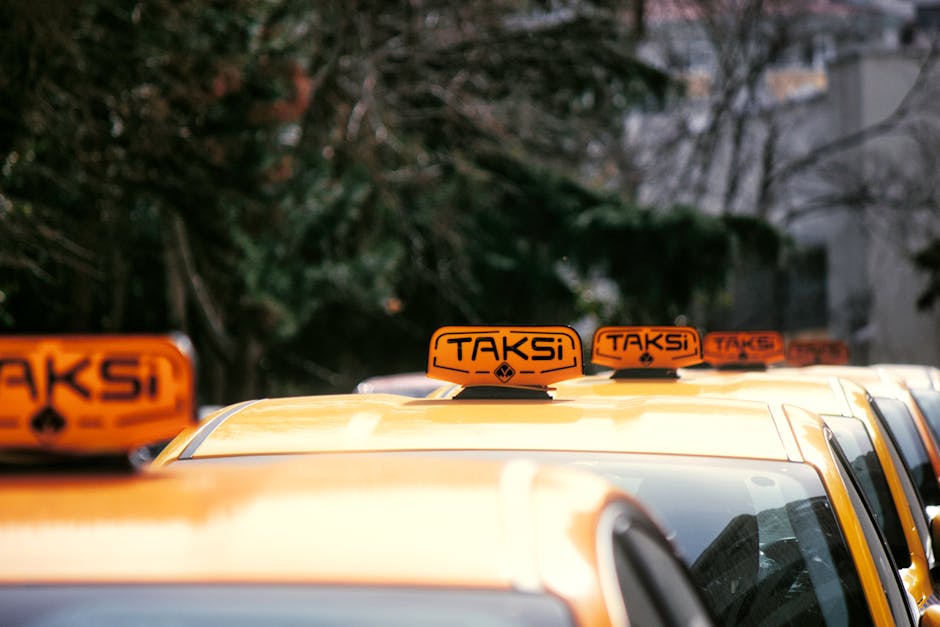
Taxis are the fastest and often most comfortable way to get around Tirana, especially at night or for door-to-door trips. Official taxis are usually yellow and have a meter. Private services and local apps can also be used from your smartphone.
Typical pricing: City taxi fares start at around €1.50 (≈200 lek) to get in, then about €0.40–0.60 per kilometre. A ride from the city centre (Sheshi Skënderbej) to Mother Teresa International Airport (Rinas, 16 km) typically costs between €20 and €25 in a standard taxi, depending on traffic and time of day. For a short intra-city trip (10–15 minutes) expect €2.5–6.
Recommended numbers and apps: Numbers and apps change, but you can call reliable taxi services such as Radio Taxi Tirana +355 4 222 222 (example booking number), or use the international ride app Bolt (available in Tirana) for transparent rates and card payments. Always check that the taxi has a working meter. If a driver offers a fixed fare without a meter, negotiate it clearly before you get in.
Safety and local tips:
- Prefer a taxi ordered by phone, through your hotel or via an app to avoid overcharging.
- Ask the driver to switch on the meter; if not possible, agree a firm price before departure and note the license plate.
- Tips aren’t mandatory but rounding up to the nearest euro is appreciated.
- In an emergency, the hotel reception can provide local police and assistance numbers.
Airport transfers: For a stress-free transfer between Tirana Airport (Rinas) and the city centre, the cheapest option is the Rinas Express bus (fare ≈ €2, journey time 25–40 minutes depending on traffic). Door-to-door taxis remain the fastest option, especially late at night, costing roughly €20–25.
3) Three recommended walks: the historic centre, Blloku and Mount Dajti
Tirana is a wonderful city to explore on foot. Here are three detailed walks with starting addresses, routes, points of interest, opening hours and practical tips.
Walk A: Historic centre and iconic squares (2–3 hours)
Starting point: Sheshi Skënderbej (Skanderbeg Square), address: Sheshi Skënderbej, Tirana 1001. Begin on the large square, admire the equestrian statue of Skanderbeg and the façade of the National History Museum (Muzeu Historik Kombëtar, address: Sheshi Skënderbej, Rruga Dëshmorët e Kombit, Tirana 1001). The museum is usually open from 09:00 to 17:00 (admission ≈ €5–7).
To the north of the square, visit the Et’hem Bey Mosque (Xhamia e Et’hem Beut, Sheshi Skënderbej) and the Clock Tower (Kulla e Sahatit) for a classic city photo. Then stroll toward the North Bazaar and down Rruga Murat Toptani, the main shopping street, where you can stop for coffee on a terrace.
Tips: early morning is quieter and the light is excellent for photos. Cafés around Blloku open from 08:00; expect slightly higher prices on the busiest terraces.
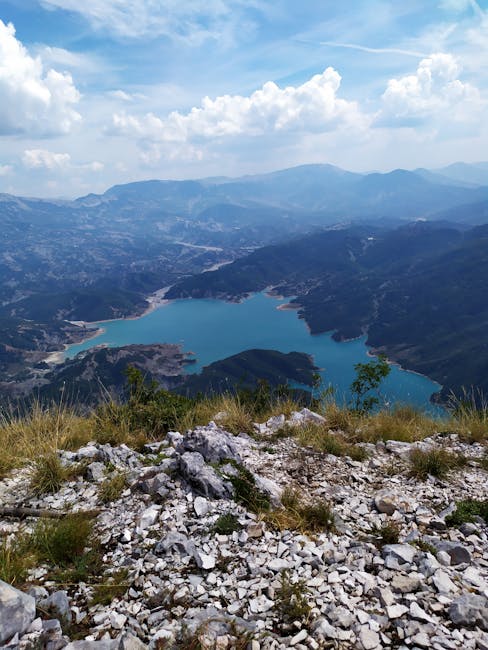
Walk B: Blloku (cafés, shops, nightlife) — 1.5–2 hours
Starting point: Rruga Ismail Qemali or Rruga Murat Toptani, the heart of Blloku. Once an area reserved for the communist elite, Blloku is now the city’s liveliest neighborhood for cafes, restaurants and bars. Wander street by street: stop at Café Komiteti (Rruga Frosina Plaku 8, opening hours ≈ 09:00–23:00) for a traditional Turkish-style coffee, or choose a modern bistro for lunch.
Highlights: small art galleries, local designer boutiques, cocktail bars in the evening. Prices in Blloku vary: a coffee ≈ €1.5–3, a main dish ≈ €6–12.
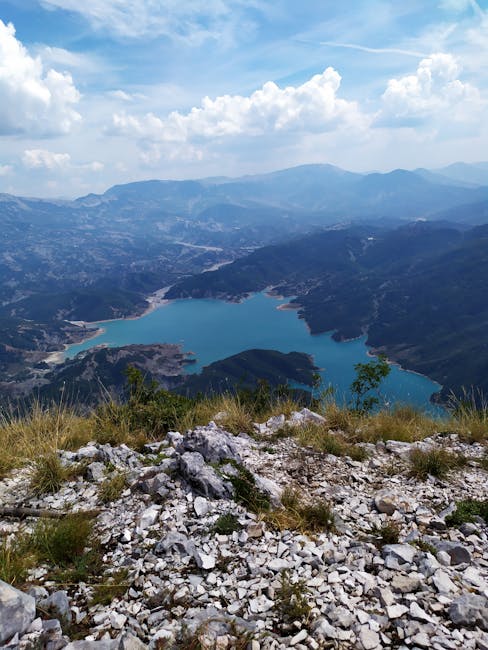
Walk C: Mount Dajti (half-day or full-day excursion)
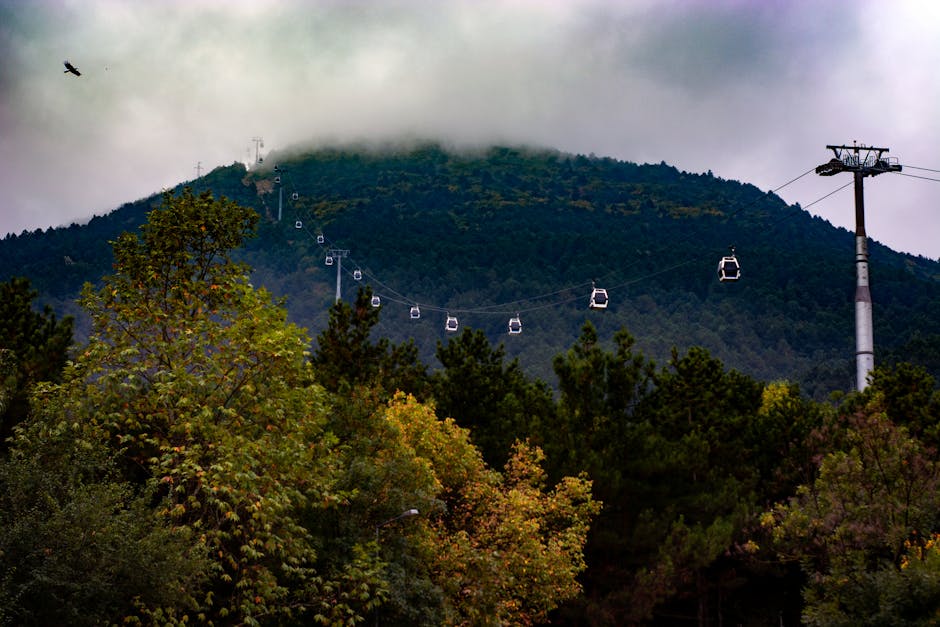
For a nature escape, take the Dajti Ekspres cable car (Dajti Ekspres Cable Car, lower station: Rruga e Dajtit near Kombinat) up to Dajti National Park. Lower station address: Complex Dajti Ekspres, Rruga Qemal Stafa, Tirana (look for local signage). Cable car fares: return ≈ €8–10, opening hours generally 09:00–18:00 depending on the season. At the top you’ll find walking trails, panoramic views over Tirana and traditional restaurants.
Tips: wear comfortable shoes for short walks at the summit, bring water and check the weather before you go (it’s often cooler at the top).
4) Practical tips and useful addresses: accommodation, safety, services
Useful addresses and recommended places:
- National History Museum (Muzeu Historik Kombëtar) – Sheshi Skënderbej, Rruga Dëshmorët e Kombit, Tirana 1001. Hours: 09:00–17:00. Admission ≈ €5–7.
- BUNK’ART 2 – Contemporary history museum and bunker site, address: Rruga Stavri Themeli 4, Tirana 1001. Hours: 10:00–18:00. Admission ≈ €7–8.
- Mother Teresa Cathedral (Katedralja e Tiranës) – Rruga Papa Gjon Pali II, Tirana. Exterior visit 24/7; interior access depends on services and opening times.
- Mother Teresa International Airport (Rinas) – Rinas Airport, Rinas, Tirana. Transport: Rinas Express bus ≈ €2, taxi ≈ €20–25.
Safety: Tirana is generally safe for tourists, but as everywhere, stay aware at night, avoid poorly lit streets and don’t leave your belongings unattended. Pharmacies and international hospitals are available in the city centre — ask your hotel reception for contact details if needed.
Money and payments: Many places accept cards, but small cafés, independent taxis and markets may prefer cash (euros or lek). Carry a small amount of cash for minor expenses.
Accessibility: The city centre is largely walkable, but wheelchair infrastructure can be limited in older quarters. Use taxis for trips that require full accessibility.
Conclusion: Travel calmly in Tirana
Tirana offers a unique mix of history, culture and contemporary urban life, all easily accessible thanks to a variety of transport options: economical buses, convenient taxis and streets that invite walking. By planning your movements using the information here — exact addresses, fares in euros, indicative hours and local tips — you can minimize stress and make the most of your time in the city. Start your visits from Sheshi Skënderbej, use the bus for longer journeys when you’re on a budget, and prefer taxis for late-night transfers or trips with heavy luggage.
Remember the practical recommendations: buy or validate your bus tickets, ask taxis to switch on the meter or agree on a price before you set off, and favor morning walks to avoid crowds and get the best light for photos. Use the addresses provided (National History Museum, BUNK’ART 2, Dajti Ekspres, etc.) to map your days and quickly find meeting points. Most of all, leave time to wander: the colorful facades, lively Blloku cafés and the views from Mount Dajti are experiences measured not just in kilometres but in moments.
With these practical and visual cues, Tirana becomes easy to navigate even for travelers on a tight schedule. Plan, breathe, and enjoy: the Albanian capital will welcome you with warmth, aromatic coffee and memorable panoramas. Safe travels in Tirana, and feel free to return to this guide if you’d like a tailored itinerary or more information for themed visits (food, street art, architecture).