





Introduction — Why skip the tourist buses and use Tirana’s local network
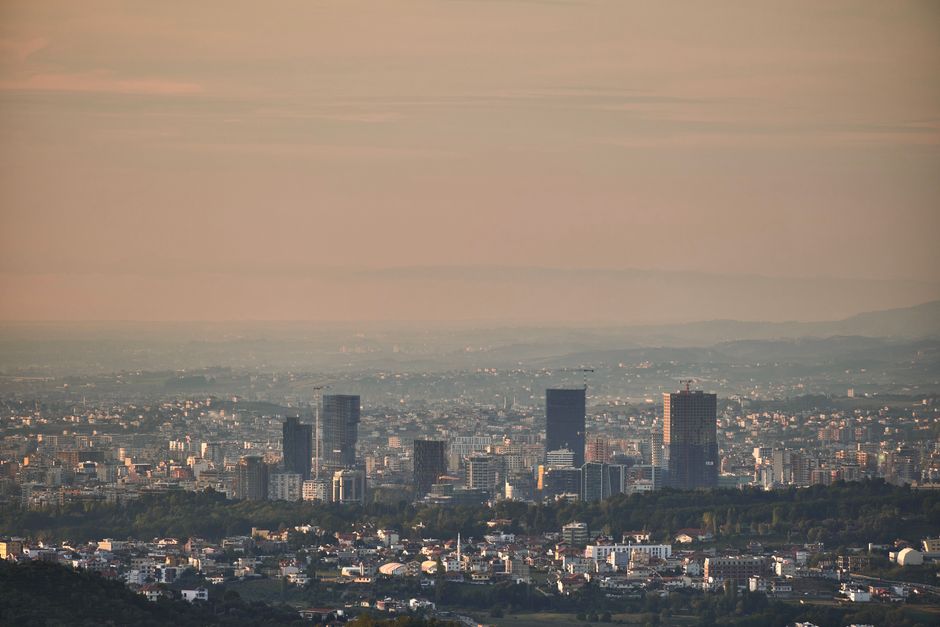
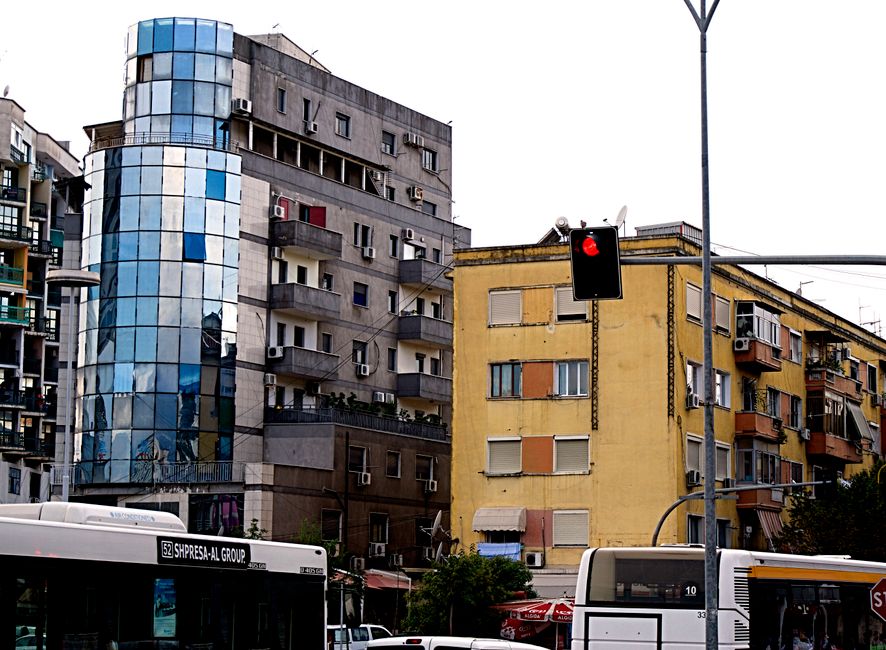
Tirana, Albania’s capital, is a city reinventing itself — a patchwork of Ottoman-era buildings, communist-era blocks and fresh Mediterranean ambitions. Open-top tourist buses and quick “highlights” tours give a fast first impression, but they often miss the city’s soul by cutting visitors off from everyday life. In Tirana, the real experience happens on ordinary routes: city buses, privately run minibuses (furgons), the Dajti Ekspres cable car and even walking between neighborhoods. Choosing the local network means diving into buzzing markets, hearing Albanian spoken in its local accent, sampling street-sold byrek, and seeing how locals commute, socialize and shop.
This guide aims to show, with practical details, why local transport in Tirana is far more authentic than a standard tourist circuit. You’ll find exact addresses, typical timetables, prices in euros and vivid descriptions for each transport option. We’ll also explain how to buy tickets, read routes, which times to avoid, and which stops to use to reach the city’s liveliest spots: Blloku, Pazari i Ri, Skënderbej Square, Rruga Mustafa Matohiti and the Dajt cable car entrance.
Riding the local network also means meeting the city at eye level: impromptu conversations on buses, vendors offering hot Turkish coffee as you get off, parents boarding with strollers on the way to parks. This guide doesn’t dismiss tourist buses — they’re useful for a quick overview — but it shows that for anyone wanting to understand Tirana, the local network is not only cheaper but richer in encounters and unexpected discoveries.
Throughout the sections you’ll find recommended routes, detailed descriptions of places reachable by public transport, safety tips, snack suggestions right from the stops, and reminders about local etiquette on transit. We also include practical information: exact locations (with full addresses), indicative prices in euros for journeys and attractions, and typical schedules. At the end, a conclusion sums up why the local network will give you a truer, closer and more memorable Tirana.
1) Understanding the local network: routes, tickets and cards
Tirana’s urban transport network relies mainly on city buses, supplemented by private minibuses (furgons), a dense taxi service, and the Dajti Ekspres cable car to reach the heights of Dajt Park. The main operator is often referred to as Transporti Urban i Tiranës (TUT) or simply “autobusët urbanë.” Routes serve the main hubs: Skënderbej Square, Blloku, Pazari i Ri, Rruga e Elbasanit, Tirana Universitet, and the residential outskirts.
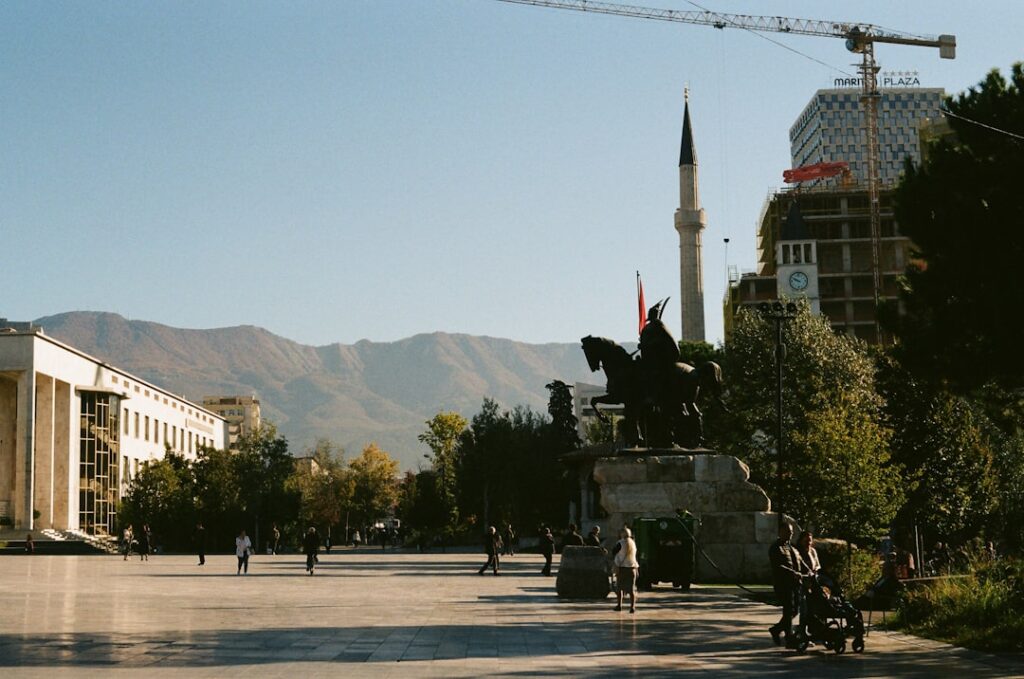
Central reference address: Sheshi Skënderbej, 1001 Tirana, Albania — this is where most lines converge and where the Grand Skanderbeg Monument stands. Stops are usually marked with blue signs showing line numbers; expect signage that can be basic but generally readable.
Fares (prices in euros) — single tickets and passes:
- Single city bus ticket: €0.40 (payable in cash to the driver — have exact change).
- Day pass (most independent operators sell a 24h pass): €2.00 (unlimited travel on urban lines for 24 hours; available at kiosks and some main stops).
- Minibus (furgon) fare: €0.50–0.70 depending on distance, payable in cash to the driver.
Buying a ticket: on most buses you pay directly to the driver in euros or in lek if you prefer (always carry small change). Kiosks around Sheshi Skënderbej, Pazari i Ri market (Rruga Sulejman Delvina, 1001 Tirana) and near the Dajti Ekspres station accept card payments for day passes. Larger stations or sales points (e.g. Tirana Bus Center, Rruga Idhomen Kolonja, 1010 Tirana) sell longer-term passes.
Schedules: most urban lines run roughly from 05:30 to 23:00 on weekdays; some main lines extend until about 00:30 on Fridays and Saturdays. Frequencies vary: central lines (e.g. toward Blloku and Rrugë Myslym Shyri) run every 10–20 minutes during the day; peripheral lines every 30–60 minutes. Minibuses are more flexible and often run more frequently at peak times.
Practical tips:
- Have exact change: drivers rarely give large change; having a €0.40 coin or exact amount speeds boarding.
- Ask before getting on: if you’re unsure of the route, ask the driver “Shkon te Blloku?” (or state your destination) — they’ll often reply in basic English if needed.
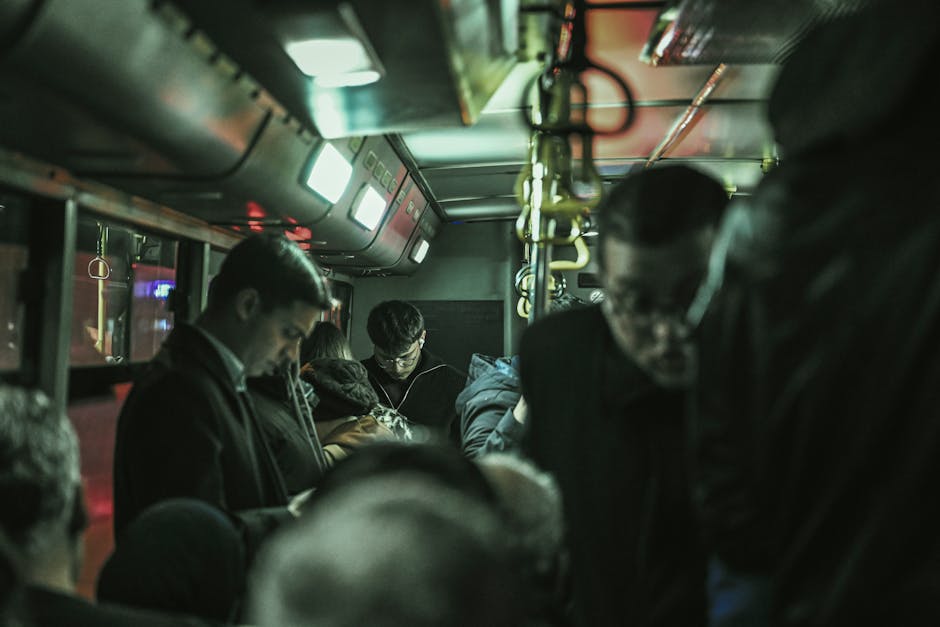
- Avoid rush hour: between 07:30–09:00 and 16:30–18:30 vehicles are very crowded; prefer 10:00–15:30 for a more comfortable ride.
2) Recommended one-day routes using only the local network
To really get a feel for Tirana, here are three full-day routes — all doable using only local transport and on a small budget. Each route explains where to board, which stop to use and what to do nearby.
Itinerary A — From the center to the market and Blloku (morning culture and lunch):
- Starting point: Sheshi Skënderbej, 1001 Tirana.
- Recommended line: city bus no. 3 or no. 4 (check the sign) toward Blloku. Cost: €0.40.
- Get off at the “Pazari i Ri” stop (Rruga Sulejman Delvina, 1001 Tirana) — walking distance 0–200 m depending on the stop.
Pazari i Ri (The New Market) is a renovated market with stalls selling fruit, vegetables, fish and small cafés. Market address: Pazari i Ri, Rruga Sulejman Delvina, 1001 Tirana. Opening hours: 07:00–19:00 most days. Try a Turkish coffee for around €0.80 and a cheese byrek for €0.60–1.00. The market is full of locals bargaining and chatting — perfect for photographing authentic scenes.
After the market, walk 10–15 minutes to the Blloku neighborhood via Rruga Ismail Qemali. Blloku (the former VIP quarter under the communist regime) is now full of trendy cafés and small boutiques. Central address: Rruga Ismail Qemali, 1001 Tirana. For lunch try a small restaurant like Oda (Rruga Pjeter Bogdani 10, 1001 Tirana) which serves traditional Albanian dishes for about €8–12 per person. Blloku is a great place to watch the local youth scene.
Itinerary B — Park, museum and a stroll through the city center (afternoon):
- Starting point: Rruga Ismail Qemali, Blloku. Take bus no. 5 or a minibus toward Sheshi Skënderbej (€0.40).
- Get off at: Sheshi Skënderbej, 1001 Tirana.
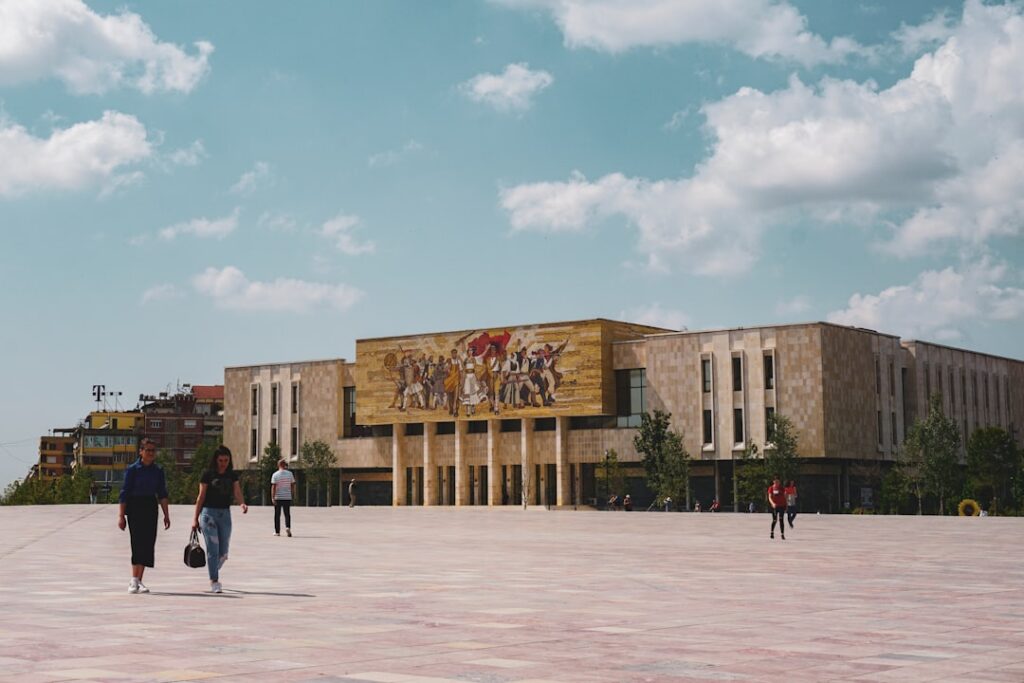
Nearby, visit the Muzeu Historik Kombëtar (National History Museum) located at Sheshi Skënderbej, 1001 Tirana. Hours: 09:00–17:00 (closed Mondays — check locally). Entrance fee approx.: €3.00 for international visitors. The museum, with its iconic mosaic facade, offers useful historical context to understand the city. Then cross over to Rinia Park (Parku Rinia, 1001 Tirana), a small busy park where families gather. Cafés around the park serve desserts and coffee for €1–3.
Itinerary C — Up to Dajti for a panoramic view (late afternoon):
- Starting point: take a city bus or a taxi to the Dajti Ekspres station — address: Dajti Ekspres, Rruga Dajti, 1041 Tirana. Cost bus + cable car: bus €0.40 + cable car €6.50 round-trip (approximate adult fare in euros).
- Dajti Ekspres hours: 09:00–17:00 in low season; extended hours in summer — check the ticket office (phone displayed on site).
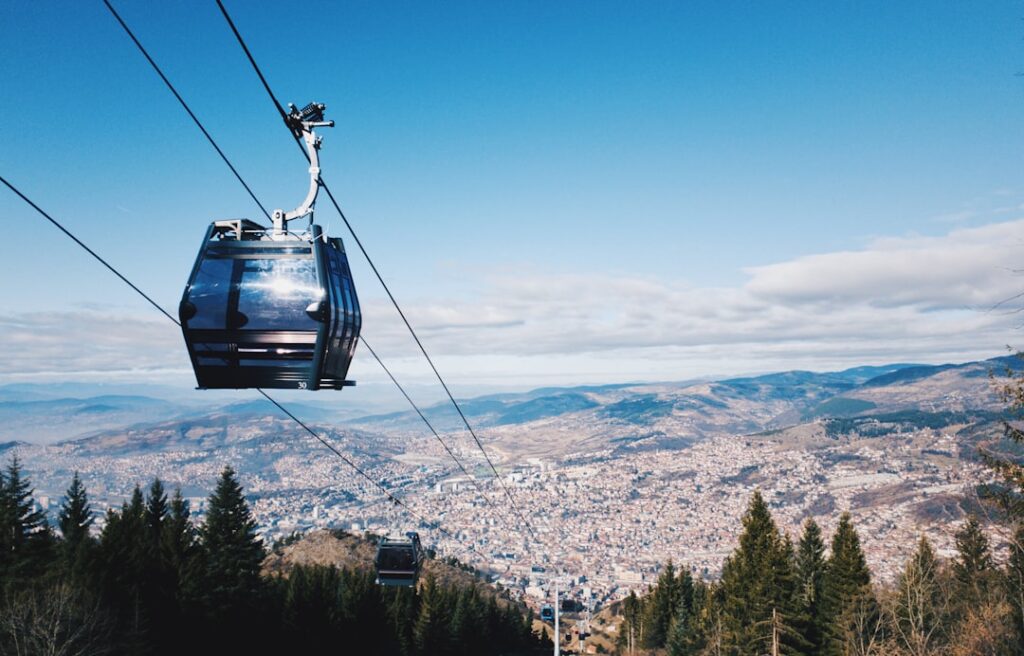
The Dajti cable car climbs about 1,000 meters offering views over the Durrës Bay and surrounding mountains. At the top you’ll find short hiking trails, restaurants and panoramic terraces. It’s a striking contrast to the dense urban life below and a great way to observe how the city meets the landscape.

3) Key neighborhoods and stops: where to get off to feel the city
To make the most of the local network, know where to get off. Stops aren’t just map points: they’re the start of an experience. Here’s a list of key stops with what you’ll find and why they’re worth visiting.
Sheshi Skënderbej (Sheshi Skënderbej, 1001 Tirana)
- Why: the historic and current heart of Tirana, surrounded by the National History Museum, Ethem Bey Mosque and the Government Palace. It’s the main interchange and the best place to start walking tours.
- Hours: the square is accessible 24/7; museums nearby 09:00–17:00.
- Tip: head up to the rooftop café at the Toptani shopping center (Toptani Center, Rruga e Kavajës 44, 1001 Tirana) for a terrace view.
Pazari i Ri (Rruga Sulejman Delvina, 1001 Tirana)
- Why: renovated local market, ideal for tasting regional products and seeing everyday food shopping.
- Prices: street snacks €0.50–2.50; market meals €3–6.
Blloku (Rruga Ismail Qemali, 1001 Tirana)
- Why: center of nightlife and café culture, full of terraces and independent shops.
- Hours: cafés often open until 23:00–01:00, bars later.
- Tip: avoid arriving in the middle of the evening without a reservation at popular restaurants.
Rruga e Dibrës / Kombinat (bus numbers vary)
- Why: working-class neighborhoods and workshops, less touristy, where you can feel Tirana’s everyday economy.
- Experience: repair shops, small worker canteens (prices €2–5), neighborhood markets.
How to move between these stops: use buses for longer distances between neighborhoods, and walk to explore Blloku and the center. Minibuses are a quick option for short trips and are a great way to chat with Albanians who use these lines daily.
4) Safety, etiquette and local tips for public transport
Traveling like a local also means adopting certain behaviors to make interactions easier and stay safe. Tirana is generally a safe city, but a few rules of courtesy and caution apply, especially on public transport.
General safety:
- Pickpocketing: as in many cities, keep valuables close. Crowded buses are the most likely place for pickpockets. Wear a closed bag at the front during rush hour.
- Lighting and streets: main avenues (Rruga Dëshmorët e Kombit, Rruga Ismail Qemali) are well lit. Some side streets may be darker at night — prefer a taxi early in the morning or late at night if you’re alone.
Etiquette to follow:
- Validate your ticket: pay the driver or show your pass; don’t board without paying as it can cause tension.
- Give up seats: offer seats to elderly passengers and pregnant women — it’s expected and appreciated.
- Language: English is common among young people and in tourist areas; learning a few Albanian phrases (thank you = faleminderit) is a nice gesture.
If you lose an item: report it to the driver if you notice immediately. For valuables found on a bus, drivers often hand them in at the central depot (Tirana Bus Center, Rruga Idhomen Kolonja, 1010 Tirana); you may need ID to collect them.
Health and practical tips:
- Drink bottled water (€0.50–1.50 depending on size); avoid small street bottles if the seal looks tampered with.
- If you have a large bag, avoid peak times — you’ll be much more comfortable getting on and off.
- Keep a small change reserve in euros for tickets (€0.40, €0.50); drivers may not give correct change on large bills.
5) Alternatives and complements to the local network: when and why to use them
While the local network is the most authentic way to discover Tirana, there are useful alternatives depending on your situation. Knowing these options helps you adapt your exploration based on time, weather and mood.
Taxis and ride-hailing apps:
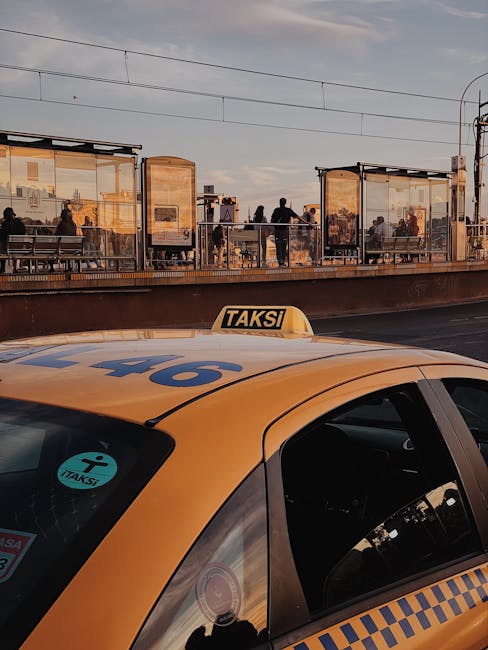
- Official taxis have yellow plates; daytime rates are about €0.50–0.70 per km; a typical city-center ride costs €3–6 depending on distance and time.
- Apps like Bolt and Taxify operate in Tirana; prices vary, but these apps offer the convenience of card payment and real-time estimates. A major taxi stand address: Taxi Station, Rruga e Kavajës, 1001 Tirana.
Bike and e-scooter rentals:
- There are dockless services in the center and Blloku; fares: €0.50 unlock + €0.10–0.15/min depending on the operator.
- Great for short distances in the center, to avoid walking in the summer heat, or to reach bus stops with low frequency.
Tourist buses and guided day trips:
- Useful if you have little time and want a structured route (e.g. Adriatic coast tours or a day trip to Krujë). Prices: €15–40 depending on duration and destination.
- But for daily immersion, these tours are often superficial: if meeting local life is your goal, prefer the urban network.
Why use an alternative?
- Limited time — a taxi can save you time between appointments.
- Comfort — in extreme heat, an air-conditioned taxi is more pleasant.
- Accessibility — for people with reduced mobility, some taxis and adapted vehicles may be necessary; the local network isn’t always fully accessible.
Conclusion — The local network: your key to a genuine, lasting Tirana experience
Traveling around Tirana on the local network is choosing fruitful slowness over a quick showcase. Buses, minibuses and the Dajti Ekspres cable car aren’t just ways to get around — they’re stages where the city’s daily life plays out. You’ll hear Albanian conversations, see merchants who recognize regular faces, taste specialties sold at stops, and have spontaneous opportunities to interact with residents. The savings (a €0.40 ticket versus a tourist bus costing €15–30 a day) also let you spend more directly in the local economy: a coffee, a meal in a family kantina or an entry to the National History Museum.
Using the local network also supports more sustainable mobility. Compared with heavy tourist coaches that often emit more, city buses and minibuses offer a smaller per-passenger carbon footprint, especially if you combine walking with public transport. By choosing the local network you send a strong signal: you want a respectful, engaged experience where your money stays in the city’s economy as much as possible.
Finally, the real experience has a practical side: you’ll build an intuitive understanding of the city. You’ll learn to recognize stop names, estimate travel times, read informal minibus routes and find the little lanes where the best byrek are hidden. This guide has given precise addresses (Sheshi Skënderbej, Rruga Sulejman Delvina for Pazari i Ri, Rruga Ismail Qemali for Blloku, Dajti Ekspres at Rruga Dajti) as well as indicative prices in euros and typical schedules. These are anchors to set off and explore on your own.
Final tip: leave one morning unplanned — hop on the first bus that comes, get off at the next stop that intrigues you, and start walking. Often, by embracing the unexpected, cities reveal themselves. In Tirana, the local network is the best invitation to do just that. Safe travels, and enjoy the real Tirana.