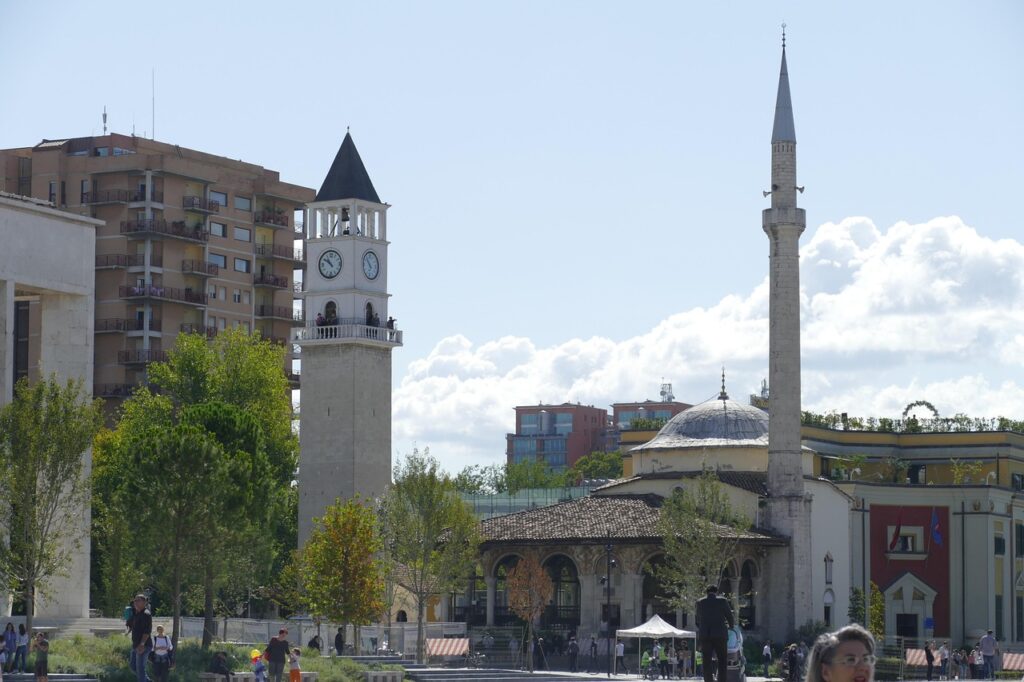






[COUNTER-CURRENT] Don’t Panic: Why You Don’t Need to Pack Every Pill Before Visiting Tirana
Practical, reassuring guide for travelers
Introduction — purpose and tone of this guide
Travel often triggers a never-ending prep list: clothes, documents, adapters, and for many, a personal medicine cabinet « just in case. » But before you fill your suitcase with boxes and bottles, take a deep breath. Tirana, Albania’s lively capital, isn’t a medical no-man’s-land where survival depends on an expedition-level first-aid kit. This deliberately counter-current guide explains why you don’t need to bring every single pill and gives practical advice on handling health and medication on the ground—without panic.
This isn’t about downplaying real health needs: if you take chronic medication (for example for high blood pressure, diabetes, asthma, or contraception) or if you have severe allergies, you should of course travel with enough meds, prescriptions, and medical paperwork. But for generally healthy travelers, Tirana provides reliable access to pharmacies, private clinics and public hospitals, and an emergency-care network. Common medicines (painkillers like paracetamol, antacids, antidiarrheals, antihistamines) are easy to find over the counter or with a simple prescription.
This guide will give you: exact addresses for pharmacies, hospitals and clinics in Tirana, their typical opening hours, price ranges in euros for common medicines, practical tips for assembling a minimal yet useful kit, and strategies for getting medication locally without stress. You’ll also find cultural and local recommendations: how to describe your health problem in Albanian or English, where to find help at night, and how to use health services while respecting local customs.
Before we dive in: if you take prescription medication, bring enough for your entire trip, ideally in their original packaging with the prescription. For everything else, read on—you’ll find that the smartest approach to visiting Tirana isn’t cramming your luggage with pills, but packing wisely—with the essentials and a realistic trust in local services.
1) Accessing medication in Tirana: pharmacies, prices and opening hours
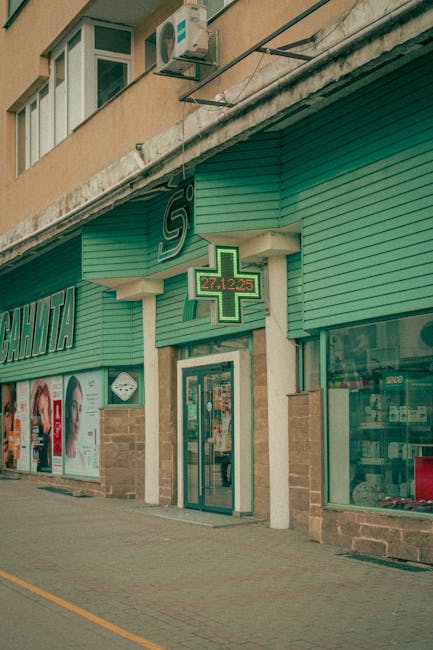
Tirana has a dense network of pharmacies (apotekë / farmaci) across the center and outlying neighborhoods. Local neighborhood pharmacies sell most over-the-counter medicines and can also dispense prescription drugs after a consultation or upon presentation of a prescription. Here are concrete places you can go if you need to buy medicine during your stay.
- Farmacia 24 Orë — Rruga Myslym Shyri 12, 1001 Tiranë. Open 24 hours, 7 days a week. Ideal for late-night emergencies. Approximate prices: paracetamol (500 mg, pack of 20) €1.50–3.00, ibuprofen (200 mg, pack of 20) €2.00–4.00.
- Farmacia Qendrore – Apoteka Central — Sheshi Skënderbej, Skanderbeg Square, 1001 Tiranë. Typical hours: 08:00–20:00. Close to tourist administration offices and main avenues. Antacids (20 chewable tablets) €2.00–3.50, antidiarrheal (loperamide, 6 capsules) €2.50–4.50.
- Apoteka Tirana Center — Bulevardi Dëshmorët e Kombit 47, 1001 Tiranë. Hours: 08:00–22:00. Antihistamines (cetirizine 10 mg, 10 tablets) ≈ €3.00–5.00.
Practical notes: prices vary by brand (generics are cheaper) and depending on additional fees. The local currency is the lek (ALL), but many places accept euros; pharmacy prices are often listed in lek but you can pay in euros in tourist zones. Central pharmacies are mostly bilingual (Albanian / English) and staff generally recognize international drug names.
If you urgently need a prescription medicine (antibiotic, bronchodilator), many private clinics offer quick consultations with a prescription, so you won’t have to bring a prescription from your home country. See the clinic section for addresses and consultation fees.
2) Private clinics, hospitals and emergency services: where to go, when and how much
For health issues beyond self-care, Tirana has well-identified medical facilities:
- Spitali Universitar Qendror « Nënë Tereza » (Mother Teresa University Hospital Center) — Rruga e Dibrës, 1000 Tiranë. Emergency department open 24/7. The public hospital covers most medical and surgical emergencies. Cost: nationals and residents pay public rates; international visitors typically pay out-of-pocket for services (emergency exam, lab tests) — expect €30–200 depending on severity and required tests.
- Medicla Clinic Tirana – KLINIKA MEDICA — Rruga Sami Frashëri 8, 1001 Tiranë. Hours: 08:00–20:00, appointments and minor emergencies. General consultation ≈ €20–50, specialist consults €40–120. Prescriptions and blood tests available on site.
- American Hospital / Private Medical Center (examples of major private clinics) — Bulevardi Zogu I, 1001 Tiranë (indicative address for major private clinics). Hours: 08:00–20:00. Higher fees (consultation €50–150), but English-speaking staff, quick service and clear billing for international insurance.
Practical tips:
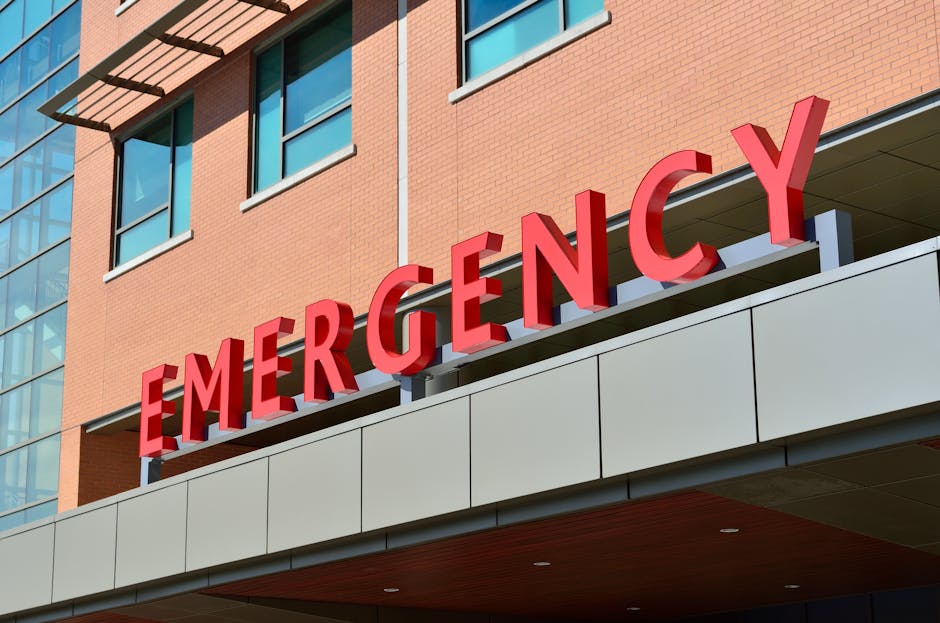
- For severe problems (chest pain, heavy bleeding, respiratory distress), call the local ambulance at 127 (medical emergency) or go directly to the emergency department of Spitali Qendror « Nënë Tereza. » English may be limited among emergency staff; if possible, have someone who speaks Albanian or prepare a short note in Albanian listing your main symptoms before calling.
- For minor infections, skin wounds, or persistent fever: a private clinic is often faster and more customer-oriented. Prices are transparent and most clinics accept credit cards.
- If you have travel insurance, contact your insurer as soon as possible; they can direct you to partner facilities and may cover certain costs.
3) What to pack in your minimal travel medical kit for Tirana
Instead of bringing « every pill, » go minimalist but complete—a kit that treats common problems and gets you to a pharmacy or clinic if needed. Here’s a recommended list, followed by explanations and approximate prices in euros.
- Medical documents: original prescription for any chronic treatment, travel insurance card, list of allergies, current medications. These items are essential and take up little space.
- Painkiller/anti-inflammatory: paracetamol 500 mg (20 tablets) ≈ €1.50–3.00, ibuprofen 200 mg (20) ≈ €2.00–4.00.
- Antidiarrheal: loperamide (6 capsules) ≈ €2.50–4.50; oral rehydration solution packets ≈ €1–2.
- Antihistamine: cetirizine 10 mg (10 tablets) ≈ €3–5.
- Antacid: chewable tablets or ranitidine/omeprazole for occasional reflux (prices vary, €3–6).
- Dressings and antiseptic: adhesive bandages, sterile gauze, medical tape and a small tube of antiseptic (tape and povidone-iodine) ≈ €5–10.
- Ointment for cuts/irritations: topical antibiotic ointment (small 15 g tube) ≈ €3–6.
- Motion sickness treatment: dimenhydrinate or similar tablets ≈ €2–5.
- Small scissors & tweezers: to remove splinters, cut dressings.
- Compact thermometer: €5–15 depending on model.
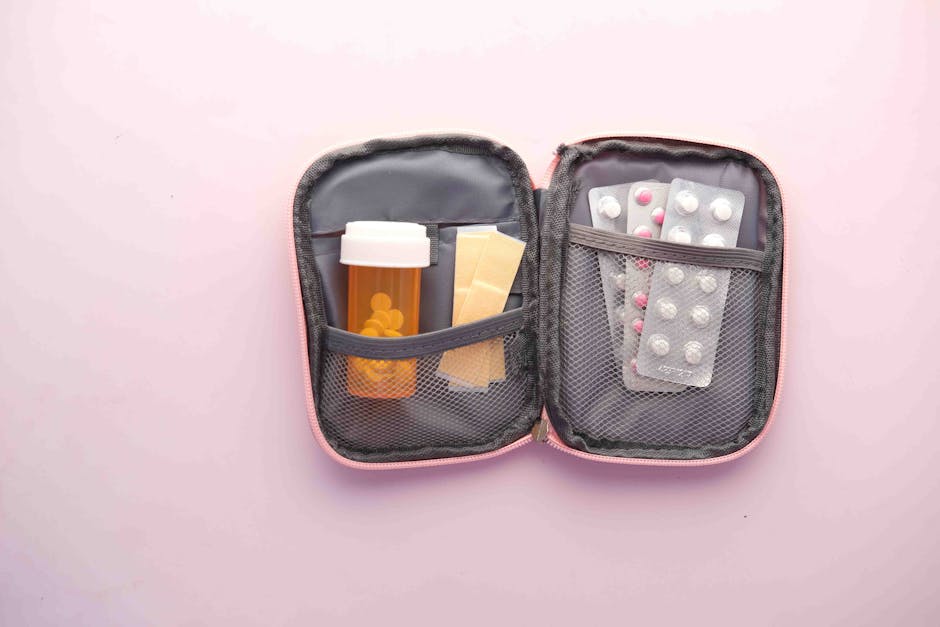
Why limit the kit? Because duplicating medicines is costly, increases the risk of mistakes (taking expired meds or dangerous interactions) and complicates security checks at airports or customs. Bring the essentials and rely on Tirana’s availability for anything else. If you’re unsure, consult your doctor before departure.
4) Cultural and practical tips for getting medication in Tirana
Communicating your needs and navigating the local health system is often as important as drug availability. Here are concrete tips, useful phrases, and local recommendations to help you stay calm.
-
Language and communication: many pharmacists and doctors in the city speak English, but not all. Keep a note on your phone with your allergies and medications in both English and Albanian to show quickly. Examples you can copy/paste:
- « Jam alergjik ndaj penicilinës » — I am allergic to penicillin.
- « Kam ethe dhe dhimbje kraharori » — I have a fever and chest pain (use only if applicable).
- « A e keni këtë ilaç pa recetë? » — Do you have this medicine without a prescription?
- Night services: look for « Farmacia 24 Orë » (24-hour pharmacies) near the center. They’re visible on Google Maps and in local guides. Keep the address of the closest 24-hour pharmacy to your hotel.
- Getting a local prescription: for antibiotics or prescription meds, visit a private clinic (consultation €20–80); the doctor will issue a local prescription that the pharmacy will accept. Private clinics usually accept most credit cards.
- Prices and brands: you’ll find affordable generics. If you prefer a specific brand, show the packaging or exact name to the pharmacist. Be cautious with local manufacturers; always ask for the leaflet and dosage instructions.
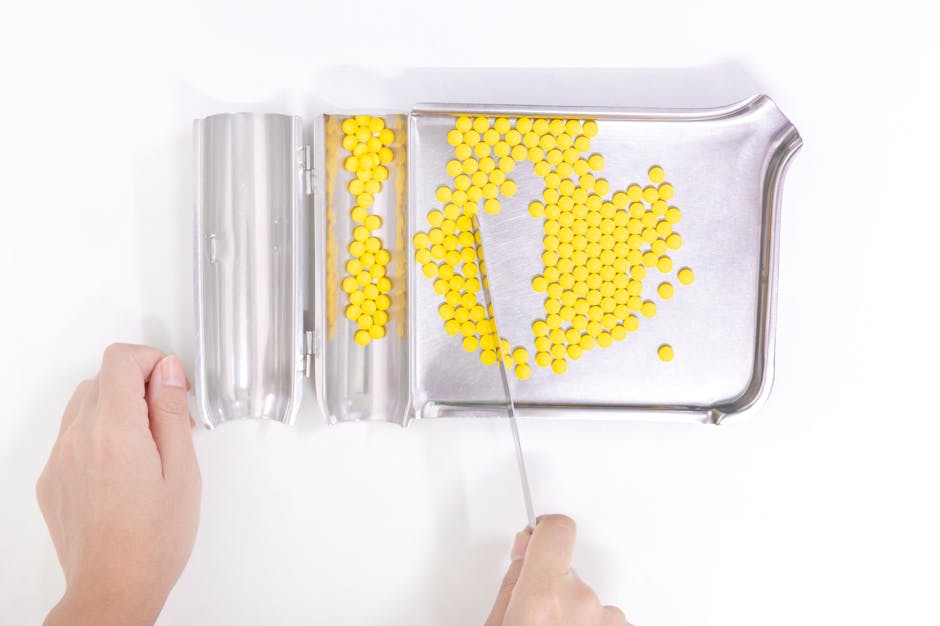
Other practical tips: keep medicines cool and out of direct sunlight; in summer the inside of a car can quickly become extremely hot. If you need a temperature-sensitive medication (insulin, inhalers), store it in a small insulated bag and inform your airline if you’re flying.
Useful addresses and landmarks to help you find your way
To help you get oriented, keep a few key addresses handy:
- Sheshi Skënderbej (Skanderbeg Square) — Skanderbeg Square, 1001 Tiranë. The city’s heart and a good landmark when heading to pharmacies and clinics.
- Parku i Madh / Grand Park of Tirana (Parku Rinia) — Bulevardi Dëshmorët e Kombit, 1001 Tiranë. Close to private clinics in the center.
- Tirana International Airport Nënë Tereza — Rruga e Aeroportit, 1041 Rinas, Albania. Open 24/7; arrival point and often where travelers pick up initial travel meds (small airport pharmacies).
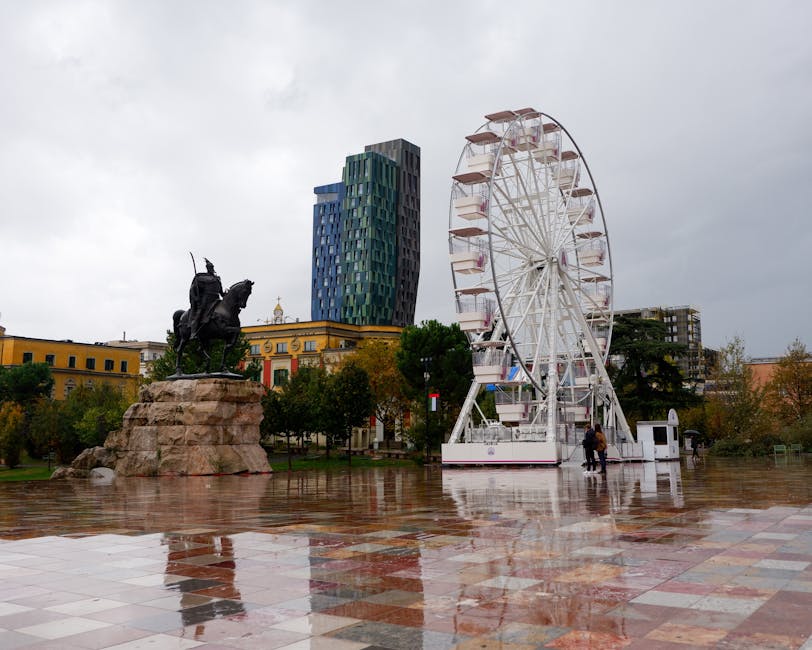
Conclusion — why a measured approach is the smartest strategy
Traveling to Tirana doesn’t mean packing an industrial pharmacy in your suitcase. Albania’s capital offers solid access to open, well-stocked pharmacies, competent private clinics and a public hospital for emergencies. Rather than overpacking, take a measured approach: prepare the essentials (prescriptions, chronic meds, a small first-aid kit), know the on-call pharmacies near where you’re staying, and be aware of the private clinics and the « Nënë Tereza » hospital for more serious situations.
Panic often stems from not knowing the local setup. By informing yourself (addresses, hours, approximate prices), keeping important medical documents on hand and packing a few basic medicines, you’ll have the peace of mind to enjoy Tirana—its colorful squares, lively cafés, museums and unique urban energy. If something goes beyond your medical capacity, solutions exist: quick private consultations, night pharmacies and a centralized emergency service. And if you have travel insurance, keep their contact numbers handy and call them—they often make medical logistics and coverage much easier.
In short: don’t bring « every pill, » but bring the right information and documents. With this light and smart preparation, your stay in Tirana will be simple, safe, and far less stressful. Safe travels—and remember: preparation quality matters more than how many boxes you stuff into your bag.