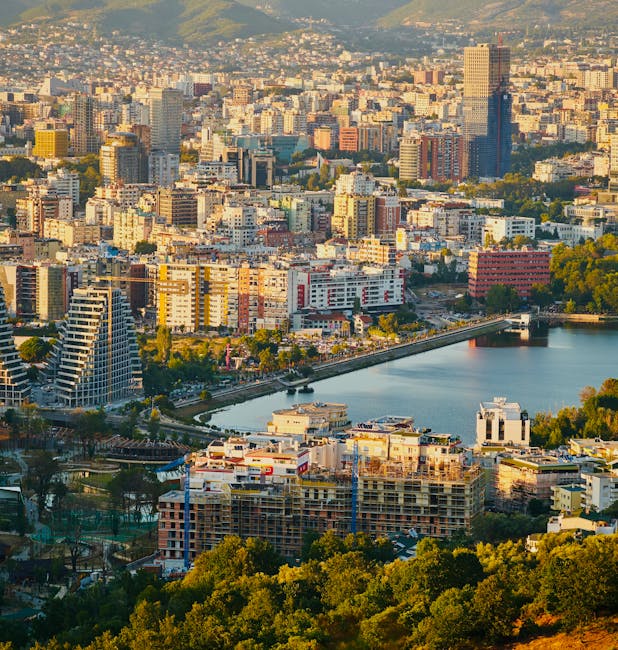






Introduction — Downtown or Outskirts in Tirana: which option for your stay?
Tirana, Albania’s capital, is a city of contrasts where Ottoman history, the communist era and a lively young scene sit just a few blocks apart. Picking where to stay in Tirana matters: it sets the pace and shapes the kind of experiences you’ll have — late-night outings and museums within walking distance, or peaceful green spaces and views nearby. This guide helps you weigh the pros and cons of staying in the historic city center versus quieter outer neighborhoods, with practical details (addresses, prices, opening hours) and local tips.
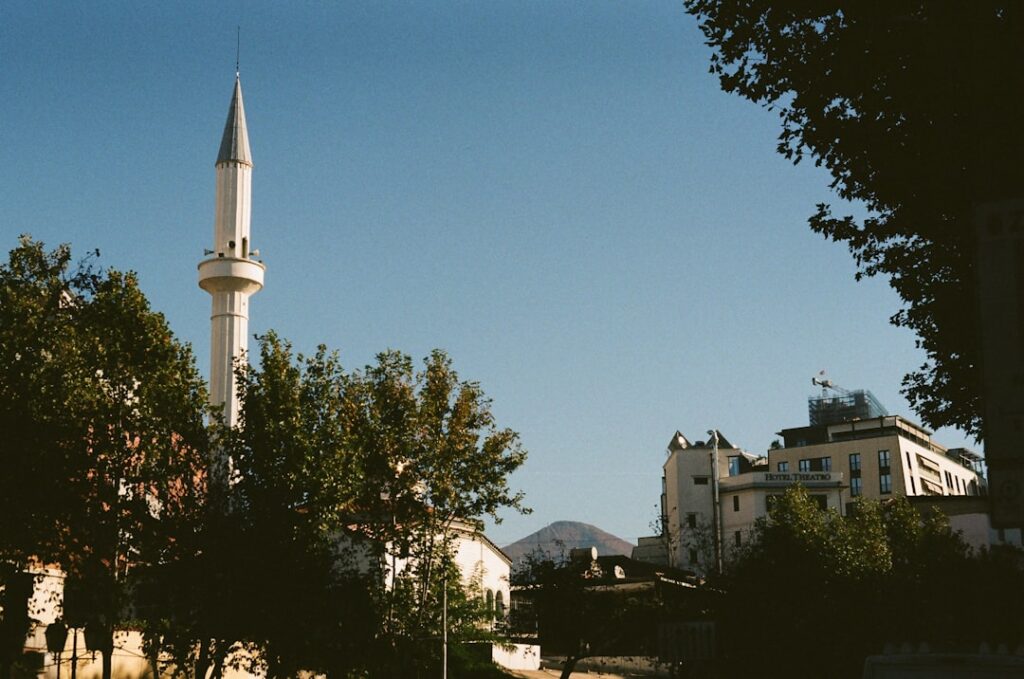
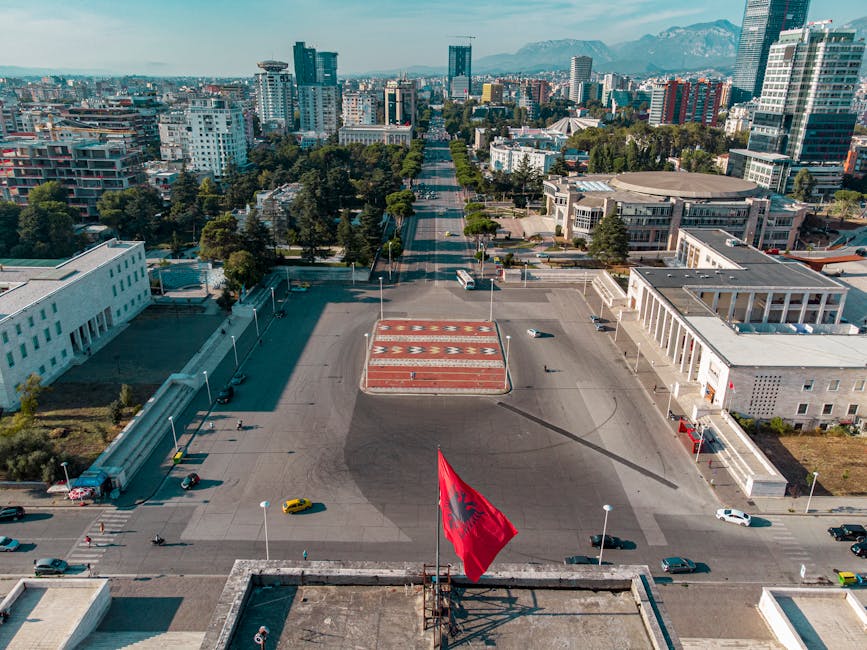
The city center around Skanderbeg Square (Sheshi Skënderbej, Tirana 1001) concentrates the must-sees: the National Historical Museum (Muzeu Historik Kombëtar, Sheshi Skënderbej 4, Tirana 1001), the Et’hem Bey Mosque (Sheshi Skënderbej, Tirana 1001), the grand Bulevardi Dëshmorët e Kombit and the Blloku district (Rruga Mustafa Matohiti, 1010 Tirana) — once an exclusive area for communist officials, now the epicenter of nightlife. Staying downtown typically costs between €50 and €160 per night depending on standards (for example Hotel Plaza Tirana, Rruga 28 Nëntori 1, 1001 Tirana, average €90–150/night). Proximity makes it easy to visit the National Museum (entry ≈ €3–5), Bunk’Art 1 (Bulevardi Dëshmorët e Kombit 71, entry ≈ €10) and enjoy cafés and restaurants open late.
By contrast, the outskirts — especially the Grand Park (Parku i Madh i Tiranës / Parku i Liqenit Artificial, Rruga e Liqenit, Tirana 1001) and the slopes of Mount Dajti — offer a calmer atmosphere, walking paths, bike lanes and panoramic viewpoints. The Dajti Ekspres cable car (lower station: Rruga “Murat Toptani”, round trip ≈ €6–8, typical hours 09:00–17:00, extended in high season) is a major draw if you want nature and views without leaving the city. Outskirts accommodations are often cheaper (€45–80/night) and roomier, but you’ll need a taxi (fares around €2.5–6 in town) or a bus (ticket ≈ €0.40–0.50) to get around.
This article includes detailed sections (exact locations, addresses, opening hours, prices in euros and local tips) to help you choose based on your priorities: access to museums and restaurants, peace and quiet, budget, nightlife or proximity to nature. I also include practical advice on transport, safety, and sample itineraries for 24 to 72 hours depending on where you decide to unpack your bags.
1. Living in the heart of Tirana: benefits, key addresses and daily life
Placing your bags in the historic center around Skanderbeg Square (Sheshi Skënderbej, Tirana 1001) means being steps away from cultural attractions and a lively urban scene. The square itself is surrounded by iconic buildings: the National Historical Museum, recognizable by its large mosaic (Muzeu Historik Kombëtar, Sheshi Skënderbej 4, entry ≈ €3–5, usually open 09:00–17:00, closed Mondays), and the National Gallery of Arts (Galeria Kombëtare e Arteve, Rruga “11 Nëntori”, nearby). The Et’hem Bey Mosque (Xhamia e Et’hem Beut, Sheshi Skënderbej, Tirana 1001) is generally open to the public from about 07:00 to 19:00; admission is free but donations are appreciated. Choosing accommodation here makes walking tours easy: museum, coffee and dinner without rushing.
The Blloku neighborhood (Rruga Mustafa Matohiti, 1010 Tirana) is the trendy quarter, packed with bars and restaurants that stay open late. Examples: Oda Restaurant (Rruga Papa Gjon Pali II, 1001 Tirana) serves traditional Albanian dishes for around €8–18 per plate; Radio Bar (Rruga Sulejman Delvina, 1001 Tirana) offers cocktails from about €6–8. Central hotels include Hotel Plaza Tirana (Rruga 28 Nëntori 1, 1001 Tirana, double rooms ≈ €80–160/night) and Xheko Imperial Hotel (Rruga Ibrahim Rugova, 1001 Tirana, ≈ €60–120/night).
Amenities: pharmacies (pharmaci nr.1, Rruga Ismail Qemali 14, typical hours 08:00–22:00), late-opening convenience stores, car rental agencies (e.g. Sixt Tirana, Rruga e Kavajës 44, hours 08:00–20:00). Transport: central bus stations and taxis are easy to find (average inner-city fare ≈ €2.5–6). Local tips: book your hotel in advance for high season (June–September); ask for a room facing an inner courtyard if you want to avoid nighttime noise from Blloku. If you like a mix of culture, bars and restaurants, the center is unbeatable.
2. The green outskirts: Grand Park, Dajti and peaceful stays
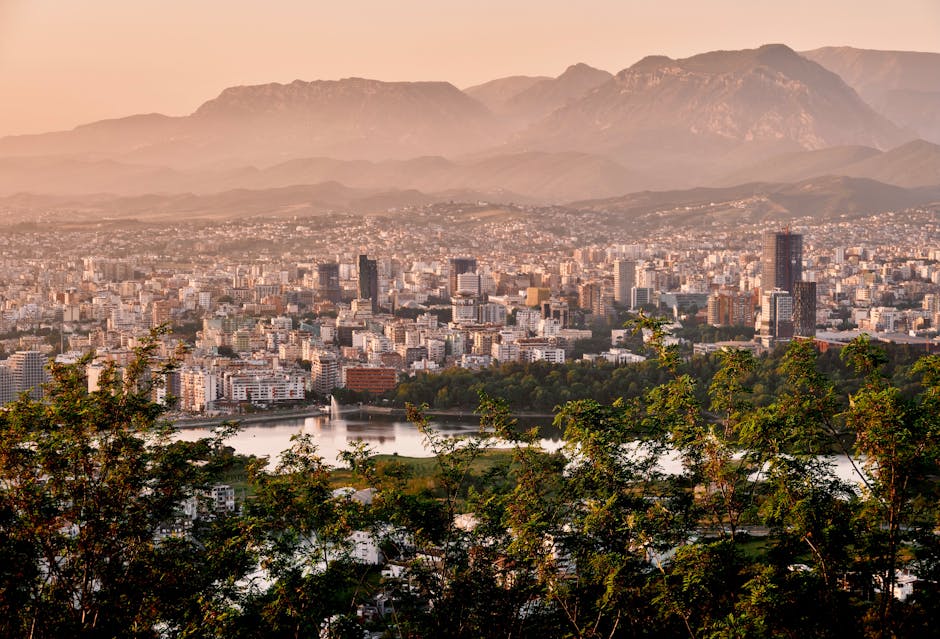
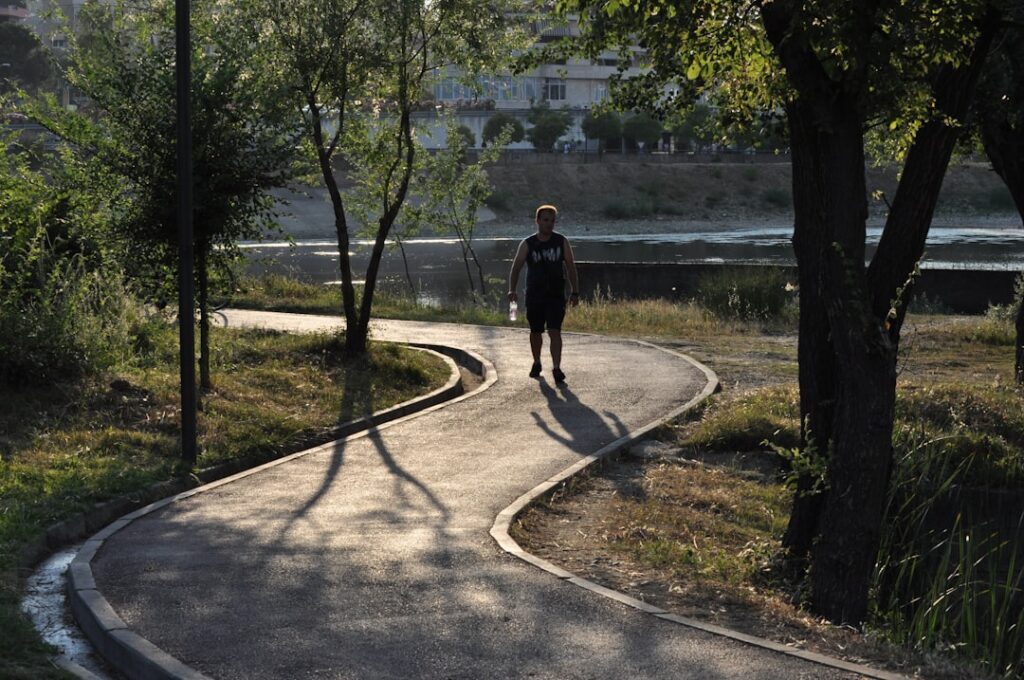
If tranquility, open space and easy access to nature are your priorities, Tirana’s outskirts — particularly around the Grand Park (Parku i Madh i Tiranës / Parku i Liqenit Artificial, Rruga e Liqenit, Tirana 1001) and the areas near Mount Dajti — are ideal. The Grand Park surrounds the artificial lake, with paths for joggers, lakeside cafés and the Tirana Zoo (Zoological Garden, Rruga e Liqenit, generally open 09:00–17:00, entry ≈ €2–4). The park itself is accessible 24/7; most activity happens early morning and late afternoon.
The ride up Mount Dajti on the Dajti Ekspres cable car (base station: Laprakë/Dajti Ekspres Station, Rruga Dajti area, round-trip tickets ≈ €6–8, seasonal hours often 09:00–17:00, extended in summer) gives sweeping views over the city and hiking trails. At the top, restaurants like Mali Restaurant (Dajti summit, dishes ≈ €8–20) let you dine with a view. Staying near the park or on Dajti’s slopes means waking to birdsong, often more spacious hotels and gentler prices: double rooms between €45–90/night in guesthouses or small hotels.
Transport and drawbacks: expect to take a taxi or bus to reach the center (taxi ∼€3–8, city bus ∼€0.40–0.50). For travelers with a car, parking is easier and cheaper. Local tips: rent a bike to circle the lake (rentals ≈ €5–10/day) or bring walking shoes for Dajti’s trails. If you want quiet and nature after a day of sightseeing, the outskirts offer the best tranquility-to-comfort ratio in Tirana.
3. Budget, safety and getting around: how to make the practical choice
Your budget will often decide between center and outskirts. In the center, expect typical rates: hostels and B&Bs ≈ €20–40/night, 3-star hotels ≈ €50–90/night, 4–5 star hotels ≈ €100–200/night. On the outskirts, small hotels and guesthouses often offer €35–80/night. Airbnb prices vary widely; in the center count on €50–120/night for a one- or two-bedroom apartment. Practical tip: compare total costs including transport and time. A cheaper hotel on the outskirts can end up costing more in taxis if you plan to go out a lot.
Safety: Tirana is generally safe, with a visible police presence downtown. Basic precautions apply: don’t flaunt valuables, keep an eye on belongings on public transport and prefer official taxis (numbered or app-based). The nightlife scene is friendly, but some less-frequented outskirts areas can be poorly lit.
Getting around: the city bus network is very cheap (ticket ≈ €0.40–0.50) but less convenient if you need frequent transfers. Taxis are plentiful; make sure the driver uses the meter (ask for the « taksimetra »). Local taxi apps and Bolt/TaxiJet work well. To explore beyond the city (or the Adriatic beaches), renting a car is useful; rentals ≈ €25–50/day depending on season.
Local tip: if you’re staying 3–5 days, base yourself in the center for 2–3 nights then move to the outskirts for 1–2 nights to combine culture and relaxation. Always book popular activities (Bunk’Art, Dajti Ekspres) in high season and check official opening hours before you go.
4. Practical itineraries based on your choice: 24 to 72-hour stays
If you choose the center (ideal for 24–48 hours): Day 1 morning: stroll Sheshi Skënderbej, visit the National Historical Museum (Muzeu Historik Kombëtar, Sheshi Skënderbej 4, 09:00–17:00, entry ≈ €3–5), then coffee at Toptani Shopping Center (Rruga Abdi Toptani). Afternoon: head to Blloku for lunch (Oda Restaurant, €8–18), then visit Bunk’Art 2 (Rruga Qemal Stafa or nearby Blloku address, entry ≈ €7–10, hours 10:00–18:00). Evening: cocktails in Blloku (≈ €6–10). Day 2: take an afternoon walk in the Grand Park (by bus or taxi).
If you pick the outskirts (ideal for 48–72 hours): Day 1: settle near the lake, walk around and rent a bike (€5–10/day). Day 2: ride the Dajti Ekspres up the mountain (tickets ≈ €6–8 round trip), hike and have a panoramic lunch (dishes €8–20). Day 3: make a day trip into the center for museums if needed (allow 30–40 minutes travel). This pace favors relaxation and nature, with a single city day.
Additional tips: check seasonal hours for Dajti Ekspres and Bunk’Art, avoid the hottest hours for hikes (opt for mornings or late afternoons), and carry both euros and lekë for small purchases (many places accept euros but give change in lekë). To get the best of both worlds, combine center and outskirts to enjoy culture, nightlife and green spaces.
Conclusion — Downtown or outskirts: what’s the best answer for Tirana?
There’s no one-size-fits-all answer to « downtown or outskirts in Tirana: where should you stay? » — it depends on your priorities. The city center around Skanderbeg Square and Blloku is perfect for travelers who want a packed schedule of cultural discoveries, museums (Muzeu Historik Kombëtar, Sheshi Skënderbej 4, entry ≈ €3–5), cafés, restaurants and nightlife. Accommodations and services are plentiful (Hotel Plaza Tirana, Rruga 28 Nëntori 1, ≈ €80–160/night) and logistics are simple: most things are walkable or a short taxi ride away.
On the other hand, the outskirts — around the Grand Park (Parku i Madh i Tiranës, Rruga e Liqenit) and the slopes of Dajti — appeal to those seeking calm, walks and open space, with often roomier and more affordable lodging (€45–90/night). Major attractions like the Dajti Ekspres cable car (tickets ≈ €6–8 round trip) deliver unforgettable moments away from the urban hustle. The downside: you’ll rely on taxis or buses to reach central museums and restaurants.
My practical tip: for a first visit of 2–4 days, split your time: 1–2 nights downtown for museums, dining and atmosphere, then 1–2 nights on the outskirts to relax in the Grand Park or ride up to Dajti. That will give you a full picture of Tirana — its urban energy and its green spaces. Finally, don’t forget the small logistical details that make a trip smoother — check museum hours (usually 09:00–17:00), book Dajti Ekspres in high season, prefer official taxis and carry some cash in euros and lekë. With these pointers, you’ll pick the location that best fits your travel style and come away with a complete, rewarding experience of Tirana.