





Introduction — Emergency care in Tirana: travel with peace of mind
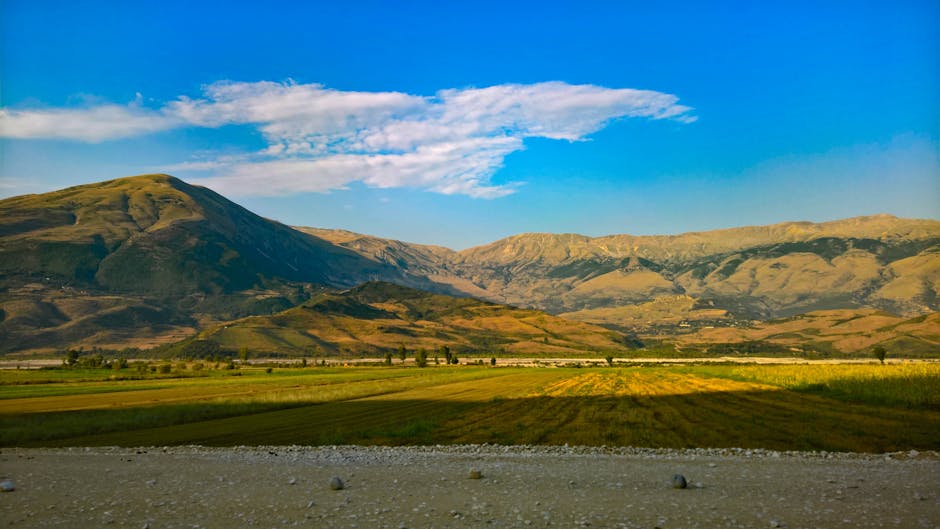
Visiting Tirana, Albania’s vibrant capital, is a feast for the senses — colorful streets, bustling cafés in the Blloku neighborhood, and green hills framing the city. With more and more European visitors arriving each year, it’s smart to be ready for medical surprises. This guide aims to give you practical, actionable information about emergency medicine in Tirana: where to go, how much it might cost, how to get there in an emergency, what different insurances cover, and simple precautions to lower your risks.
You’ll find an overview of public and private hospitals with full names, exact addresses (handy for GPS), typical emergency department hours, and ballpark cost estimates in euros. I’ve also included immersive descriptions so you know what to expect — for example, the vibe of a waiting room at night, whether English interpretation is commonly available, or how suitable a facility is for post-op care. You’ll get local tips on how to pay (cash vs card), useful phone numbers, and practical hacks for dealing with administrative hiccups.
This guide also covers pragmatic recommendations: what to pack in a travel first-aid kit tailored for Tirana, how to reduce infection risk while exploring the city, and what type of travel insurance to prioritize. Because emergency care outcomes depend as much on facilities as on personal preparedness, this article aims to give you everything you need to travel more confidently — no alarmism, just clear, concrete information to save time and reduce stress if you or someone traveling with you needs help. Image placeholders are included at visually relevant points to help you recognize the major locations.
1) Main hospitals and emergency centers — addresses, hours and costs
For life-threatening emergencies (major trauma, chest pain, loss of consciousness, heavy bleeding), head straight to an Emergency Department, which is usually open 24/7. Below are the most reputable facilities in Tirana, their addresses, typical hours and rough cost indications in euros.
-
Qendra Spitalore Universitare « Nënë Tereza » (University Hospital Centre « Mother Teresa »)
Address: Rruga Mustafa Qemal Stafa / Rruga e Durrësit, 1001 Tiranë, Albania (main entrance on Rruga e Durrësit).
Emergency hours: 24/7.
Description: The country’s largest public hospital with emergency services, general surgery, trauma, cardiology and maternity. It’s very busy, especially evenings and weekends. Expect crowded waiting rooms — bring patience and, if possible, a companion. Medical staff in main departments often speak English, but interpreter access can be limited.
Indicative costs: emergency consultation is free for residents covered by the national system; tourists may face administrative fees and charges for tests (imaging, labs) ranging from around €10 (administrative consultation) up to €200–600 depending on tests and procedures. Payment: cash (EUR/ALL) and cards are accepted in some departments. Bring a copy of your insurance. -
American Hospital Tirana (Private Clinic & Emergency Services)
Address: Rruga Abdyl Frashëri 1, Blloku area, 1001 Tiranë, Albania (check the sign at the entrance).
Emergency hours: private emergency services often operate 24/7 (call ahead if possible to confirm). Outpatient consultations: typically 08:00–20:00.
Description: A modern private clinic with English-speaking reception, shorter wait times and more comfortable facilities than public hospitals. A good option for travelers willing to pay for faster care and English-speaking staff.
Indicative costs: emergency consultation €50–120, X-ray €30–80, ultrasound €70–150, blood tests €20–80. Unplanned surgeries usually require a prior estimate. Credit/debit card payments are generally accepted. -
Sanatorium Hospital Tirana (Private Multispecialty Hospital)
Address: Rruga Bulevardi Zogu I, 1001 Tiranë, Albania (near downtown; check the boulevard entrance).
Emergency hours: 24/7 for emergencies; consultations 08:00–18:00.
Description: Private hospital offering orthopedics, surgery, cardiology and imaging. Popular among expats and visitors seeking more personalized care.
Indicative costs: emergency consultation €60–150, private room admission €120–300/night, surgical costs vary widely by complexity. Card payment is usually possible. -
Qendra Spitalore « USHT » – Medical Faculty / Specialized Services
Address: Rruga e Kavajës, Tirana 1000, Albania (specialty departments and university clinics are spread across the university area).
Emergency hours: depends on the department; some services operate 24/7 for emergencies. Specialist consultations by appointment 08:00–16:00.
Description: A university medical center hosting specialty services and outpatient clinics; useful when you need specialist opinion or scheduled surgery.
Indicative costs: variable — for visitors, expect €20–100 for a specialist consultation, with additional costs for tests.
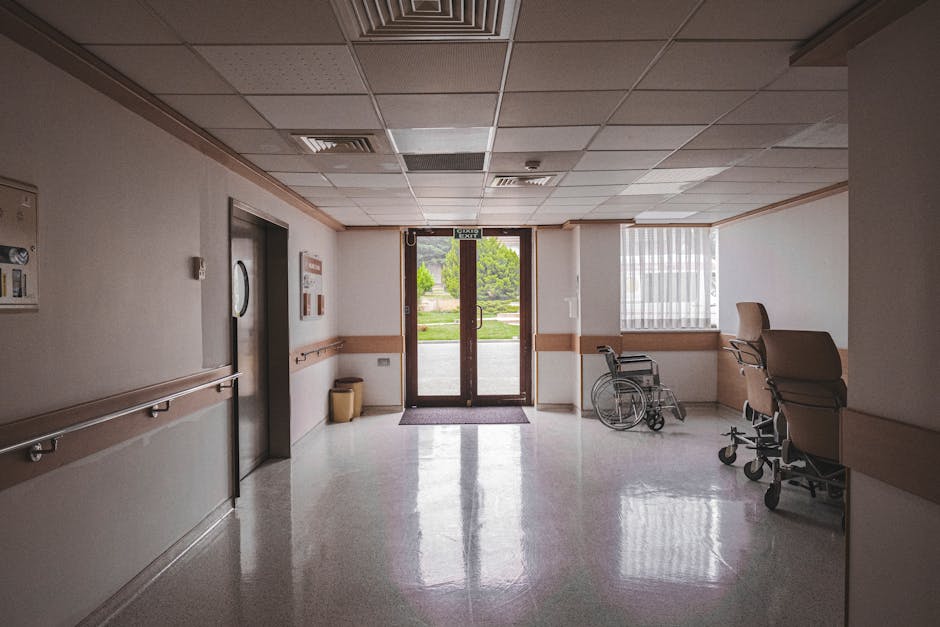
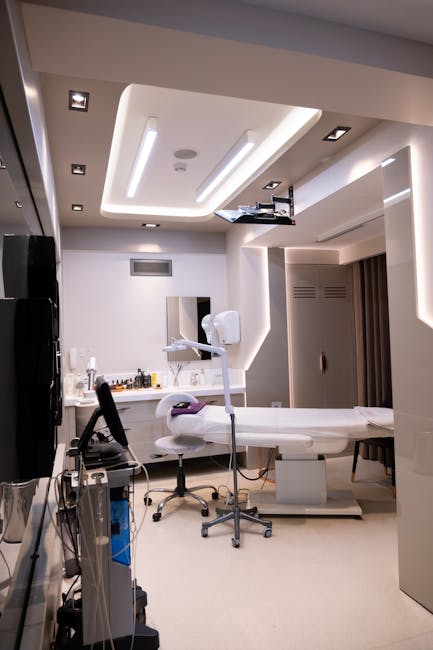
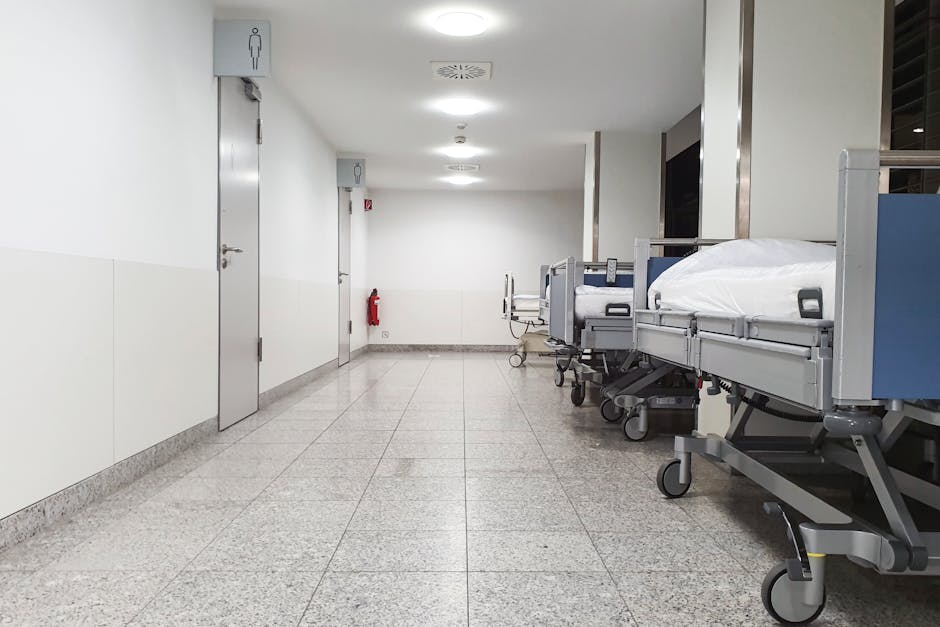
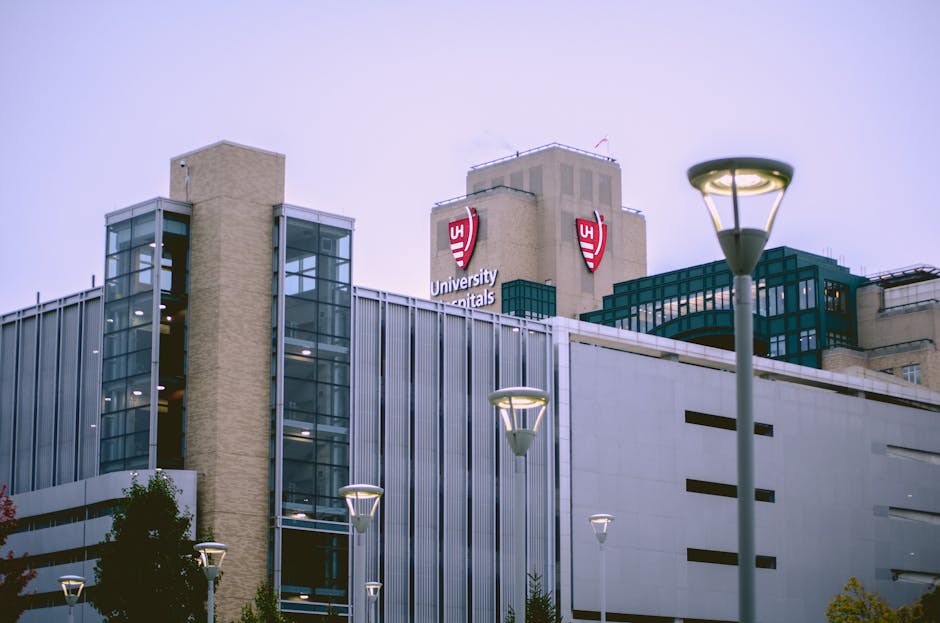
Practical tips: call the facility if you can before heading there to confirm the emergency entrance, current wait times and ambulance arrangements. Keep your embassy or consulate contact details handy — they can help with communication if you have specific needs. Also carry both paper and digital copies of your insurance card and passport — some private hospitals require a bank pre-authorization.
2) Ambulance, emergency numbers and transport to hospital
Knowing emergency numbers and transport options will save precious time in a critical situation. Emergency services in Albania vary in structure and response times by area. In Tirana, here are the main options and tips for using them efficiently.
-
National emergency numbers
– National emergency call: 112 (EU standard, operated 24/7). You’ll be connected to the right service (ambulance, police, fire).
– Public ambulance: requestable via 112. Urban response times are generally reasonable (about 20–40 minutes depending on traffic), but can be longer during peak hours.
Tip: clearly repeat the incident address, a nearby landmark (e.g. « Skanderbeg Square, near the National History Museum ») and the language you speak (English/French). -
Private ambulances
Several private hospitals and rescue companies provide paid ambulance services. Pros: sometimes faster response and direct transfer to the private clinic of your choice. Estimated cost for an urban transfer: €50–150 depending on provider and level of care (basic transport vs fully equipped ambulance). Some travel insurance policies cover this if you have an evacuation option. -
Taxi or ride-hailing apps
For non-life-threatening issues (minor injuries, persistent nausea) a taxi may be the quickest option. Tell the driver your chosen hospital (for example, « Qendra Spitalore Universitare Nënë Tereza »). Typical fare from the city center to a hospital during the day: around €3–7; prices can be higher at night or during an urgent trip. Local and international ride apps have good coverage in Tirana.
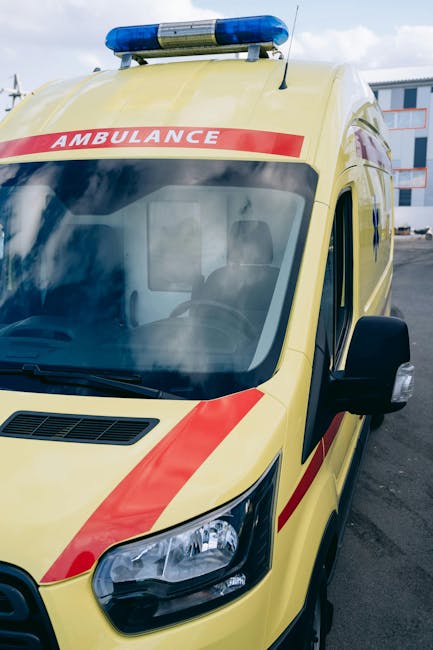
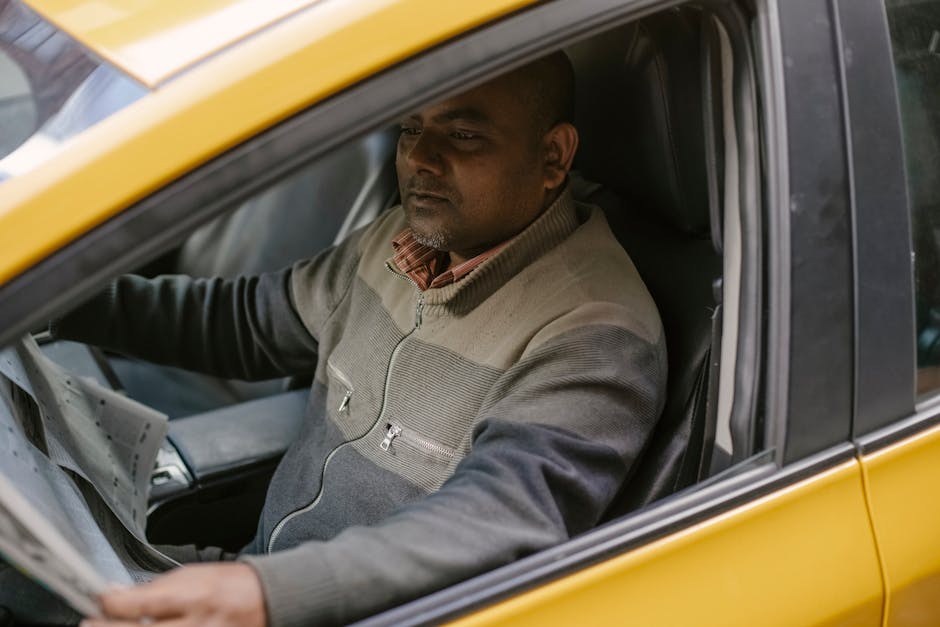
Practical points: if possible, ask your hotel receptionist to call an ambulance or taxi — hotels usually know exact addresses and speed up arrival. Note that public ambulances may request ID and medical information on arrival; keep a list of allergies and current medications ready. For activities outside Tirana (mountains or beaches), check local rescue response times — they are often longer.
3) Pharmacies, medicines, prices and regulations
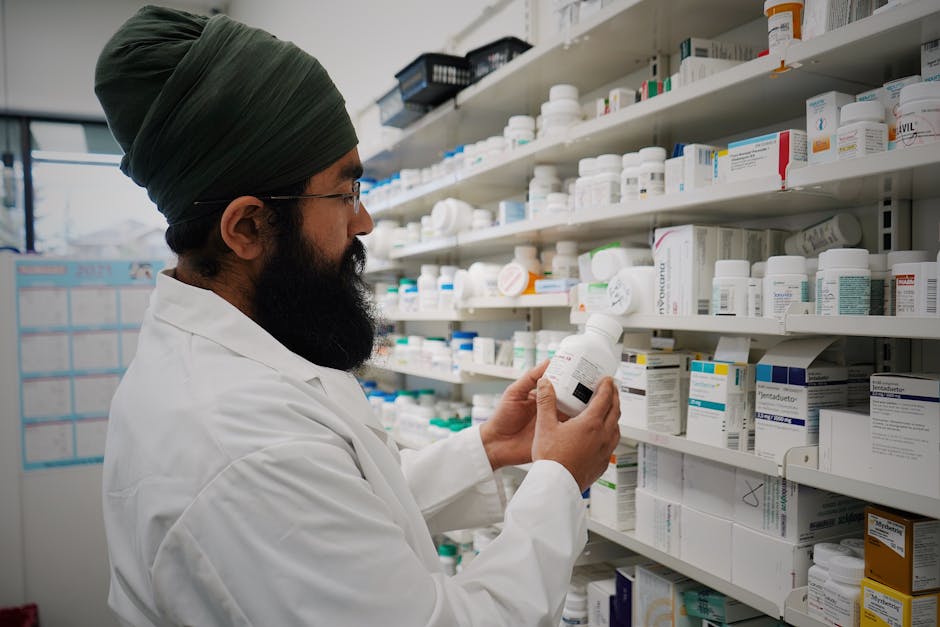
Pharmacies (« barnatore » in Albanian) are plentiful in Tirana and many stay open late in central neighborhoods. They’re the go-to for small ailments (pain relief, minor infections, digestive issues). Here’s what you need to know about buying medicine, availability and prices in euros.
-
Central pharmacy — Farmacia Centrale Tirana
Typical address: Rruga Tefta Tashko-Koço 22, 1001 Tiranë (example — several central pharmacies are located around Skanderbeg Square).
Hours: most open 08:00–20:00; some operate 24/7 (look for signs like « Farmaci 24 Ore »).
Products available: painkillers (paracetamol, ibuprofen), antibiotics (with prescription), dressings, antiseptics, oral rehydration solutions, allergy sprays, dermatological creams. Many common meds are sold over the counter; antibiotics generally require a prescription. -
Typical prices
– Paracetamol (20 tablets): €1–3.
– Ibuprofen (20 tablets): €2–4.
– Antiseptic (100 ml bottle): €1.5–4.
– Antibiotics (amoxicillin, box): €5–20 (prescription required).
– Dressings and bandages: €0.5–5 depending on size and quality.
– Skin cream (antifungal or corticosteroid): €3–15.
Payment: cash and cards accepted in most larger pharmacies. -
Regulations and advice
– Bring a prescription or a photo of it if you’re on ongoing treatment. Some brand-name meds may not be available; pharmacists can usually recommend a generic equivalent.
– Watch for drug interactions — ask the pharmacist about any risks between your regular meds and a new treatment.
– For severe allergies (anaphylaxis), check whether auto-injectable adrenaline (EpiPen) is available. These can be hard to find locally; at minimum ask which major hospitals stock them.
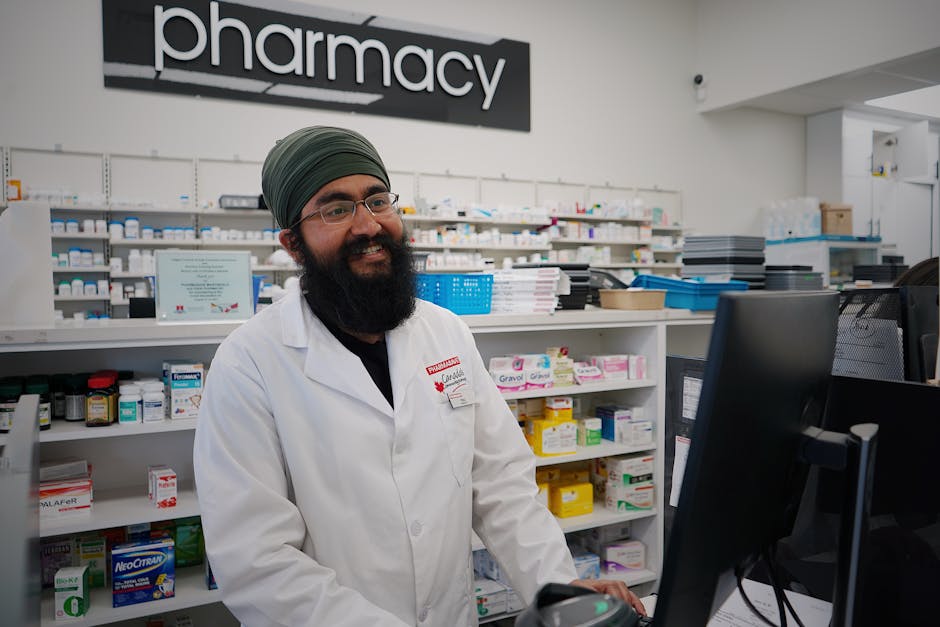
Local tips: always carry a small kit with paracetamol, ibuprofen, bandages, disinfectant and an anti-diarrheal. Hospital pharmacies sometimes stock more items but at higher prices. If you take long-term medication, bring enough for the trip plus a copy of your prescription and the generic names of your drugs.
4) Insurance, unexpected costs and administrative steps
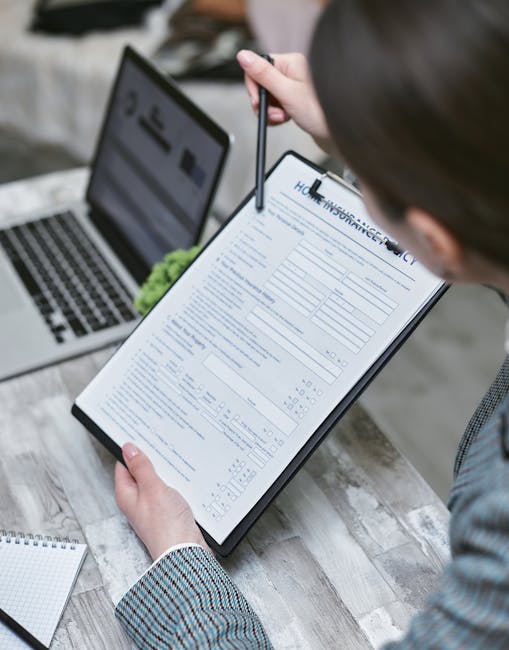
Checking your insurance before traveling to Tirana is one of the most important steps you can take. Differences between the European Health Insurance Card, private travel insurance and medevac coverage can greatly affect what you’ll owe in an emergency. This section clearly explains the options, likely costs and the administrative steps you should expect during and after treatment.
-
European Health Insurance Card (EHIC)
If you’re a citizen of an EU country, the EHIC covers emergency medical care to a large extent — but it doesn’t always cover private care or medical evacuation. In Tirana, public hospitals generally accept the EHIC for essential care, but it’s wise to expect some out-of-pocket expenses and to have supplemental insurance. Cost: the card is issued free by your national health authority. -
Private travel insurance and repatriation
A comprehensive travel policy that includes medical evacuation and repatriation is strongly recommended. Policies vary: a basic plan for a 1–2 week trip in Europe can cost €20–60 depending on your age and coverage; a premium policy with medevac, high medical limits (up to €100,000) and emergency dental coverage can cost €80–200 or more. Always check the per-incident limit, excess period and the claims process. -
Payment methods and billing
– Public hospitals: billing varies; tourists often need to pay upfront for tests and hospital stays. Keep all receipts for insurance claims.
– Private hospitals: commonly require a deposit or full payment for non-emergency procedures; in emergencies treatment begins but bills follow. International bank cards are widely accepted at private clinics.
– Reimbursements: insurance payouts can take from two weeks to several months depending on case complexity. -
Administrative steps if hospitalized
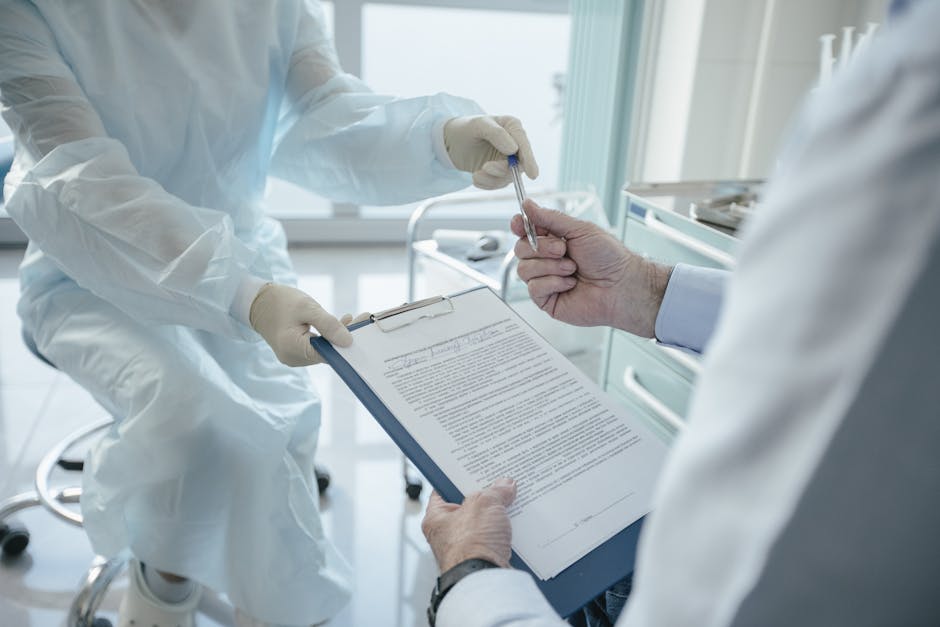
– Contact your insurer immediately to notify them — some insurers require prior approval for transfers or costly procedures.
– Inform your country’s embassy/consulate; they can assist with communication, offer medical referrals and, on rare occasions, recommend doctors who speak your language.
– Keep copies of all medical documents, prescriptions, test results, invoices and discharge summaries.
Final tip: before you go, scan and store your important documents in the cloud: ID, passport, insurance card and 24/7 insurer contact numbers. Print a medical information sheet in English and your native language listing allergies, medications and chronic conditions — give it to a travel companion or keep it in your wallet.
Conclusion — Travel calmly in Tirana with good preparation
Tirana is a rewarding destination, and a bit of medical preparation can turn a stressful incident into a manageable event. This guide covered the main public and private hospitals (with key differences), useful addresses and estimated costs in euros; emergency transport options (public ambulance via 112, private ambulances and taxis); how to obtain medicines locally; and administrative aspects linked to insurance and reimbursements. The goal is to reduce uncertainty and give you clear, quick actions to take if an emergency occurs.
Key takeaways: always carry copies of your insurance and passport, memorize 112 and the address of the nearest hospital, and pack a suitable first-aid kit. Opt for private hospitals if you want faster, English-language care — but expect higher costs. For serious conditions, public emergency services in Tirana (notably Qendra Spitalore Universitare « Nënë Tereza ») operate 24/7 but can be very busy; coordination with your insurer and embassy often makes a significant difference in care quality and speed.
With sensible preparation, a little caution during higher-risk activities (poorly marked hikes, swimming off unguarded beaches), and knowledge of local addresses and emergency numbers, you’ll be able to enjoy Tirana worry-free. Don’t forget to download offline maps, share your medical information with someone close, and keep a small reserve of euros for unexpected expenses. Safe travels — and if something happens, you now know the steps to get prompt, appropriate care.