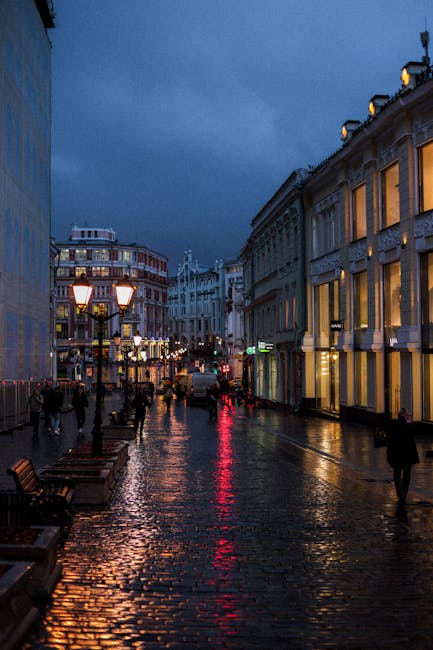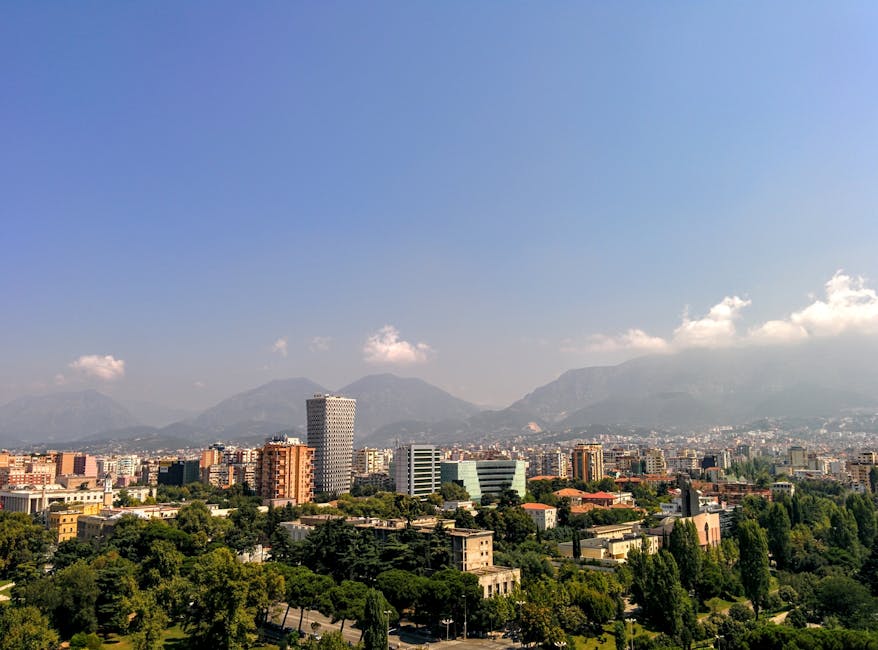






Introduction — Why explore Tirana on foot and by bus
Tirana, Albania’s capital, is a city where 20th- and 21st-century contrasts blend into a surprising urban landscape: colorful buildings, grand public squares, communist-era bunkers reborn as museums, peaceful parks and modern avenues. For the curious traveler, seeing Tirana on foot and by bus strikes the perfect balance between local immersion and efficiency: walking lets you feel the neighborhoods’ character, spot architectural details and enjoy spontaneous encounters, while the bus quickly covers longer distances, reaches outlying sites (parks, the Dajti cable car) and gives a glimpse of everyday life for the locals.
This detailed itinerary, designed to be doable in 2–4 days depending on your pace, focuses on simple routes, exact addresses, opening hours and prices in euros, plus practical tips. You’ll find walking circuits for the historic center, bus routes to major museums and attractions, and walk+bus combinations to make the most of public transport. The guide also covers logistics: where to buy bus tickets, how to identify stops, typical museum and café hours, and local hacks to save time (best time slots to avoid crowds, tasty alternatives, safety tips, etc.).
Tirana is also best discovered through its iconic places: Skanderbeg Square (Sheshi Skënderbej), Et’hem Bey Mosque (Rruga Murat Toptani), the National History Museum (Sheshi Skënderbej 1), Bunk’Art 1 (Bulevardi Dëshmorët e Kombit 67) and Bunk’Art 2 (Rruga Frosina Plaku 16), the Pyramid (Piramida e Tiranës), the Grand Park / artificial lake (Parku i Liqenit Artificial) and the Dajti Ekspres cable car. Each stop has its own story and atmosphere. Entry fees are generally modest: some religious sites are free, while specialized museums or attractions cost around €5–€10. City buses are very affordable — a single ticket costs roughly €0.40 — and let you optimize your time without giving up exploratory strolls.
In the sections below you’ll find four practical itineraries: a 100% walking route through the historic core, a bus route linking modern districts and bunker museums, a bus+walk combo including the Grand Park and the Dajti cable car, and finally a summary of practical tips, hours and prices. Each section includes exact addresses, prices in euros, indicative hours, immersive descriptions and local tips to experience Tirana like a resident. The visual markers 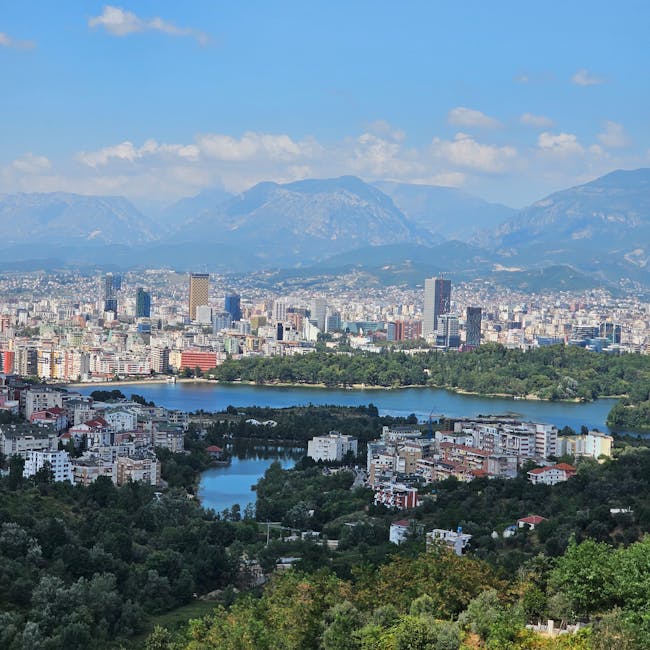 are placed at the most photogenic points to help you picture each stage before you go.
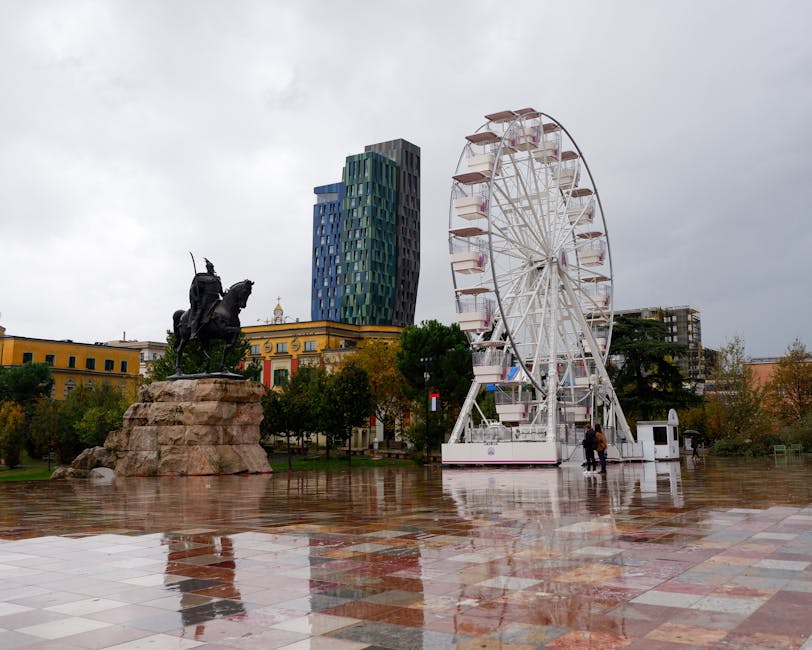
Walking route: historic core and museums (City Center)
Start your on-foot exploration in Tirana’s compact, very walkable historic center. Recommended starting point: Sheshi Skënderbej (Skanderbeg Square), the city’s vast central plaza. Exact address: Sheshi Skënderbej, Tirana 1001. Take time to admire the equestrian statue of Skanderbeg and the mosaic façade of the National History Museum (Museu Historik Kombëtar), located on the same square. Museum address: Sheshi Skënderbej 1, Tirana 1001. Hours: generally 09:00–16:00 Tuesday to Sunday (closed Monday). Price: around €2 (standard adult fare — allow a little extra for temporary exhibits).
From the square, walk to the Et’hem Bey Mosque (Xhamia e Et’hem Beut), right in the heart of the center: Rruga Murat Toptani, Sheshi Skënderbej, Tirana 1001. Visiting hours: 08:00–19:00 in season (may be closed during prayer times). Entry: free (donations appreciated). Inside you’ll find delicate frescoes and a striking contrast between the calm interior and the hustle of the square outside.
Continue down Murat Toptani and Rruga Ismail Qemali toward Pazari i Ri (New Bazaar). Address: Pazari i Ri, Rruga Taulantia, Tirana 1001. This renovated market offers stalls of fresh fruit, local products, traditional restaurants and cafés with terraces. It’s the perfect spot for a coffee break (traditional Turkish coffee around €1.20–€2) and to try byrek (savory pastry) for €1–€2 depending on size. Wander the lanes around the bazaar where murals and craft shops invite discovery.
Head on to the Pyramid (Piramida), address: Rruga Rrapo Hekali, Tirana 1001. Although the building is often under renovation or used for events, its communist-era architecture makes it a must-stop for photos. Then stroll along Bulevardi Dëshmorët e Kombit to the National Art Gallery (Galeria Kombëtare e Arteve), address: Rruga Qemal Stafa 26 (check local signs). Hours: 10:00–18:00, closed Monday. Price: often free or €1–€3 depending on the exhibition.
Walking tips: aim for Skanderbeg Square and the museum in the morning to avoid heat and crowds. Wear comfortable shoes — sidewalks can be uneven in renovated areas. For an authentic lunch, try tavë kosi (traditional baked lamb with yogurt) in a family-run restaurant near the bazaar (about €6–€10). Also check prayer times if you plan to visit the mosque interior outside of those slots.
Bus route: from modern districts to bunker museums
To expand your range, use Tirana’s urban bus network — cheap and fairly straightforward. Tickets: a single ticket is about €0.40 (roughly 40 lek), sold on board or at kiosks near main stops; rechargeable « Tirana Bus Card » options are available at some stations. Tip: always check with the driver whether the bus accepts cash tickets; carry small change. The most useful lines for tourists run along Bulevardi Dëshmorët e Kombit, Rruga e Durrësit (out toward the suburbs), and lines serving the bunker museums.
Start at the central terminus near Sheshi Skënderbej and catch a bus that runs along Bulevardi Dëshmorët e Kombit to reach Bunk’Art 1. Address: Bunk’Art 1, Bulevardi Dëshmorët e Kombit 67, Tirana 1001. Hours: 09:00–18:00 (closed Monday depending on season). Entry fee: about €7. Description: dug into a hill beneath the Ministry of Defense, Bunk’Art 1 is a massive bunker turned national museum documenting life under the communist dictatorship. In its tunnels and underground rooms the exhibition tells of everyday life, paranoia, repression and the structure of an isolated regime. The atmosphere is immersive, often cool (bring a light jacket) and emotionally powerful.
After Bunk’Art 1, take bus no. x (check local displays; several lines serve the area) toward Bunk’Art 2. Address: Bunk’Art 2, Rruga Frosina Plaku 16, Blloku, Tirana 1010. Hours: 10:00–17:00 (seasonal). Price: around €5. Description: smaller and more focused, Bunk’Art 2 centers on everyday life under the regime and the mechanisms of power. Located in the lively Blloku neighborhood (once reserved for communist elites, now a trendy area), it’s a great complement to Bunk’Art 1 without retracing too much ground on foot.
Blloku (around Rruga Ismail Qemali, Rruga Murat Toptani nearby) is worth a break: bars, cafés and stylish restaurants, plus shops by local designers. Best time for an aperitif: late afternoon, around 17:00–19:00. Average prices: cocktail €5–€8, main course €8–€15. Local tip: look for small hidden terraces down side streets for a cozier atmosphere and often lower prices.
Bus tips: validate your ticket as soon as you board. Main stops are marked with signs but ask the driver to call your stop if you’re unsure. The network can be crowded during rush hours (07:00–09:00 and 16:00–19:00); avoid these times for a more comfortable ride. To reach the waterfront or outer neighborhoods you may need to change lines; don’t hesitate to ask locals — many speak English and are happy to help.
Bus + walk combo: Grand Park, Dajti cable car and panoramic views
For a nature-filled, viewpoint-rich day, combine bus and walking to reach the Grand Park (Parku i Liqenit Artificial) and the Dajti Ekspres cable car. Recommended starting point: Sheshi Skënderbej — take a city bus heading to the Grand Park (Parku i Liqenit Artificial). Park address: Parku i Liqenit Artificial, Rruga Bulevardi Dëshmorët e Kombit, Tirana 1010. Hours: park open 24/7 (commercial areas and cafés open early, around 07:00). Activities: lakeside strolls (about 5 km of paths), bike or pedal boat rentals (seasonal), cafés with terraces. Prices: bike rental €3–€5/hour, pedal boat €4–€6/30 min.
From the park, take a bus or taxi to the base station of the Dajti Ekspres cable car at: Dajti Ekspres, Rruga e Dajtit, Tirana (base station). Cable car hours: 08:00–20:00 in summer; reduced hours off-season (check at the ticket office). Fare: about €6–€10 round-trip (adults). Description: the ride climbs roughly 4 km in a glass cabin, with views of the city then the surrounding valley. At the top, Dajti Mountain National Park offers hiking trails, traditional restaurants (menus around €6–€12), and panoramic terraces. Allow 2–4 hours at the summit depending on activities.
If you’re a hiker, an alternative is to get off one station before the summit and explore less-traveled paths. The top of Dajti delivers incredible panoramas: at sunset, the light gilds Tirana’s rooftops and creates dramatic silhouettes. Bring a jacket — it’s often 5–10°C cooler than in the city.
Return to the city by cable car, then a bus to the center. Buses between the cable car base and downtown run regularly during tourist season (every 20–30 minutes). Costs: bus €0.40, taxi to the center roughly €4–€8 depending on traffic. Local tip: for flexibility and speed, use a taxi app (Bolt or Free Now) — cheaper than in Western Europe and handy for making the most of sunset time.
Nearby park activities: visit the Presidential Palace (Pallati i Brigadave) nearby, or stroll the cafés in the Lapraka neighborhood. For photographers, favor morning or late afternoon for soft light; midday can be harsh and high-contrast.
Practical tips, hours, prices and local hacks to optimize your routes
Transport: city buses are cheap (single ticket ~€0.40). Tickets are usually bought on board (cash) or at kiosks; rechargeable cards are available at some stations and kiosks. Main tourist stops (Sheshi Skënderbej, Pazari i Ri, Bulevardi Dëshmorët e Kombit, Grand Park/Liqeni) are well served. Taxis are affordable: a typical city center ride €3–€6; for apps like Bolt or Free Now, set up an account and link a card. From the airport to the center expect €18–€25.
Safety and etiquette: Tirana is generally safe for travelers, even at night in tourist areas. As everywhere, watch your belongings, don’t flash large sums of cash, and prefer card or small change for buses. Respect places of worship (Et’hem Bey Mosque): dress modestly and remove hats if asked. Photography may be restricted in some museums — follow posted rules.
Hours: most museums open between 09:00 and 10:00 and close between 16:00 and 18:00, often closing on Mondays. Cafés and restaurants open early (08:00–09:00) and frequently stay open late (until 23:00 or midnight) in lively areas like Blloku. Natural attractions like the Grand Park or the Dajti cable car have seasonal hours — check before you go.
Indicative prices (seasonal — allow a margin):
– National History Museum (Museu Historik Kombëtar), Sheshi Skënderbej 1: ~€2.
– Bunk’Art 1, Bulevardi Dëshmorët e Kombit 67: ~€7.
– Bunk’Art 2, Rruga Frosina Plaku 16: ~€5.
– Dajti Ekspres cable car (round-trip): €6–€10.
– Bike rental at the Grand Park: €3–€5/hour.
– Meal in a local restaurant: €6–€15 per person.
– City bus ticket: €0.40.
Food tips: try Albanian specialties: byrek (€1–€2), tavë kosi (€6–€10), qofte (meatballs) (€3–€6), and baklava or kadaif for dessert (€2–€4). For coffee, traditional « kafe turke » or a local espresso are inexpensive (€0.8–€2). For quick, tasty options in the city center head to Pazari i Ri or the side streets of Blloku.
Photography tips: best light for photos is golden hour (sunrise and sunset) for Dajti views and the city’s colorful façades. For lively street photography, visit morning markets and Blloku terraces. Remember some museums ban flash.
Time-saving tip: split your stay into half-day themes — morning: historic center and museums; afternoon: Grand Park or Bunk’Art; late afternoon/evening: Blloku for dinner and nightlife. Buy or validate bus tickets early to avoid lines and confusion. Finally, download an offline maps app (Maps.me or Google Maps offline) and a ride-hailing app for faster trips.
Practical summary (maps and estimated times)
- Day 1 (on foot): Skanderbeg Square — National History Museum — Et’hem Bey Mosque — Pazari i Ri — Pyramid. Time to allow: 4–6 hours.
- Day 2 (by bus): Bunk’Art 1 (bus) — Bunk’Art 2 (Blloku) — evening in Blloku. Time to allow: 3–5 hours.
- Day 3 (bus + walk): Grand Park (morning) — Dajti Ekspres (afternoon). Time to allow: full day (4–8 hours depending on hikes).
- Time advice: build in buffers for museum visits (1–2 hours each) and meal breaks.
Conclusion — Tirana on foot and by bus: a flexible, rich urban journey
Tirana is a human-scaled capital where walking and buses complement each other perfectly. The city offers striking contrasts: Soviet-style squares and historic mosaics beside contemporary cafés in Blloku, colorful markets and rehabilitated bunkers. By prioritizing walking in the center you capture the city’s daily spirit; by taking the bus you extend your reach to thematic museums, parks and natural panoramas like Mount Dajti. Both modes are accessible, economical and respectful of the local pace.
For a successful stay follow a few simple rules: organize days by neighborhood to minimize travel, buy museum tickets or confirm hours in advance if possible, and keep small change handy for buses. Pack layers (a light base and a jacket for Dajti), comfortable shoes for cobbles and uneven sidewalks, and a power bank for navigating and photographing. Don’t be shy talking with locals — Tiranians are often warm and ready to share café tips, hidden alleys or local events that don’t always make guidebooks.
Finally, let yourself be carried by the variety of experiences: a morning coffee in a bustling bazaar, the sober emotion of an exhibit in a bunker, the calm of a lakeside walk, or a lively evening in Blloku. Tirana is best discovered at a measured pace and with an openness to history: walking here writes your own page in Albania’s urban story. Safe travels, and enjoy every street corner, panorama and conversation that will turn your visit into an authentic memory.