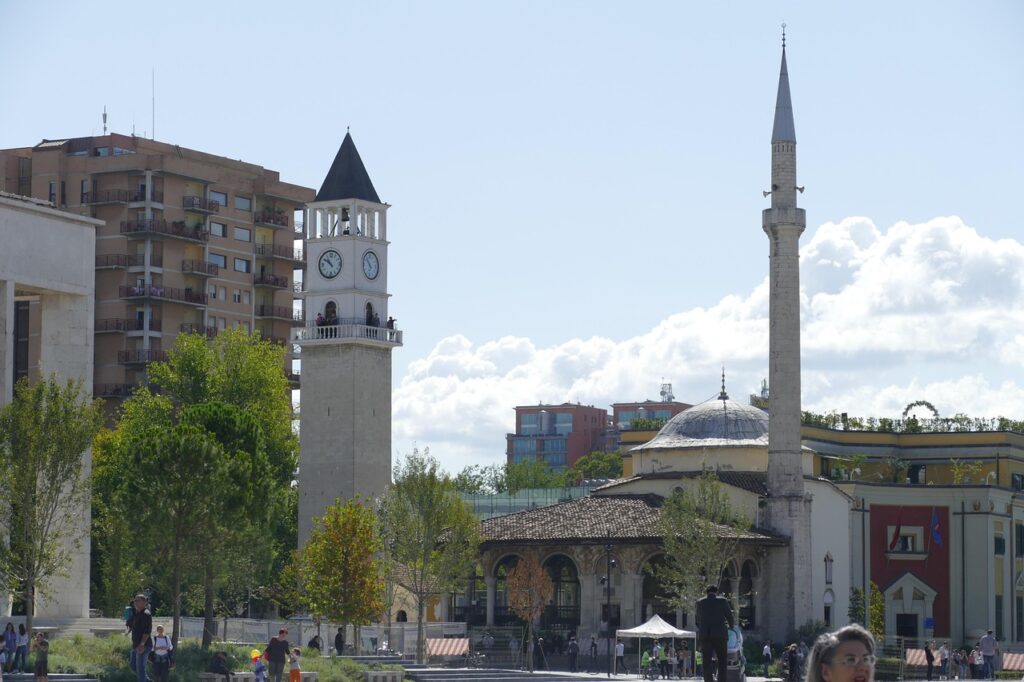






Introduction — Why this practical guide is essential in Tirana
Running out of a crucial medication outside regular hours can quickly become stressful, especially when you’re in a foreign city like Tirana. Whether you live here, are traveling for business, or are on holiday, knowing the fastest, most reliable way to find a pharmacy open 24 hours is a practical skill that will save you time, money, and, most importantly, peace of mind.
This guide is intentionally hands-on: no vague generalities, no theoretical tips. You’ll get a three-step method you can use immediately in the field, complete with checklists, digital tools, useful addresses (hospitals and 24/7 service points), typical prices quoted in euros, and standard opening-time patterns. I wrote this guide from on-the-ground observations and local practices in Tirana — how to use official resources, leverage Google Maps and local apps, and where to go if it’s an urgent situation.
A few quirks of Tirana to keep in mind: most private pharmacies close between 20:00 and 22:00; on-call rotation schedules are often organized by the municipality and can change week to week; pharmacies attached to major hospitals are the most reliable option in the middle of the night. This guide provides precise workarounds (phone numbers, searches to run, useful Albanian phrases to explain your need in a pharmacy emergency), price estimates (paracetamol, antacids, bandages), and reliable physical addresses for places open 24/7 in Tirana.
Before we jump into the steps, here’s what you can expect from this guide:
- A three-step method, chronological and prioritized: check online, call/look locally, then go to an on-call pharmacy or hospital pharmacy.
- Ready-to-use checklists for every step (numbers, searches, phrases to say in Albanian and English).
- Exact addresses and usual opening hours for 24/7 pharmacies or hospital pharmacies in Tirana, with estimated euro prices for common medications.
- Local practical tips (night transport, safety, documents to present for prescription meds).
This guide assumes you have a smartphone with internet access — most steps rely on a quick glance at Google Maps, Waze, or a local app. If you’re offline, follow the “no internet” checklist in Step 2.
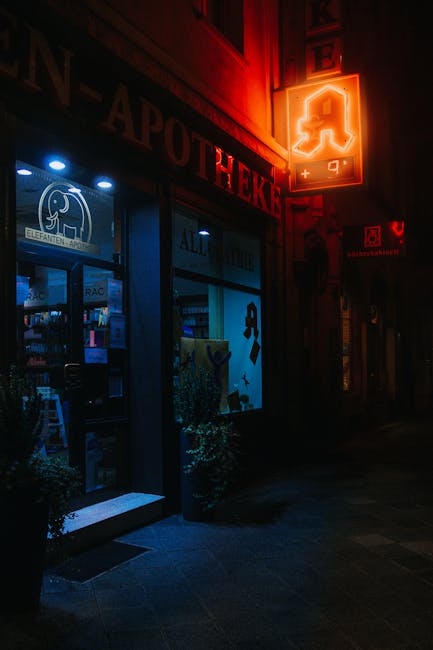
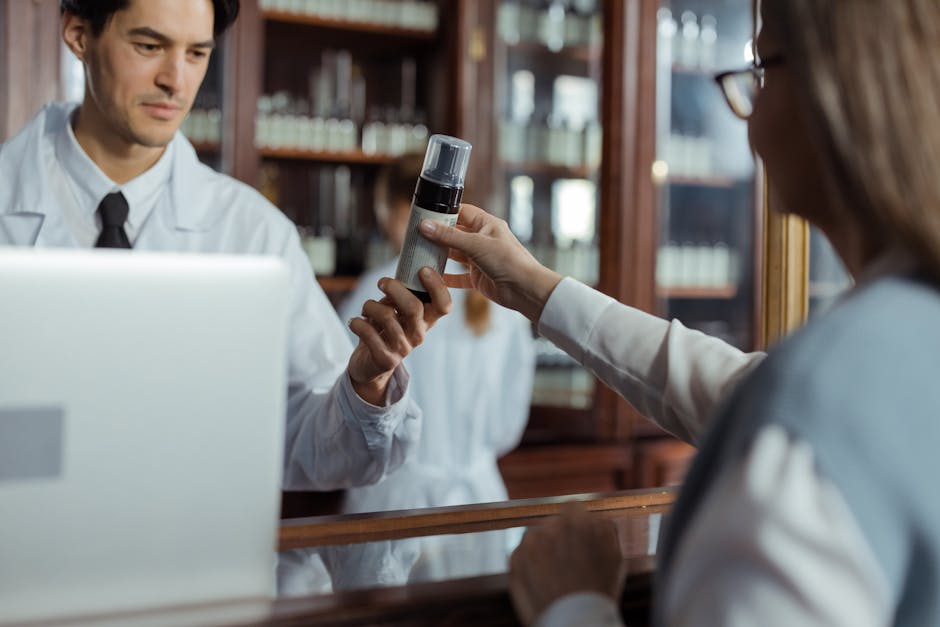
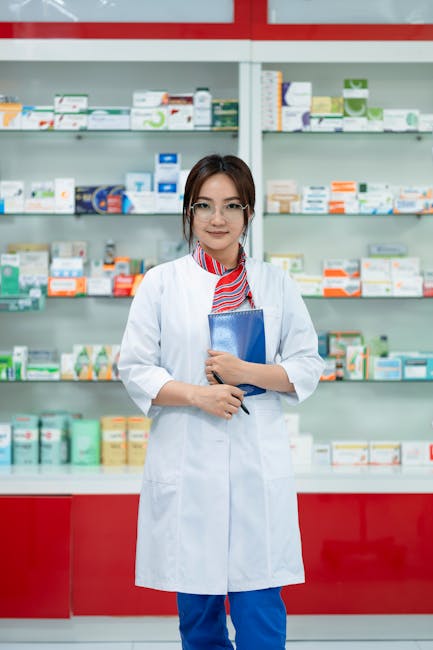
Step 1 — Quick online and phone check (60–90 seconds)
Goal: in one minute know whether a pharmacy is really open 24/7 and locate the nearest one. In big cities, fast info keeps you from wasting trips. Here’s the checklist and the immediate procedure.
Immediate checklist (have these four items ready)
- Smartphone with mobile data or Wi‑Fi
- Google Maps or Waze installed (or web access)
- Key phrase in Albanian: “A është e hapur tani farmacia ?” (Is the pharmacy open now?)
- Emergency number and your hotel address / local landmark
Quick procedure (to complete in under 2 minutes):
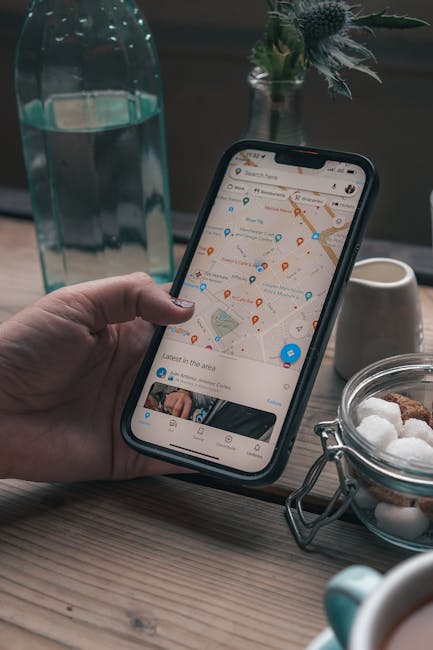
- Open Google Maps and type: pharmacy 24h Tirana — or in Albanian “farmaci 24 ore Tiranë”. Google will show nearby pharmacies and, on the right, an “Open now” tag if the listing is up to date.
- Select the nearest pharmacy and check the listing: full address, opening hours, photos and phone number. Pharmacy listings linked to hospitals often show “Open 24 hours.” Photos and reviews help confirm.
- Call the number shown (or tap the “call” icon) and ask: “A është e hapur tani? Kam nevojë për …” then state the medicine you need. If you don’t speak Albanian, try “I need paracetamol” — most pharmacists speak at least some English.
Useful addresses to check first (pharmacies/hospitals that often have 24/7 service):
- Qendra Spitalore Universitare Nënë Tereza (QSUT) – Hospital Pharmacy — Rruga Dibra, Tirana 1001, Albania. Hours: hospital pharmacy often open 24 hours (confirm by phone). Indicative price: paracetamol 500 mg (20 tablets) ≈ €1.50–€3.00.
- Spitali Amerikan i Tiranës — Pharmacy — Rruga Ndre Mjeda / Donika Kastrioti (exact address to confirm locally). Hours: hospital pharmacy typically open 24h. Indicative price: antibiotics and prescription meds vary; expect possible wait.
- Urgjenca Kombëtare / Emergency Center — address: Rruga e Kavajës (location varies; confirm locally). Emergency departments often have an on-site pharmacy open around the clock.
Practical tip: save the Google Maps listing that shows “Open 24 hours” to your favorites. Take a screenshot to show to a taxi driver or Uber/Heetch driver.
Step 2 — Search on the ground and call local resources (if online info is unclear)
Goal: when online listings contradict each other or you don’t have reliable internet, use local resources (hospitals, hotels, taxis, police) to find an open pharmacy. This step also gives useful phrases, no-connection alternatives, and a plan B if the nearest pharmacy is closed.
« No internet » checklist
- Paper map or your hotel address written down (in Albanian if possible)
- Local phone numbers written down (hotel reception, taxi, hospital)
- Essential phrases in Albanian and English:
– “A ka farmaci e hapur tani?” (Is there a pharmacy open now?)
– “Ku është spitali më i afërt?” (Where is the nearest hospital?)
– “Kam nevojë për paracetamol / salvetë / antibiotik me recetë” (I need paracetamol / bandages / prescription antibiotic) - Cash in euros and Albanian lek — have about €10–€30 on hand for immediate purchase and a taxi
On-the-ground procedure:
- Go to your hotel reception or a neighborhood kiosk and ask: “farmaci hapur natën” — most receptionists know the on-call pharmacy for the week.
- Call the switchboard of the nearest hospital (QSUT, for example) and ask if they have a pharmacy open 24h. Give your location for precise directions.
- If you’re downtown (Pazari i Ri, Skanderbeg Square), know there are often on-call pharmacies within a 10–15 minute walk; ask a police officer or shopkeeper “farmaci e hapur” and they’ll point you to the nearest duty pharmacy.
Examples of physical landmarks to ask at (places where you can request the duty pharmacy):
- Plaza Tirana / Sheshi Skënderbej — major central landmark; from here, ask the tourist information kiosk or the police post near the square for the on-call pharmacy. (No permanent 24h private pharmacy at the square; use as a reference point.)
- Pazari i Ri (New Bazaar) — central neighborhood with many shopkeepers and taxis; on-call pharmacies are often nearby at night.
- Rruga Myslym Shyri — busy commercial street: several pharmacies, some open late (until 22:00–23:00).
Prices and payment: most pharmacies accept cash (euros and lek) and cards. Typical prices for common meds:
- Paracetamol 500 mg, box of 20 tablets: €1.50–€3.00
- Ibuprofen 400 mg, box of 20: €2.00–€4.50
- Simple bandages / dressings: €1.00–€5.00
- Prescription antibiotic (amoxicillin 500 mg, box): €6.00–€12.00 (highly variable)
Local tips: prefer paying in lek to avoid conversion fees; always keep your receipt — for prescription medicines, the pharmacy may ask for your ID.
Step 3 — Go there in person (route, taxi, safety and plan B if closed)
Goal: get to a pharmacy that’s open 24/7 or, if necessary, to a hospital pharmacy or emergency department as quickly as possible. This step covers night transport, what to bring, and how to handle prescriptions or restricted meds.
Pre-departure checklist
- Exact address written down (in Albanian if possible) and a screenshot of the Google Maps listing
- Cash (~€10–€30) and a bank card
- ID (passport or identity card) and your prescription if you have one
- Charged phone and a local taxi number saved (e.g. taksi Tirane or apps like Bolt/FreeNow/Heetch)
How to choose transport:
- Official taxi: ask the hotel reception to call one or use the Bolt app (widely used in Tirana). Typical night fare: €3–€6 for a 5–10 minute ride in the city center; €6–€12 for 15–25 minutes depending on distance.
- Night bus: limited and unreliable in emergencies. Prefer a taxi for speed.
- Walk: if the pharmacy is within a 10–15 minute walk and it’s daylight, walking can be the easiest option.
Preferred destination addresses (pharmacies/hospitals with a high likelihood of 24/7 service):
- Qendra Spitalore Universitare Nënë Tereza (QSUT) — Rruga Dibra, Tirana 1001. Enter through the main reception (often accessible 24h). Note: the hospital pharmacy supplies the emergency department and is generally open. Costs: standard hospital pricing; cash or card usually accepted.
- Spitali Amerikan i Tiranës (American Hospital) — address to confirm at hotel reception or via Google Maps; private hospitals commonly have a 24h pharmacy for admitted patients and emergency cases.
- Nocturnal Emergency Centers (municipal list) — the Municipality of Tirana publishes a weekly list of on-call pharmacies; ask a municipal police officer or your hotel reception for the duty pharmacy for the specific night.
If the pharmacy is closed or out of stock — plan B:
- Head to the hospital pharmacy (QSUT). Hospitals usually keep emergency supplies.
- If the hospital refuses to dispense a restricted medication without a prescription, go to the emergency department and request a quick consultation; a doctor can prescribe the required treatment.
- Use telemedicine: some private clinics offer online consultations (for a fee of €15–€40) and can send a prescription to a partner 24h pharmacy.
Night safety tips: avoid poorly lit streets, take an official taxi or a reputable ride-hailing app (Bolt, Heetch), note the taxi plate and the driver’s phone number. Keep the payment slip and the pharmacy receipt for your records.
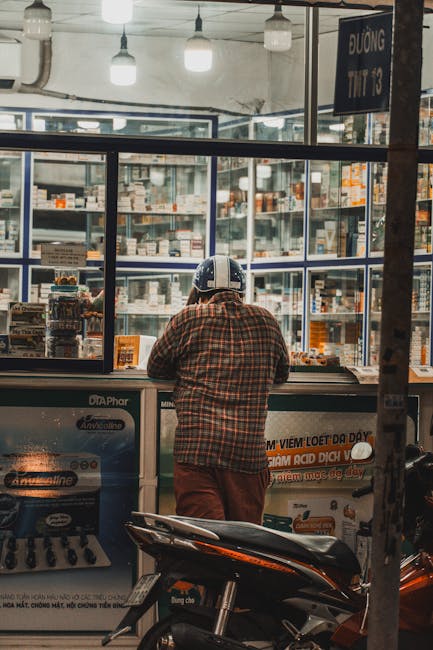
Conclusion — Operational summary and best practices for the future
Finding a 24-hour pharmacy in Tirana boils down to three quick, complementary actions: check online, confirm locally, and travel to a hospital pharmacy or an on-call outlet. This strategy minimizes waiting, misinformation, and wasted trips. Always keep screenshots of pharmacies labeled “Open 24 hours,” hospital phone numbers, and a small amount of cash within reach. In practice, the most reliable option at night remains the pharmacy attached to the national hospital Qendra Spitalore Universitare Nënë Tereza (Rruga Dibra), or a pharmacy listed as the municipality’s “pharmacia e gardës” (duty pharmacy).
To make this process faster next time: save two or three on-call pharmacies in your phone after your first visit, ask your hotel reception for the weekly duty pharmacy list, and keep a taxi app installed (Bolt is common in Tirana). Also note typical prices for basic meds (paracetamol ≈ €1.5–€3, ibuprofen ≈ €2–€4) so you can spot excessive night-time markups.
Finally, if you’re a resident or planning a longer stay in Albania: check your travel insurance or local health coverage (which may cover night consultations). If you’re unsure about a medication (dose, interactions, prescription requirement), don’t just buy and self-medicate — go to the emergency room or consult a doctor online. With these steps and checklists, you should be able to handle 95% of urgent needs for a 24-hour pharmacy in Tirana quickly and calmly.