





Introduction: Why this practical guide on riding the bus in Tirana
Tirana, Albania’s lively capital, is easy to get around by bus—if you know where to go, which schedules to trust, and a few local tricks. This practical guide is aimed at travelers who want to hop on quickly without wasting time, avoid common mistakes (wrong ticket, wrong stop, peak-hour crowds) and save money. You’ll find step-by-step instructions, exact addresses, prices converted to euros, and ready-to-use checklists to print or save on your phone.
Tirana’s public transport includes municipal buses (main lines), private minibuses often called “furgon,” and intercity services from the main bus terminal. The big advantage: most tourist spots—Skanderbeg Square (Sheshi Skënderbej), the Blloku, the National History Museum, and the artificial lake area—are served by several lines. The challenge: official information isn’t always clearly posted at stops, some drivers don’t speak English, and electronic payments aren’t universal.
This guide helps you: identify official stops, buy the right ticket, read a route map, know how much each trip costs in euros, which schedules to follow, and how to handle luggage. You’ll also get exact addresses: where to buy a card or ticket book, the main terminal address for intercity trips, and landmarks to orient yourself. Tips cover safety, using local apps (Google Maps & Moovit), and avoiding peak-hour crushes.
Before boarding, read the « ready-to-board » checklist further down and follow the numbered steps for each situation: urban bus, furgon, or intercity departure. This guide focuses on the immediate: you’ll know exactly where to go, what to pay (in euros), and which doors or platforms to use. The schedules shown reflect typical times in 2025; keep in mind temporary changes can happen during festivals, public holidays or roadworks. Safe travels—and welcome to Tirana!
Section 1 — Where to catch the bus in Tirana: stops, terminals and exact addresses
Knowing official departure points is key. Here are the most useful spots, with exact addresses and visual cues to help you find them. These locations cover both urban and intercity departures. If you’re heading to another Albanian city (Durrës, Shkodër, Elbasan), use the intercity Terminal listed below.
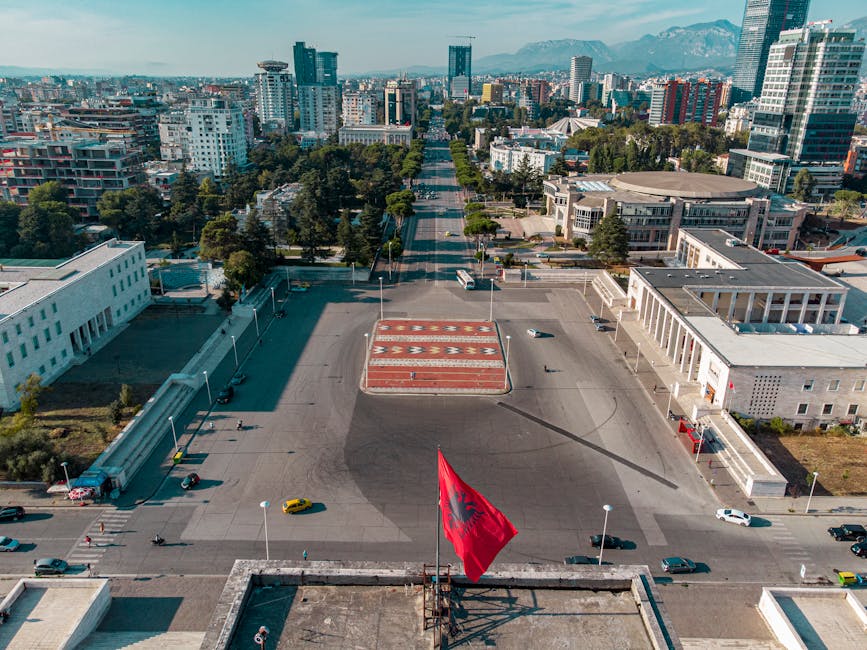
- Skanderbeg Square (Sheshi Skënderbej) — Address: Sheshi Skënderbej, Tirana 1001, Albania. Central point: several urban lines stop around the Skanderbeg monument. Landmark: the large pedestrian square and the Clock Tower.
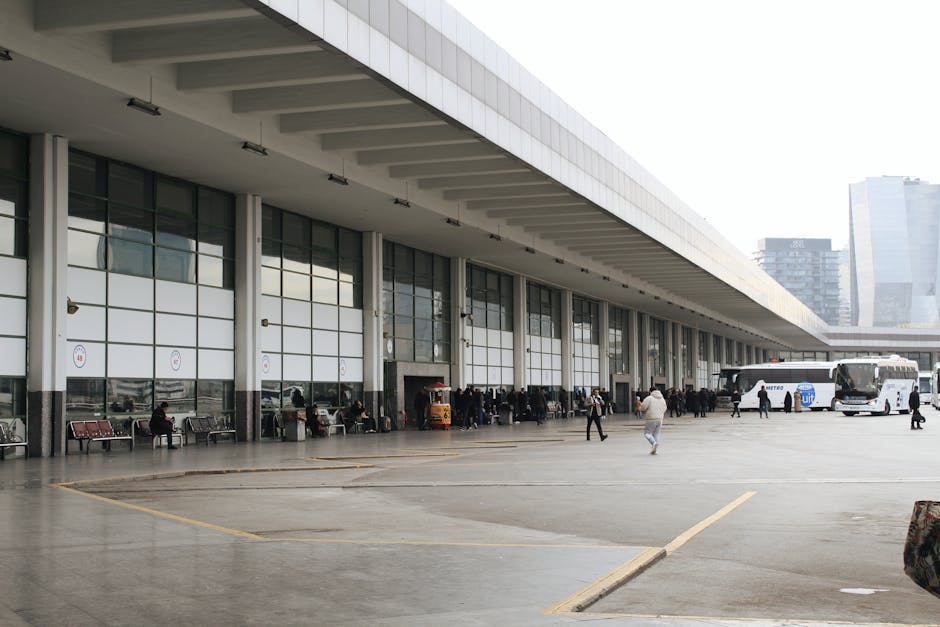
- Terminali i Autobusëve Tiranë — Main bus terminal (intercity) — Current address: Rruga e Kavajës 36, Tiranë 1001, Albania (search for « Terminali i Autobusave Tiranë » on Google Maps). This terminal gathers buses to the rest of the country. Ticket desks usually open 06:00–22:00.
- Rruga e Dibrës / Pazari i Ri area — Address: Rruga e Dibrës, Tirana. Several stops along this artery serve the northeast of the city and suburbs. Landmark: the Pazari i Ri market (old bazaar).
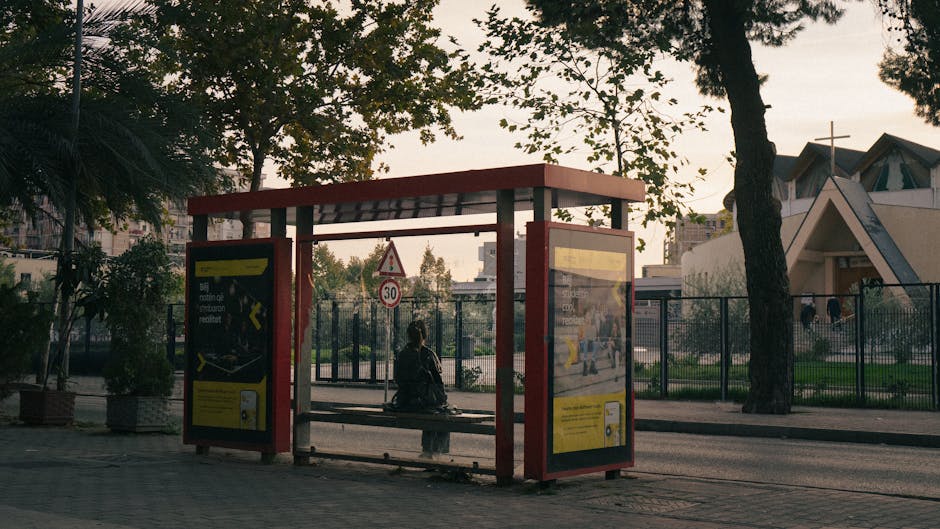
- Rruga Myslym Shyri / Blloku — Address: Rruga Myslym Shyri, Tirana. Ideal for accessing the lively Blloku neighborhood with its cafés and restaurants. Frequent stops for lines 5, 6, 7 (verify locally).
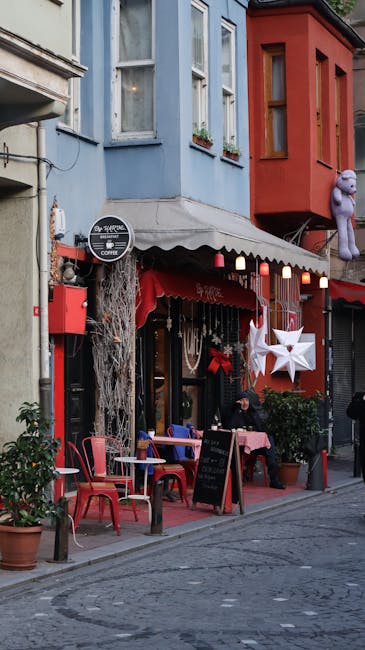
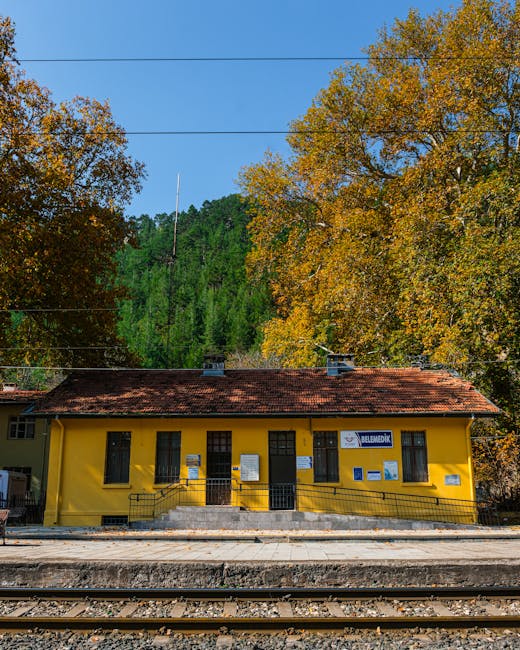
- Train Station / Terminal near the railway — Address: Rruga Muhamet Gjollesha 2 (near the rail complex). Some suburban buses or taxis depart here.
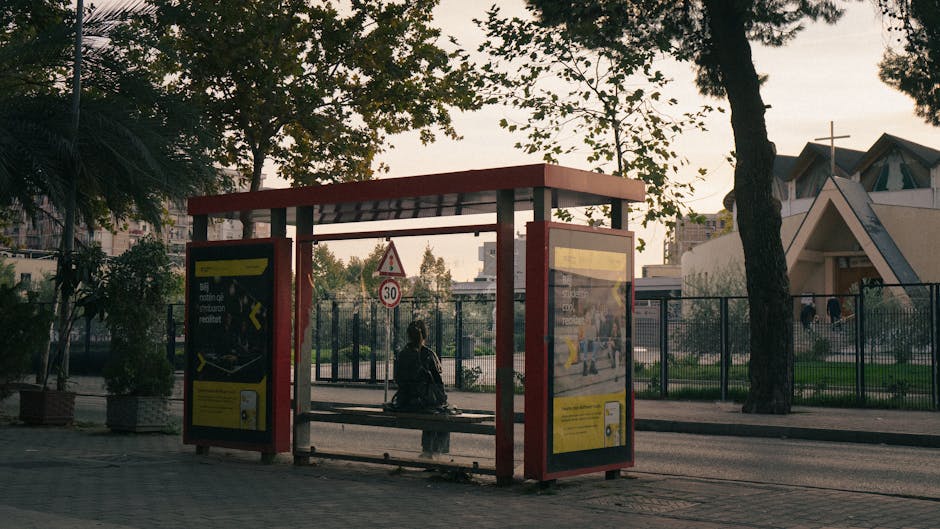
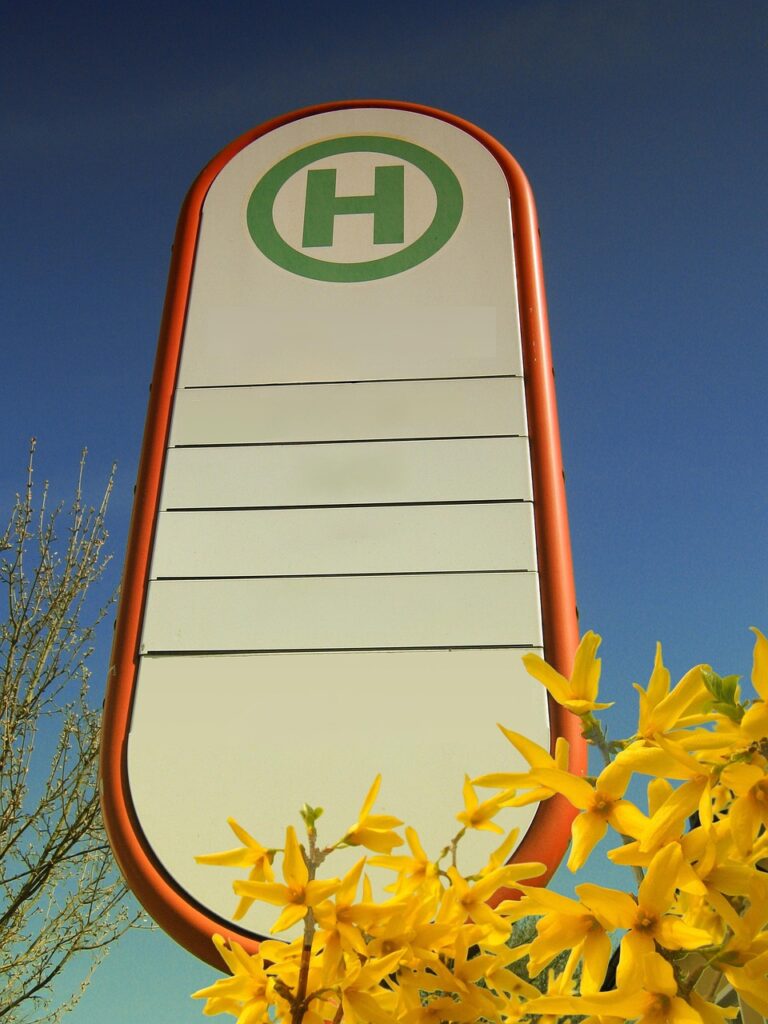
Practical tip: look for the sign that shows the line number (Arabic numerals, e.g. « Nr. 6 »). If you only see a small pole with no timetable, snap a photo and ask a nearby shopkeeper. Official stops are marked by a green or white plaque, sometimes without a shelter.
Section 2 — Tickets and payments: how to buy, prices in euros and options
Buying a ticket in Tirana is straightforward but varies by bus type: urban (municipal), private minibus (furgon) or intercity. Here’s how to proceed, where to buy, average prices in euros and electronic alternatives.
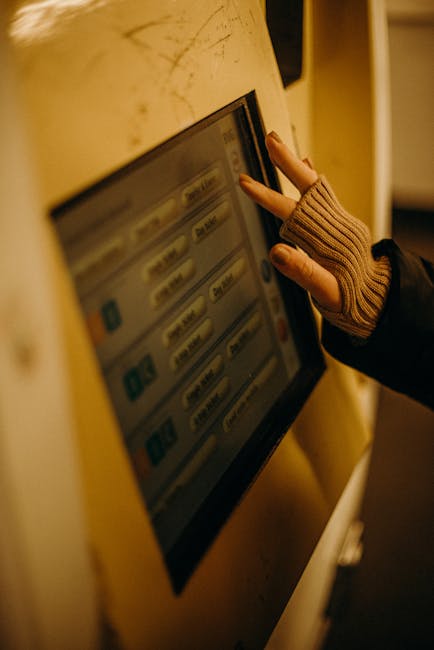
1) Urban tickets (short trips, municipal buses)
– Where to buy: pay the driver when boarding (cash). Sometimes sold at kiosks near main stops (Skanderbeg Square, Terminali i Autobusëve).
– Indicative price: 40–50 ALL = around €0.35–€0.45 per ride. (Indicative conversion: 1 EUR ≈ 120 ALL; check the exact rate).
– Method: cash (lek or small coins); some drivers may accept euros (rare). Best to carry €0.50 in cash to round up if needed.
– Ticket: often a paper stub or just verbal validation (driver says « 0.4 euro »). Keep the ticket until you get off.
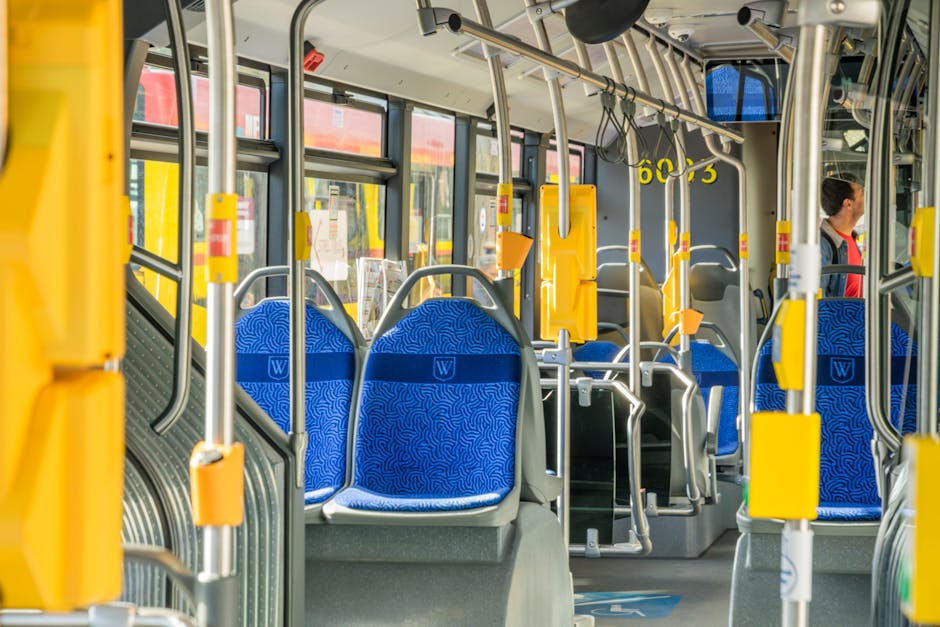
2) Minibus “furgon” (private lines, urban and suburban trips)
– Where: unofficial stops, in front of cafés, and along main roads (Rruga e Dibrës, Rruga Kavajës).
– Price: 50–80 ALL = €0.45–€0.70 depending on distance. Pay cash to the driver.
– Advantage: higher frequency, sometimes faster outside peak hours. Drawback: less space for luggage, no official timetable posted.
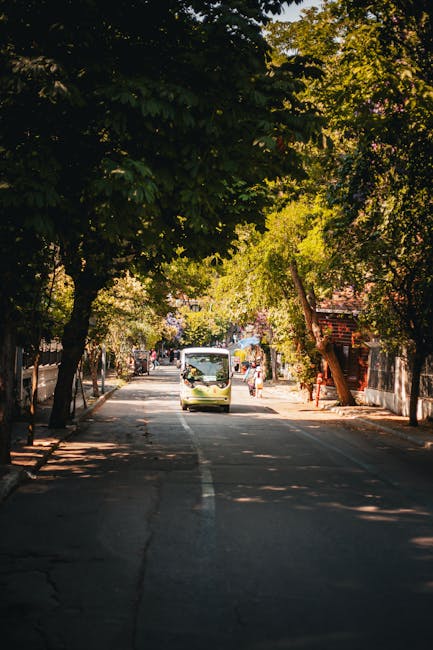
3) Intercity buses (Tirana → Durrës, Elbasan, Shkodër)
– Where: Terminali i Autobusëve Tiranë (Rruga e Kavajës 36).
– How to buy: ticket counters at the terminal, private agencies, or online on company websites (when available).
– Indicative prices (examples): Tirana → Durrës: €2.50–€3.50; Tirana → Elbasan: €3–€5; Tirana → Shkodër: €6–€8. Prices vary by operator and season.
– Timetable: frequent departures in the morning 05:30–09:30 and returns 16:00–20:00; generally services run 06:00–22:00. Check the departure board at the terminal.
4) Cards and passes
– Monthly cards or multi-ride booklets exist locally but aren’t universal. Ask at the municipal kiosk « Bashkia Tiranë » or at the urban transport office. Approximate monthly pass price: €10–€25 depending on zones (confirm on site).
– App payments: Google Pay and Apple Pay aren’t widely accepted for buses; cash is safer.
Section 3 — Step-by-step for a typical urban trip (how-to)
Follow these exact steps to take an urban bus in Tirana from Skanderbeg Square to the Blloku neighborhood or the Artificial Lake.
- Locate the exact stop: at Skanderbeg Square head to the northeast side of the square (near the National History Museum). Look for the pole that lists line numbers. Photograph the pole to confirm.
- Check the line number: use Google Maps or Moovit: type your destination (e.g. « Blloku, Tirana ») and see the recommended line (e.g. No. 6, No. 7). These apps show approximate frequencies and stops.
- Wait in the right spot: stand in front of the shelter or pole; drivers will stop if there’s a visible waiting passenger. Buses won’t always stop if nobody is waiting.
- When the bus arrives: signal clearly to the driver (raise your hand or call out). Confirm the destination by saying the neighborhood name in Albanian (« Blloku ») or show the address on your phone.
- Payment: hand the exact fare (€0.40–€0.50) to the driver. If you receive a paper ticket, keep it. If payment is verbal, keep a photo of the line number and time for any dispute.
- Board quickly: stow your backpack in front of you to let others pass. If you have large suitcases, prefer an intercity bus from the main terminal.
- Watch your stop: follow along on Google Maps in real time; local announcements may only be in Albanian. Signal ahead of time to the driver to get off (press the bell or say « stacion »).
Checklist « Ready to board »:
- ID/itinerary on your phone
- Cash: €0.50 in small coins
- Photo of the stop / line number
- Headphones and a secure bag (avoid pickpockets)
- Time buffer: +10 minutes compared to your schedule
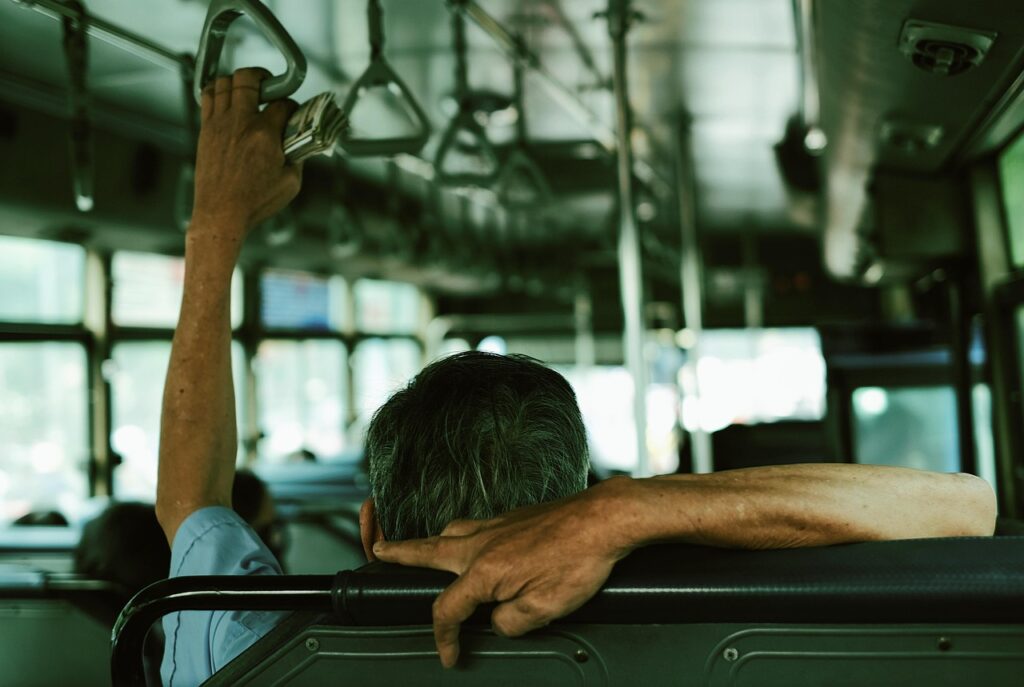
Section 4 — Local tips, safety, precise schedules and common issues
These tips come from local observation: how to avoid pitfalls, handle rush hours, and what to do if the bus is full or you miss a connection.
General schedules:
– Regular urban hours: approx. 05:30–23:00 (weekdays). Frequency: every 8–20 minutes during the day depending on the line.
– Weekends: services often reduced, roughly 06:00–22:00 with lower frequency.
– Intercity services from Terminali i Autobusëve: 06:00–22:00, with some early buses at 05:30 and the last departures around 23:00. Always confirm on the terminal’s departure board.
Safety and comfort:
– Pickpockets: keep your bag closed and in front of you; carry your wallet in an inside pocket. Avoid using your phone openly in crowded buses.
– Luggage: urban buses don’t have luggage compartments. For suitcases, take an intercity bus from Terminali i Autobusëve (Rruga e Kavajës 36).
– Language: learn a few useful Albanian phrases: « Sa kushton? » (how much does it cost), « Për në Bllok? » (to Blloku?), « Stacion » (stop). Drivers sometimes understand Italian and basic English.
Common problems and quick fixes:
– Bus full: wait for the next one; private furgon can be an alternative (check the destination written on the windshield).
– Lost en route: get off at the next official stop and ask a shopkeeper for directions (many speak Italian). Use Google Maps offline if you don’t have data.
– Ticket disputes: if the driver refuses to give a ticket, note the line number, time and take a photo of the driver if it’s safe. For complaints, contact Tirana Municipality (Bashkia Tiranë) or keep your evidence to discuss at the terminal.
Money-saving tips:
– Avoid taxis during rush hours (07:30–09:30 and 16:30–19:00); buses are cheaper and often faster.
– For frequent trips over a month, ask at the municipal ticket booth about a possible monthly pass (price varies—ask in person).
Conclusion: Practical recap and final recommendations
Riding the bus in Tirana becomes intuitive once you know the addresses, fares and basic routines. Remember: key stops are Skanderbeg Square (Sheshi Skënderbej), Terminali i Autobusëve (Rruga e Kavajës 36) for intercity travel, and main arteries like Rruga e Dibrës and Rruga Myslym Shyri for inner-city routes. Always carry €0.50 in small change to pay the driver, use Google Maps or Moovit to double-check lines, and visually confirm the line number on the stop pole. Furgon minibuses are handy but less comfortable—use them for short hops or when municipal buses are scarce.
Quick printable action plan:
- Step 1: Locate the exact stop (photo/pole)
- Step 2: Check the line on Google Maps/Moovit
- Step 3: Have €0.50 in cash ready
- Step 4: Board, pay the driver and keep the ticket
- Step 5: Watch your stop on the app and signal the driver
Final tips: keep a copy of your accommodation address (in Albanian if possible) to show the driver; always confirm the destination when boarding; and if you have an important appointment, have a backup plan (official taxi or an earlier departure). With these directions, you can navigate Tirana by bus safely, cheaply and efficiently—ready to explore like a local. Enjoy the city’s energy and safe travels!