





Introduction — Off the beaten path: why Tirana’s outskirts can feel more authentic than the center
When people think of Tirana, the image that usually comes to mind is Skanderbeg Square, the National History Museum (Muzeu Historik Kombëtar, Skanderbeg Square, 1001 Tirana) and the cafés along boulevard Dëshmorët e Kombit. But if you want to experience the city “like a local”, overhear conversations in Albanian that aren’t aimed at tourists, and discover customs and heritage less altered by global standardization, Tirana’s outskirts deserve to be explored before the center. This article takes a deliberately counterintuitive stance: the outskirts, far from being a monotonous urban fringe, offer everyday scenes, natural landscapes and rural traditions where authenticity is tangible.
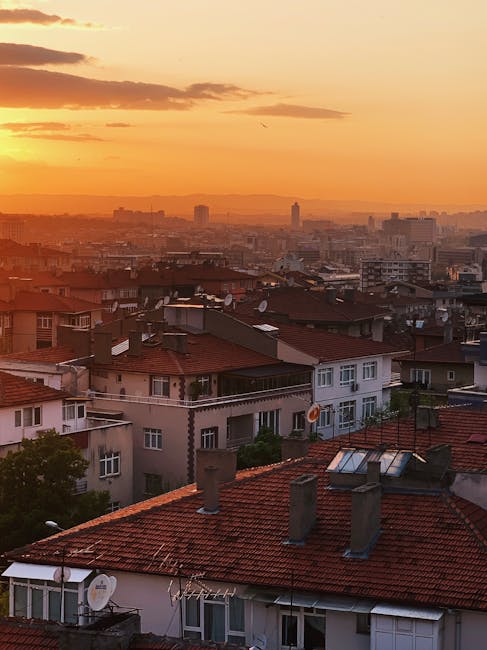
Tirana’s outskirts aren’t homogeneous. They combine mountains, lakes, historic villages and suburbs in transition. Just a few kilometers from the center you can move from modernized avenues to markets where vegetables picked that morning are still sold, weaving workshops, family-run cafés and small taverns serving home-style cooking. The smells, textures and rhythms are different: laundry hanging from balconies, guard dogs on farms, children playing on dirt squares, and farmers selling fresh cheese roadside. These images give the outskirts a sense of immersion that the city center—often staged for visitors—struggles to reproduce.
For the savvy traveler, Tirana’s outskirts have several practical perks: lower prices (accommodation, restaurants), more spontaneous encounters with residents, and sites where heritage is read in stone and landscape more than through glass displays. Attractions like the Dajti massif, Farka Lake, the village of Petrelë and the markets of Farka and Kashar are all reachable within 20–40 minutes from the center but feel like a timeless escape. Suburban cafés and konobas serve generous portions for €3–8, castle entrance fees are typically €2–5, and a full-day organized trip can cost €20–40 depending on the activity. You’ll breathe a different pace there—the rhythm of workers, artisans and families—which is exactly what many travelers seeking authenticity are after.
This general guide walks you through the area step by step, with exact addresses, opening hours, prices in euros and practical tips for exploring Tirana’s outskirts. It’s aimed at those who want to get off the beaten path, taste local food in non-touristy settings, hike natural landscapes near the city and understand why being “outside the center” can sometimes mean being closer to a place’s soul.
Why the outskirts offer a different kind of authenticity (everyday scenes and atmosphere)
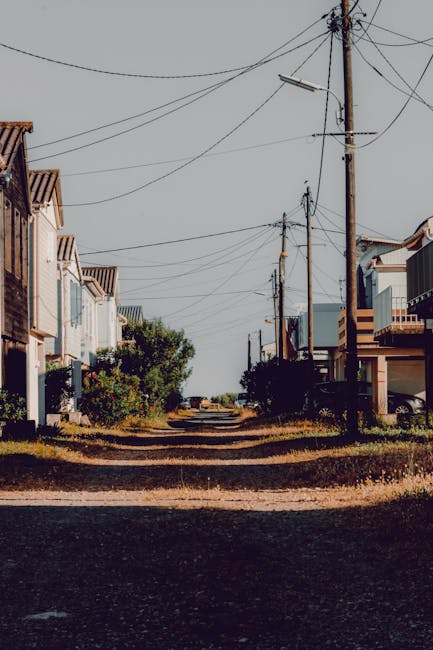
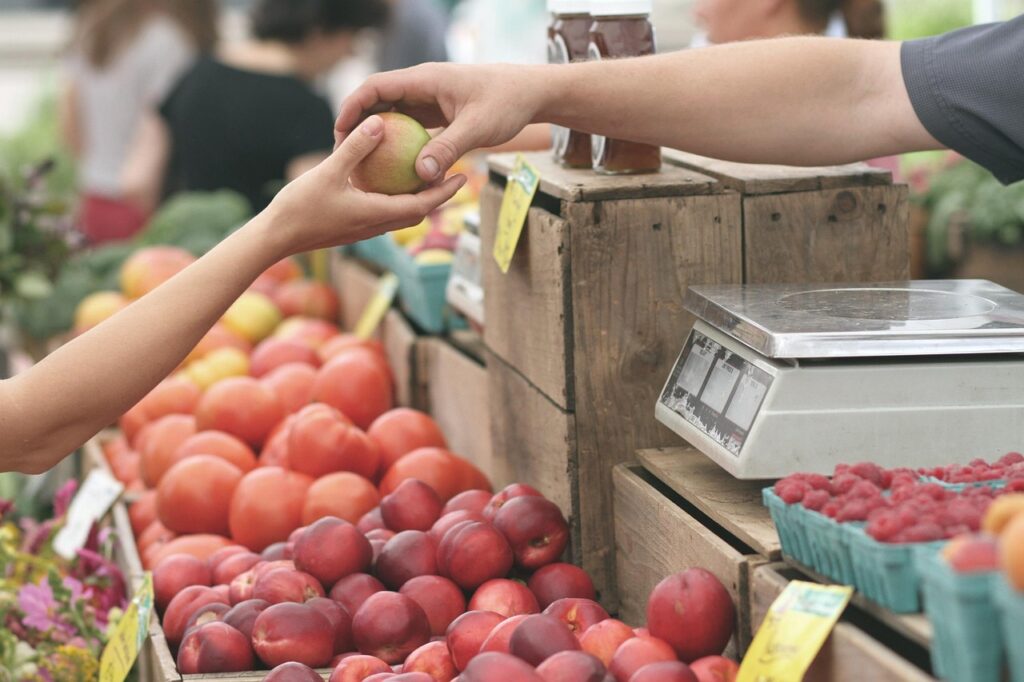
Tirana’s outskirts reveal their authentic side first and foremost through everyday scenes. Unlike the center, often adapted for tourist strolls—freshly painted facades, signs in English, attendants in uniform—peripheral neighborhoods keep older practices alive: family grocery shops, motorcycle repair stalls, street barbers and fresh-produce stands lined along sometimes uneven sidewalks. These elements create a living social fabric. The Farka market (Pazari i Farkës) is located at Liqeni i Farkës, Farkë, Tirana; you’ll find producers selling fresh sheep’s cheese from around €3.50 per kilo and local herbs for €0.50–1 per bunch. Peak hours are early morning, between 07:00 and 10:00, when products have just arrived.
Traveling to the outskirts also means witnessing traditions that are still firmly rooted: cafés where people linger over a çaj (tea) or a Turkish coffee (kafe turk), often for €0.50–1.50; family meals in local taverns where a slice of byrek (savory pastry) costs €0.80–1.50 and a full meal (starter, main, dessert) runs €6–12. Short taxi rides or minibus (furgon) trips spark spontaneous exchanges—expect a 20–30 minute taxi from the center to cost roughly €4–8, while a furgon costs about €0.20–0.50 depending on distance.
Another sign of authenticity is how locals repurpose spaces: municipal parks turned into urban gardens, terraced hillsides under cultivation, and blacksmith and woodworking shops producing items for the neighborhood. These workshops will sometimes show their craft in exchange for a small donation, and you can commission a custom piece for €20–100 depending on complexity. Artisans rarely speak much English, but a gesture, a smile and a few Albanian words (e.g., “faleminderit”, thank you) usually open the door to conversation.
Nature and hikes: Mount Dajti, the Dajti Ekspres cable car and Farka Lake
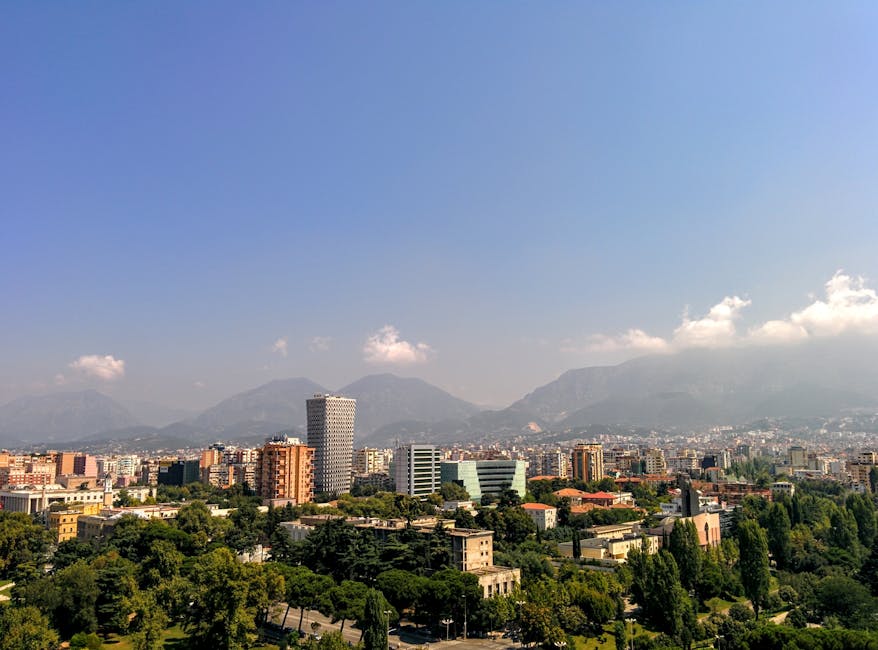
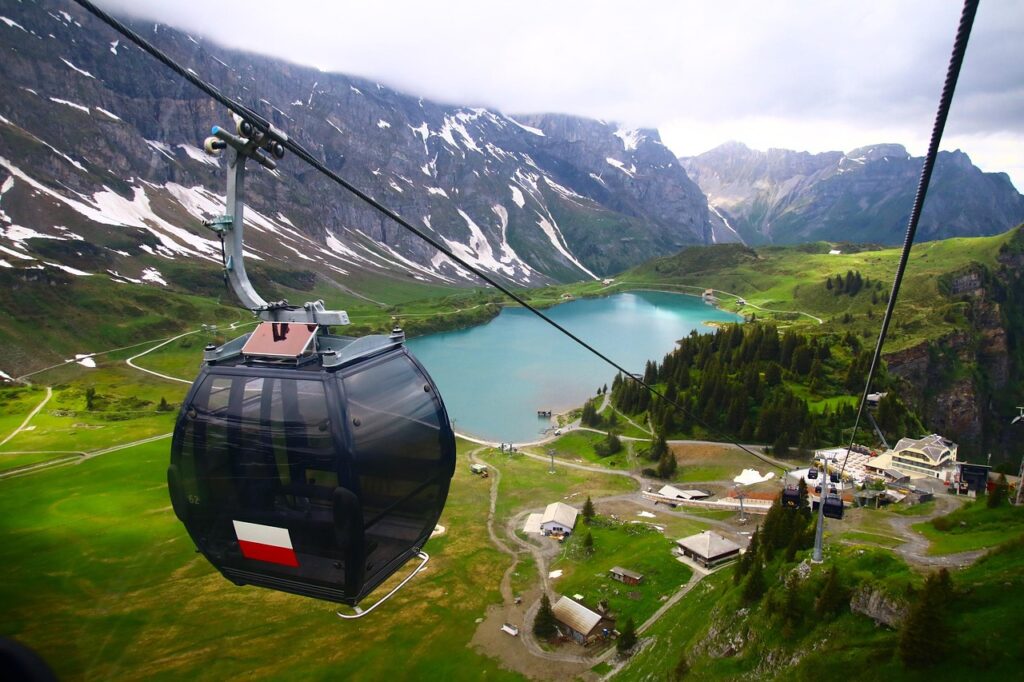
To the east of Tirana rises the Dajti massif, a natural area popular with locals seeking cooler air and panoramic views. The Dajti Ekspres cable car (Dajti Ekspres Cable Car) departs from Rruga Dajti (base station: Dajti Ekspres Station, Rruga Dajti, Tirana 1001); check hours, generally 09:00–18:00 in season (subject to weather). Round-trip tickets cost around €5–7 for adults, with reduced fares for children and seniors (€2.50–4). At the summit, Dajti National Park (Parku Kombëtar Dajti) offers trails, local restaurants and viewpoints at about 1,600 m elevation. Marked walks range from short 30-minute loops to 3–5 hour hikes for more adventurous visitors. Bring water, a windbreaker and sturdy hiking shoes: temperatures can be 5–10 °C cooler than in the city.
Farka Lake (Liqeni i Farkës, Farkë, Tirana) is another common suburban getaway. About 12 km from the center, it has a pleasant lakeside walk, terrace cafés and pedal boat rentals in season. Practical address: Liqeni i Farkës, Rruga Farka, Farkë, Tirana. Pedal boats rent for roughly €4–6 per hour; the lakeside café Café Liqeni Farka (Rruga Farka) typically opens 08:00–22:00. In winter, the low light on the water with the mountains in the background makes for striking photos.
Practical tips: avoid busy weekends if you want solitude and authenticity—locals flock to Dajti and Farka. Aim for weekday mornings or late afternoons in the low season. If you prefer a guided experience, several local agencies offer half-day or full-day excursions (rates €20–40, with pickup in the city center on request). Also, scout out small mountain restaurants (e.g., Restaurant Panorama Dajti near the upper station—dishes €6–12) to try alpine Albanian specialties like vegetable stew (gjellë dhe perime) or grilled kebabs (qebapa) served with homemade bread.
Nearby villages and heritage: Petrelë, Kashar and traditional workshops
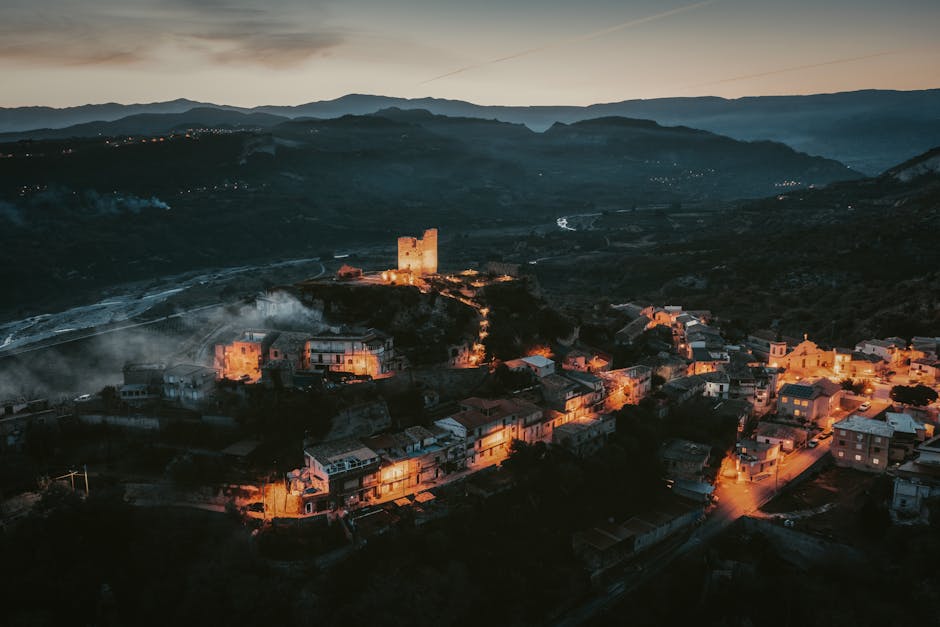
The outskirts also showcase a rich built heritage: castles, towers and villages where history is written in stone and paths. Petrelë Castle (Kalaja e Petrelës) is a prime example. Address: Kalaja e Petrelës, Petrelë 1033, Tirana. The castle dates back to Byzantine times with Ottoman-era modifications; entrance is often symbolic (around €2–4), and on some days tourists may pay more for a private guided tour (€10–20). The castle restaurant, Restaurant Kalaja e Petrelës (located on site), serves traditional dishes for €8–15 and looks out over the valley—check opening hours, which vary by season, usually 10:00–22:00 in summer.
Kashar, west of the city, is another interesting suburban hub: pottery workshops, small industries and wholesale markets. The central Kashar market (Pazari i Kasharit) is on Rruga e Kasharit, Kashar, Tirana; hours are 06:00–14:00 for fresh produce. Weaving and leather workshops sometimes accept informal visits; a handcrafted bag or small rug can cost €20–60 depending on the work. These workshops are living examples of skills the downtown area doesn’t display as vividly.
Visiting tips: always haggle respectfully—displayed prices may be negotiable, and bargaining is part of the social ritual. If you take photos of people or workshops, ask first. To get to Petrelë and Kashar from the center, a taxi usually costs €8–15 depending on negotiation and traffic; a local bus costs €0.20–0.50 but requires patience and possible transfers. People are often curious and hospitable: bringing a small gift (sweets, postcards) can spark warm exchanges and even an invitation for an impromptu çaj.
Everyday life, markets and suburban cuisine — tips for getting immersed
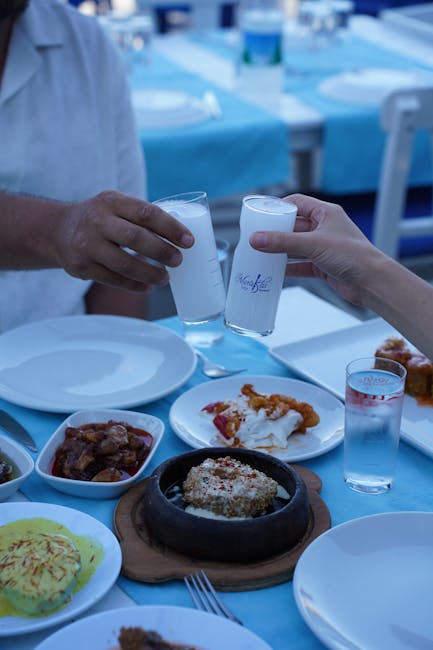
The cuisine and markets of the outskirts reveal a lot about local life. Look for family konobas and neighborhood taverns: for example, Taverna e Farkës (Rruga Farka, Farkë) serves mezzes and meat dishes for €5–12. Suburban bakeries sell byrek still warm (€0.80–1.50); you’ll often see hundreds prepared in the morning. Markets such as Pazari i Farkës and Pazari i Kasharit display a seasonal palette: tomatoes, peppers and eggplants in summer (about €0.50–1.20/kg), nuts and cheeses in autumn (sheep’s cheese €3–6/kg). Dairy products from local producers are often more flavorful than supermarket offerings.
To immerse yourself, join a market morning: arrive at 07:00, sample marinated olives (€1–3 a portion), strike up a conversation with a seller of artisanal honey (€6–12 for a 250–500 g jar) and buy fruit for a picnic by the lake or on a hill. If you’re invited into someone’s home, follow local etiquette: bring a small gift, remove your shoes if asked, and accept a cup of tea even if you’re not hungry—the refusal can be taken the wrong way.
Finally, safety and transport: the outskirts are generally safe, but some secondary roads are narrow and unlit at night—prefer daytime travel. Renting a bike or a car can make exploring easier; a compact car rental costs around €25–45/day depending on season. Taxi apps and services are available but check the starting fare and confirm the route to avoid detours. With these tips, Tirana’s outskirts become a rich field for real experiences, not just an appendage of the city center.
Conclusion — The quiet charm of the outskirts and how to make the most of it
In conclusion, Tirana’s outskirts offer a form of authenticity that isn’t opposed to the center but rather complementary. Where the center presents monuments, museums and a modern urban staging—useful and enjoyable—the outskirts deliver everyday scenes, landscapes and crafts less filtered by tourism. Between mountains, lakes, historic villages and farmers’ markets, the suburban experience is multisensory: sounds, smells, textures and conversations—often in Albanian—reinforce the feeling of immersion. For the traveler who wants to understand how Tiranians live, eat and work, heading to the outskirts isn’t a waste of time but a way to discover the city more deeply.
To get the most out of it, plan market mornings, hikes on Dajti (Dajti Ekspres cable car, Rruga Dajti), visits to villages like Petrelë (Kalaja e Petrelës, Petrelë 1033) and breaks in family taverns where a full meal often costs €6–12. Time your visits to avoid the most touristy hours and favor weekdays or mornings. Bring cash (Albanian lek for small purchases), a few euros for entrance fees and activities, and comfortable shoes. Finally, be respectful: ask permission before photographing, negotiate courteously and accept local invitations with humility.
Tirana’s outskirts are, contrary to common assumptions, a privileged space for anyone who wants to feel the city up close with its residents. You don’t need to travel beyond the metropolitan limits to feel “somewhere else”: sometimes crossing a bridge, a road or a roundabout is enough to hear another language, taste a different bread and see another sky. Explore slowly, let yourself be surprised, and you’ll understand why what lies outside the center often feels more authentic than you’d expect.