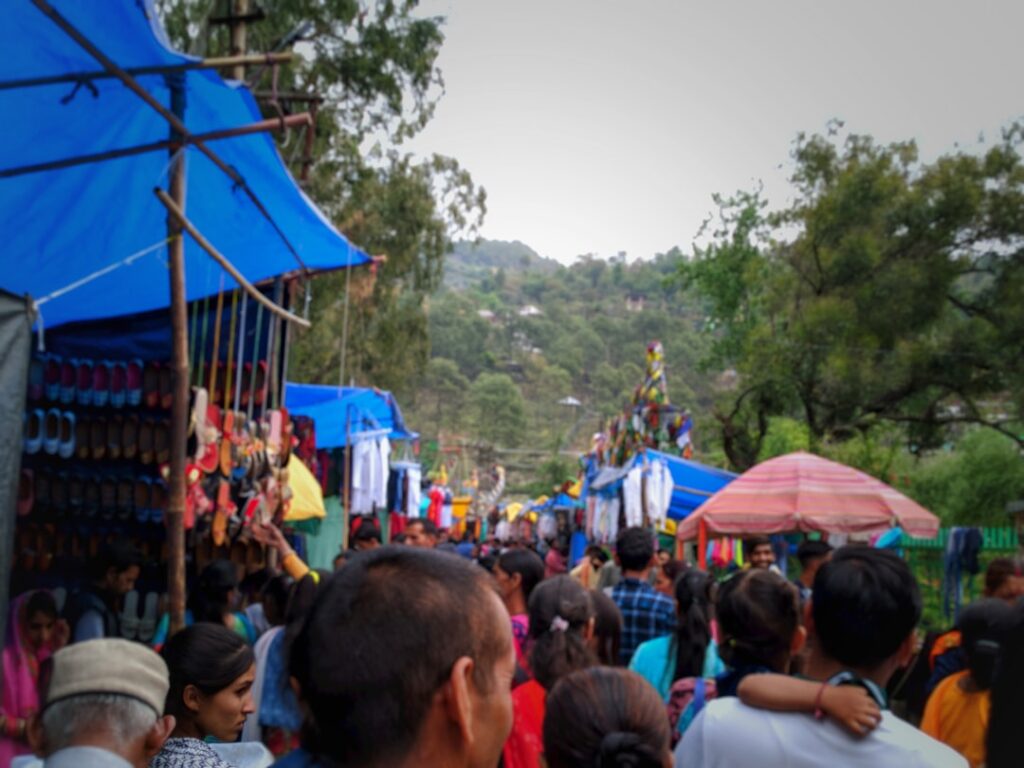
Introduction — Why skip tourist restaurants and choose Tirana’s markets
Tirana, Albania’s lively capital, is drawing more curious travelers than ever. But if you stick to the restaurants lining the main tourist avenues, you’ll miss a big slice of the city’s culinary and social soul. Tirana’s markets — vibrant, colorful and utterly authentic — plunge you straight into local life, regional flavors and the entrepreneurial spirit of Albania. Forget English menus and portions sized for tourists: here people haggle, trade, sample on the spot, and, most importantly, find products you won’t see anywhere else.
Markets aren’t just places to buy things: they’re hubs of daily life where producers, craftspeople, street cooks and residents mix. As you wander the stalls you’ll hear the buzz of conversations in Albanian and Italian, smell spices, fresh olive oil, warm bread and grilled fish. Markets also tell a geographic and historical story: vegetables from the Shkumbin valley, cheeses from the Korçë mountains, fish from the Adriatic coast, and wild herbs picked from nearby hills.
This guide walks you through Tirana’s must-see markets with exact addresses, practical opening hours, price ranges in euros and local tips for buying, eating and photographing like a local. We favor honest atmospheres over polished façades: you’ll learn where to find artisanal products (cheeses, cured meats, jams), street specialties (byrek, qofte, burek me djathë), seasonal fruit and veg stalls, and grilled fish served standing up right at the market.
Markets are also an economical and responsible way to travel: buying straight from producers cuts out middlemen, supports the local economy and lets you taste food raised or grown nearby. Many vendors accept euros (EUR) for tourists; still, negotiating in lek (ALL) can sometimes lower the price — we’ll also give euro equivalents for convenience.
Throughout this article you’ll find exact addresses, typical hours and price estimates in euros so you can plan your visits. We recommend routes, must-try dishes and tips for photographing scenes while respecting vendors’ privacy. In Tirana, the market is more than a shopping spot: it’s a gateway into everyday Albanian life. Leave the tourist restaurants for a break, and head to the markets for a richer, more authentic and often tastier experience.
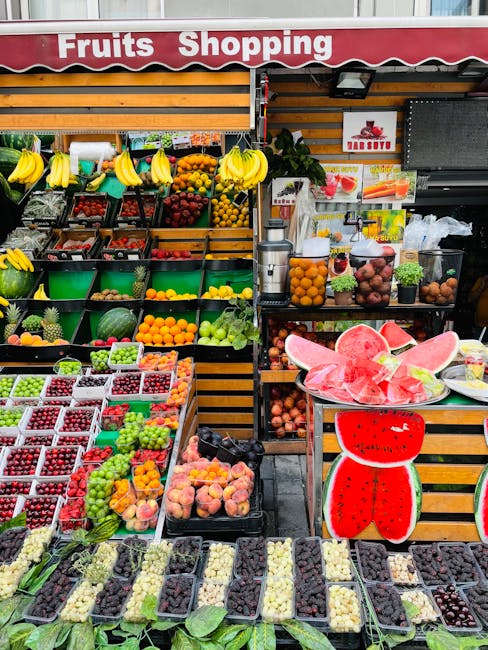
Pazari i Ri (New Bazaar) — Tirana’s colorful central heart
Pazari i Ri, commonly called the New Bazaar, is Tirana’s most iconic market. Just a short walk from Skënderbej Square, it was fully renovated and reorganized in the early 2010s to preserve the traditional market’s spirit while giving it a cleaner, more orderly look. Address: Pazari i Ri, Rruga Luigj Gurakuqi, 1001 Tiranë, Albania. The market is open daily, busiest Monday through Saturday between 07:00 and 18:00; some stalls close earlier on Sunday (usually around 14:00–16:00).
You’ll find a huge variety here: seasonal fruit and vegetables, fresh herbs, local cheeses like djathë kaçkavall and djathë i bardhë, meats, artisanal charcuterie, honeys and jams. Prices are very reasonable — for example:
- Local tomatoes: €1.00–€1.50 / kg
- Potatoes: €0.50–€1.00 / kg
- Local cheese (by the piece): €4.00–€8.00 / kg depending on aging
- Artisanal honey: €6.00–€12.00 / 400 g jar
Don’t miss the small street food stalls around the market. You can try a byrek (savory pie) for around €0.70–€1.50 a slice, qofte (meatballs) for €1.50–€3.00, and Turkish coffee or espressos for €0.80–€1.50. Prices vary slightly depending on the stall’s location and the season.
Practical tip: arrive early (07:00–09:00) to see the best produce and get the best prices. Saturday is the busiest day — expect larger local crowds. Bring small bills: while many accept euros, some small producers prefer lek (ALL) and often give a better price if you pay in local currency.
Photo tip: look for stalls with symmetrical displays of fruits and vegetables or vendors wearing headscarves — those make striking, colorful shots. Be polite and ask before photographing someone up close; a sincere smile often leads to a chat — sometimes you’ll even be offered a free taste.
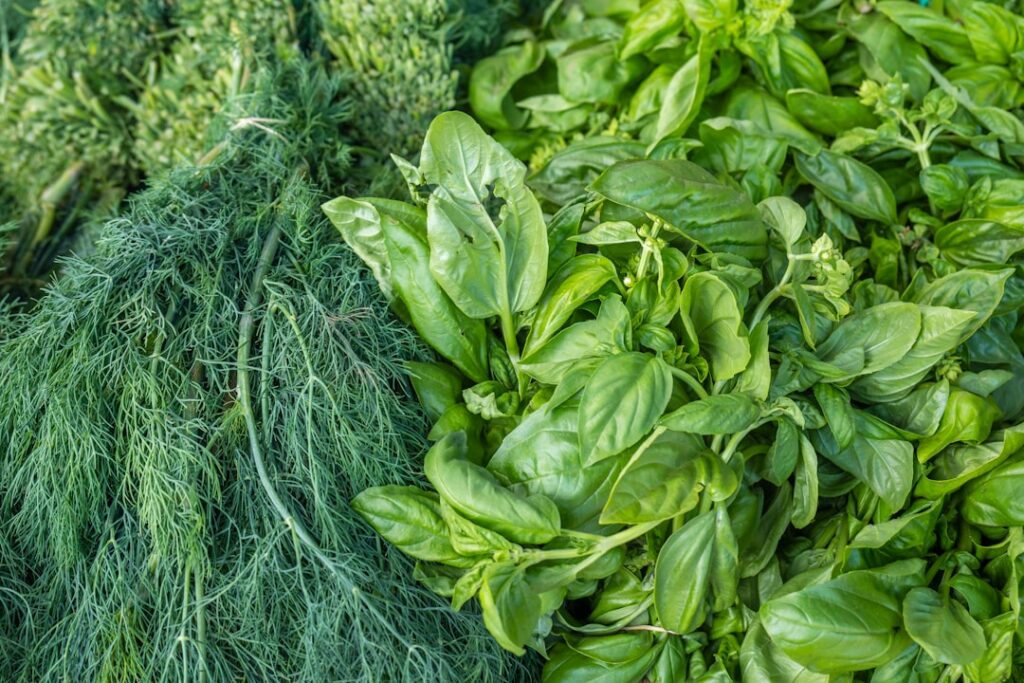
Tregu i Gjelbër (Green Market) and everyday essentials
Tregu i Gjelbër, literally the “green market,” is the daily market where Tirana residents do their routine shopping. Address: Tregu i Gjelbër, Rruga Dëshmorët e Kombit, 1000 Tiranë, Albania — close to the main avenue and well served by public transport. Hours: typically open Monday to Saturday from 06:30 to 18:00; Sunday hours vary (often morning only).
Here you’ll find overflowing stalls of seasonal vegetables, local and exotic fruit, flowers and small plants. It’s the perfect place to observe daily life: housewives haggling over prices, restaurant owners buying in bulk, and farmers boasting about their produce’s freshness. You’ll also find wild herbs (leçshë, malqafë) used in Albanian cooking and typical condiments (local paprika, dried chilies).
Sample prices to give you an idea:
- Seasonal peaches: €1.20–€2.50 / kg
- Zucchini: €0.80–€1.50 / kg
- Fresh herbs (bunch): €0.30–€0.80 per bundle
- Farm eggs: €2.00–€3.50 / dozen
If you’re a traveler planning to cook or pack a picnic, the Green Market is unbeatable. If you’re staying in an apartment with a kitchen (many Airbnb and guesthouse options are near the center), shop here to get fresh produce for a fraction of supermarket prices.
Local tip: bring an insulated bag if you buy cheese or meat — the cold chain can be inconsistent. Always ask “Sa kushton?” (how much?) and offer a slightly lower price if you’re buying in quantity — bargaining is common and done politely. If you want something specific, like a blue-veined farmhouse cheese or a particular olive variety, strike up a conversation and show genuine interest: many vendors love to explain their production methods.
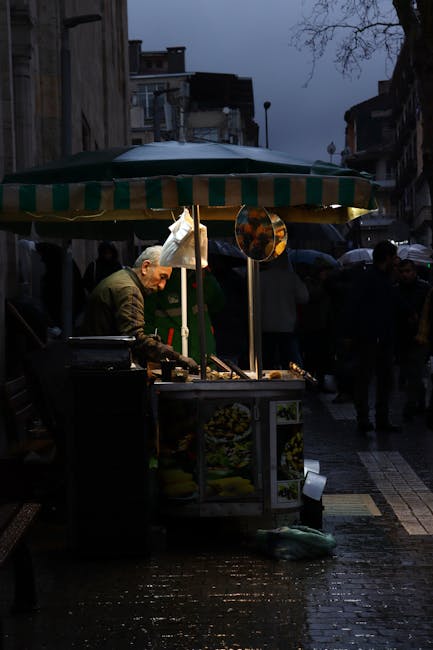
Night markets and street food — Where to eat after dark
Tirana doesn’t sleep when the sun goes down; night markets and the street food scene take over. The best street food spots aren’t formal markets like Pazari i Ri but areas where vendors set up stalls in the evening, especially around Blloku and Pazari i Ri. Typical hours: 18:00–00:00, with some stalls open until 02:00 on weekends.
Street food must-tries include:
- Byrek me djathë (cheese pie): €0.70–€1.50 per slice — often sold hot, rolled or cut into squares.
- Qofte (grilled meatballs): €1.00–€2.50 / serving (3–5 pieces).
- Fish sandwich (grilled fish roll) at specialty stands: €3.00–€6.00 depending on size and type of fish.
- Sucuk (spicy sausage) grilled: €2.00–€4.00 / serving.
A notable nighttime hub, though not a traditional market, is the area around Rruga Ismail Qemali and Rruga Sulejman Delvina where several food trucks and stalls line up. These spots are just a few minutes’ walk from Pazari i Ri. For grilled fish, follow the smell of the grill and the queues of local customers — quality is often high and prices remain affordable.
Food safety tips: choose stalls with high turnover (lots of customers) and visible cooking. Avoid poorly refrigerated foods. If you have a sensitive stomach, start with small portions and drink bottled water (bottled mineral water: about €0.50–€1.00 for 0.5 L).
Night photography: pick stalls lit by warm yellow lamps for atmospheric shots. Watch your camera’s white balance and always ask permission before photographing people up close. Vendors often enjoy being photographed — complimenting their food can open the door to a group photo.
Specialty markets and artisans — From textiles to cheese, hidden treasures
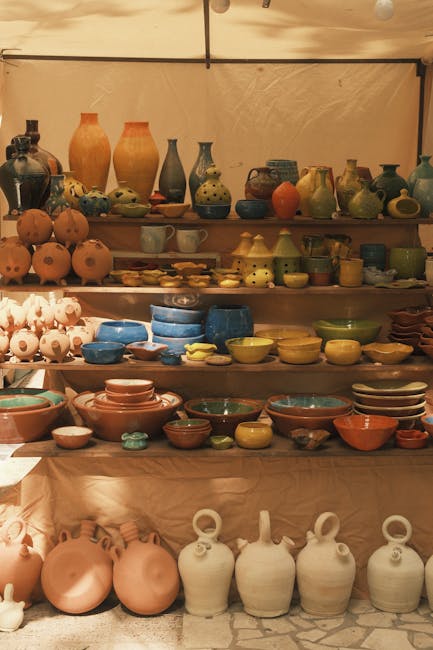
Beyond food markets, Tirana has spaces where artisans and specialty sellers gather: textiles, pottery, handmade jewelry and apiculture products. These markets are perfect for authentic souvenirs, often made by hand in nearby regions.
Two places to know:
- Markat e Dëshmorëve (small craft markets around Sheshi Skënderbej) — Address: Sheshi Skënderbej, 1001 Tiranë, Albania. Hours: variable, often open from 10:00 to 19:00, especially Thursday to Sunday.
- Artisan stalls near Pazari i Ri — scattered along Rruga Luigj Gurakuqi, very active on weekends.
Products and price ranges:
- Handmade pottery (cup or small bowl): €5.00–€15.00
- Woven rugs and kilims (small size): €30.00–€100.00 depending on quality
- Flavored honeys (lavender, chestnut) in 400 g jars: €8.00–€18.00
- Natural soaps and cosmetics (olive oil, lavender): €3.00–€8.00 each
Buying directly from the craftsperson has a double benefit: you often hear the product’s story (origin, methods) and you support families who make their living by hand. Workshops on the streets adjacent to the center sometimes offer demos — watch a weaver at work or ask to see how a cheese is made; these exchanges enrich the visit.
Shopping tips: check stitch quality and finishes on textiles. Don’t be shy about negotiating (25–30% off is common for multiple items), but stay respectful. If you plan to fly with food items like cheese or honey, check your country’s import rules and pack them well to avoid leaks.
Getting around, paying and interacting — Practical tips for enjoying Tirana’s markets
Getting to Tirana’s markets is easy: the city center is compact and most markets mentioned are walkable from Skënderbej Square. If you’re further out, city buses and taxis (Uber isn’t yet widespread in Tirana) are affordable. Expect central taxi rides to cost €2.00–€5.00 depending on distance; ask the driver to use the meter (or agree a price in advance if needed).
Payment: although euros are often accepted, the national currency is the lek (ALL). Approximate conversion: 1 EUR ≈ 110–120 ALL (varies), so check current rates before you travel. To avoid confusion, carry a few lek notes for small purchases (market produce, byrek, coffee). Small vendors rarely accept cards; plan to use cash for 80–90% of market shopping.
Interactions and etiquette:
- Always greet first: a simple “Përshëndetje” (hello) opens conversations.
- Ask permission before photographing someone up close.
- Taste before buying larger quantities — many sellers offer small samples.
- Observe hygiene: use napkins and avoid touching other foods if you’ve handled money.
Recommended gear: a reusable bag (markets often use plastic bags, but a sturdy tote is greener), a few insulated bags for cheese/meat, and a small pack of hand wipes. For serious buyers: a portable scale can help if you’re buying in bulk and want to check weights to avoid overpaying in taxis.
Finally, take your time: each market tells a story. Talk to vendors about seasonality, local recipes and the best producers. Many will happily point you to where the true taste of Albania comes from — not from tourist menus.
Conclusion — Rediscover Tirana through its markets: authenticity, flavor and local economy
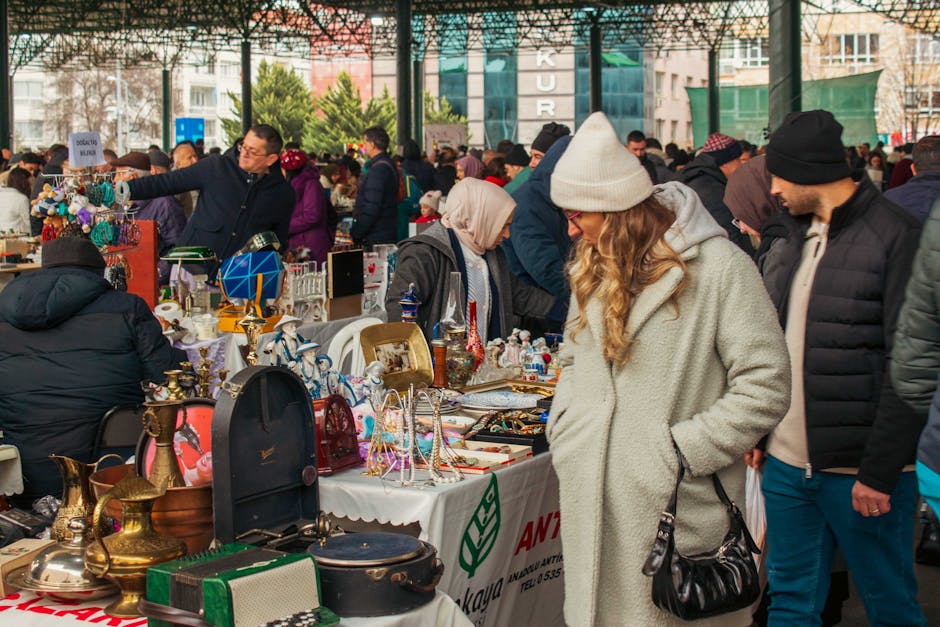
Tirana’s markets offer an experience that goes far beyond a simple purchase. They reflect a society on the move, agriculture still close to consumers, and a rich, living food culture. By choosing markets over tourist restaurants you step into Albanians’ everyday lives, support local artisans and farmers, and taste products that tell a story — terroir, seasons and know-how. This route rarely disappoints: whether it’s Pazari i Ri for a colorful, friendly panorama, Tregu i Gjelbër for daily shopping, the street food areas for evening bites, or the craft markets for authentic souvenirs, each stop invites you to watch, chat and taste.
On a practical level, remember a few basics: opt for early hours for freshness, bring small bills (lek or euro), respect vendors and ask permission before taking photos. The prices listed in this guide (in euros) are sensible estimates at the time of writing; seasonal variations and bargaining can affect amounts. Use this info to plan your budget, but leave room for improvisation: some of the best memories come from unexpected encounters and spontaneous tastings.
Ultimately, Tirana’s markets beat tourist restaurants because they deliver a sensory and cultural intensity no styled dining room can match. The smells, textures, human exchanges and the chance to buy directly from producers make markets essential for anyone who wants to truly understand and savor Tirana. So drop the beaten track, skip the restaurants serving the same tourist menus, and explore — one stall at a time you’ll uncover the generous, flavorful heart of Albania’s capital.