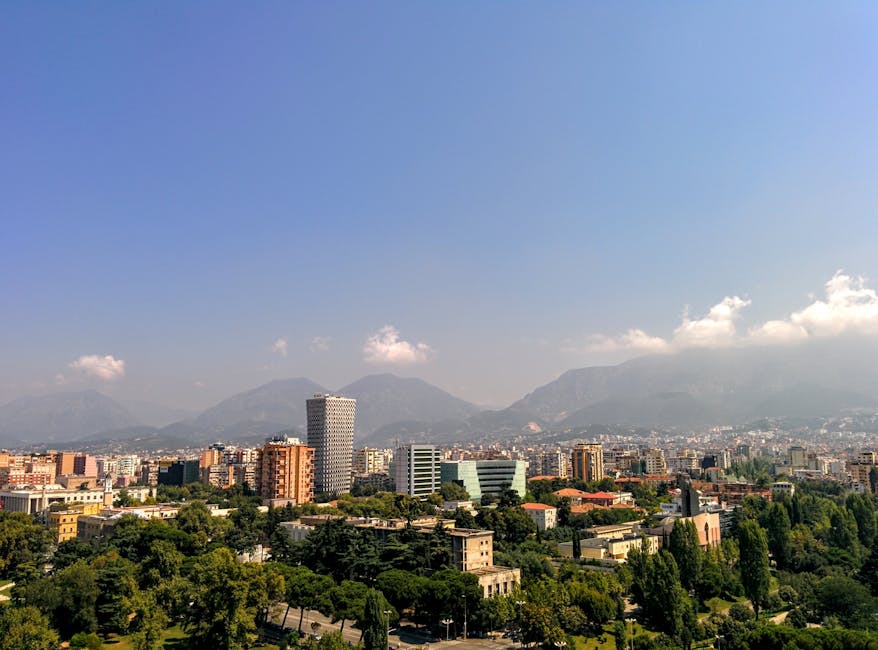






Introduction — Understanding Urban Transport in Tirana
Tirana, Albania’s lively and rapidly changing capital, has a mixed and evolving urban transport scene. For visitors, knowing how to get around this compact city is key to making the most of its squares, museums, restaurants and modern neighborhoods like Blloku. This detailed guide will help you navigate municipal buses, informal minibuses known as « furgon », taxis, ride-hailing services, bike-shares, walking routes and options to reach Tirana International Airport Nënë Tereza (Rinas). You’ll find exact addresses of key points, typical schedules, fares in euros, local tips and immersive descriptions for each mode of transport.
Tirana has modernized quickly: a municipal bus network now serves most neighborhoods, while furgon supplement connections — especially handy for trips to the suburbs and along corridors not covered by official lines. Taxis remain affordable but require attention to fares; both local and international apps (Bolt, Free Now) cover the city well and usually accept card payments. For many visitors, walking is the best option in the city centre — Skanderbeg Square (Sheshi Skënderbej, 1001 Tiranë, Albania) is compact and close to the main museums, restaurants and cafés.
This guide keeps a practical, professional tone: we give exact addresses for terminals and useful stops such as the central bus station, the long-distance coach terminal, Tirana International Airport Nënë Tereza (Rinas 1503, Albania), and taxi pickup points. We also list typical operating hours (for example: municipal buses roughly 05:30–23:00, furgon from about 06:00 to midnight) and prices in euros (single bus ticket ~€0.40–0.50, city taxi fares starting at ~€2.00–3.00 depending on distance). Each section includes practical advice — when to buy tickets, how to validate a fare, safety pointers and local customs to know.
Whether you’re in town for a few days or a longer stay, understanding these basics will save you time and money. The urban landscape in Tirana shows visible investment: emerging cycle lanes, expanded pedestrian areas and improved bus stops. That said, travel can still feel chaotic at peak times and English signage may be limited outside tourist corridors. We provide visual cues, exact addresses and clear directions so your journeys go smoothly.
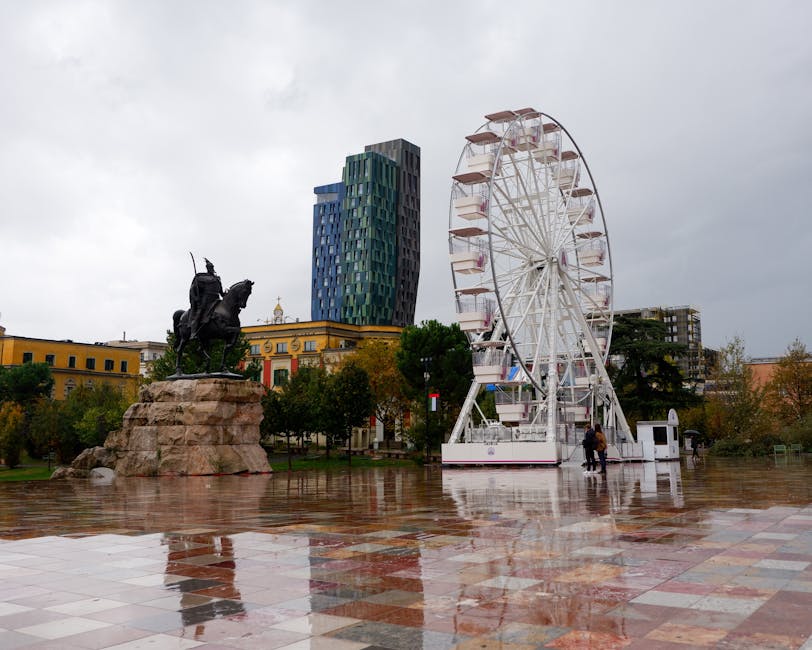
1) Municipal Bus and Urban Network: Lines, Stops, Fares and Schedules
Tirana’s municipal bus is the cheapest way for visitors to cover longer distances around the city. The lines are primarily run by the municipality and serve the centre, residential areas like Don Bosco, Lapraka, Kombinat, and hubs such as the University Hospital (Universiteti i Mjekësisë) and the University of Tirana (Universiteti i Tiranës). The central stop and reference point for many routes is Skanderbeg Square (Sheshi Skënderbej, 1001 Tiranë, Albania) and the stretch around Bulevardi Dëshmorët e Kombit.
Hours: municipal buses generally run between 05:30 and 23:00 on weekdays. Some routes start earlier (05:00) and major lines may run reduced services on Sundays (06:00–22:00). Frequencies vary: during peak times (07:00–09:00 and 16:30–19:00), expect buses every 8–15 minutes on main routes; off-peak intervals are typically every 20–40 minutes.
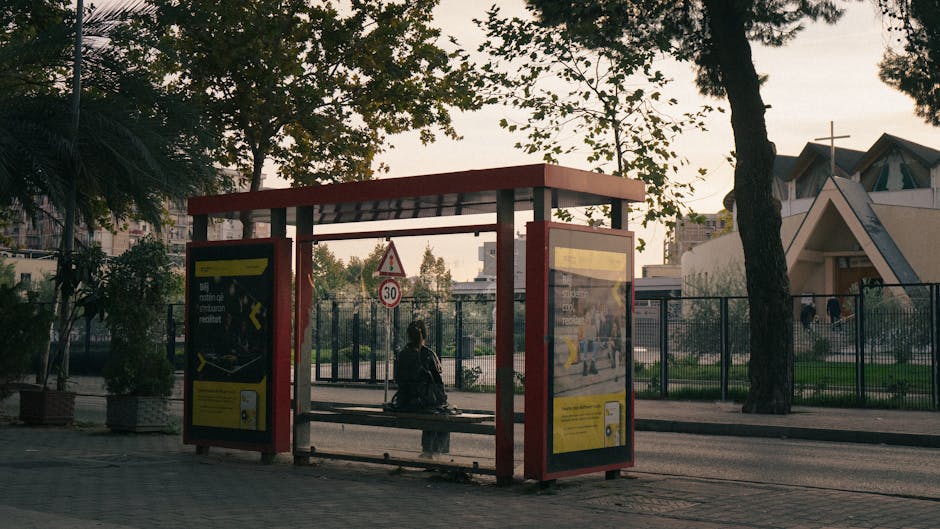
Fares and tickets: a standard single urban fare is around 40 lek, roughly €0.35–€0.40 (subject to change). Tickets can be purchased on board from the driver (cash — have small bills), at some main stations or via ticket machines at renovated stops. There are also rechargeable cards and day passes available at certain tourist kiosks: a 24-hour pass costs about 200 lek (~€1.65) and a 72-hour pass around 500 lek (~€4.15). Always validate your ticket when a machine or the driver asks; inspections are sporadic but fines can be steep.
Useful addresses:
– Central hub / main stop: Sheshi Skënderbej (Skanderbeg Square), 1001 Tiranë, Albania.
– Intercity bus station (for longer connections): Stacioni i Autobusëve i Tiranës, Rruga e Kavajës, 1001 Tiranë, Albania — national lines to Durrës, Shkodër or Berat also depart from here.
Practical tips: avoid peak hours if you’re carrying large luggage; choose buses on direct routes to attractions (for example, the line to the Grand Park/Artificial Lake); keep small change handy for buying tickets; learn the nearest stop to your hotel in Albanian (e.g. “ndaloni te Parku i Madh” for Grand Park). Also check with your hotel for updates — route maps change and the staff are often the best source for the exact line to take.
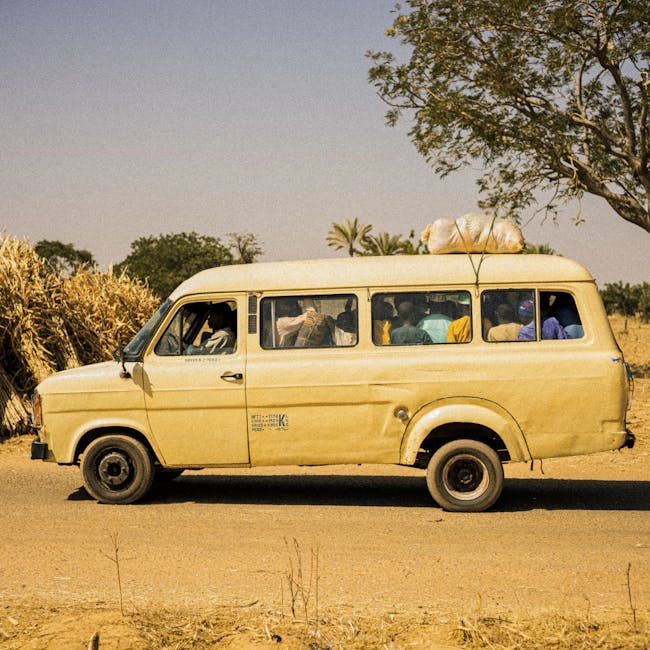
2) Furgon (informal minibuses) and Private Shuttles: How They Work, Routes, Fares
The furgon — privately run minibuses — are an integral part of Tirana’s mobility fabric. These vehicles, often Mercedes or Fiat, operate on set routes but are less formal than municipal lines. You’ll recognize them by destination signs in the front and by their near-continuous operation during the day. They’re especially useful for reaching neighborhoods poorly served by municipal buses or for quick cross-city hops.
Hours: furgon typically run from about 06:00 to 00:00 (midnight). Some local lines continue past midnight, particularly toward nightlife areas (Blloku, Rruga Murat Toptani). Frequency is high during busy periods — a furgon will often leave as soon as it fills up, meaning departures can be every 3–10 minutes on popular stretches.
Fares: prices are very reasonable: a short trip costs about 50–100 lek (~€0.40–€0.85) depending on distance. Longer rides toward the outskirts can cost up to 200 lek (~€1.65). Payments are almost always cash to the driver; keep small coins and bills ready. No reservations required.
Pickup points and addresses: furgon operate from well-known spots, often near municipal bus stops or public squares.
– Common furgon stop: Rruga e Kavajës, near Stacioni i Autobusëve i Tiranës, Rruga e Kavajës, 1001 Tiranë, Albania.
– Blloku (nightlife area): Rruga Ismail Qemali, near Bulevardi Dëshmorët e Kombit, Tirana 1001, Albania — many furgon pass close by.
Local tips: to find the right line, ask the driver or indicate your destination in Albanian: « drejt [neighbourhood name] » (e.g. « drejt Kombinat »). Furgon don’t always stop at formal bus stops: raise your hand to signal you want to board and tap the driver’s shoulder or say « ndal » to get off. Travel light and board quickly — space is limited. Timetables are approximate: when in doubt, ask a local or your hotel concierge.
3) Taxis, Ride-Hailing (Bolt, Free Now) and Fare Safety
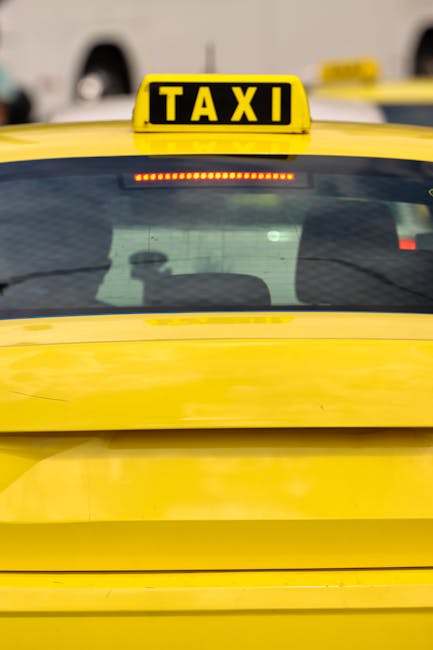
Tirana has a lively and relatively inexpensive taxi market compared to many European cities. Official taxis are usually yellow or black, display a roof « TAXI » sign and have a meter (tariffa) up front. In recent years ride-hailing services (notably Bolt) have become widespread, offering a convenient, traceable alternative that usually reduces the need to haggle.
Pickup locations: several official taxi ranks exist for boarding and drop-off:
– Taxi rank by Hotel Plaza Tirana: Bulevardi Dëshmorët e Kombit 10, Tirana 1001, Albania.
– Taxi rank at the central coach station: Stacioni i Autobusëve i Tiranës, Rruga e Kavajës, 1001 Tiranë, Albania.
– Frequent ranks at Skanderbeg Square (Sheshi Skënderbej, 1001 Tiranë, Albania) and in front of the Tirana International Hotel (Pazari i Ri / Rruga Sami Frashëri).
Typical fares: daytime flag-down rates are usually around 150–200 lek (~€1.25–€1.65) and per-kilometre charges of 40–80 lek (~€0.33–€0.67) depending on the vehicle. A typical ride from the centre to Blloku or the Grand Park will run between 300 and 600 lek (~€2.50–€5.00). Night rides (23:00–06:00) can include a 20–50% surcharge. Ride-hailing apps (Bolt) show an estimated fare in the app: expect €2.50–€5.50 for a 10–15 minute central trip depending on traffic and demand.
How to avoid issues: 1) Always ask the driver to switch on the meter (« përcjellësi » or « meter »). 2) If the meter isn’t on, agree a fixed price before getting in. 3) Prefer Bolt or Free Now when you want an electronic receipt and trip traceability. 4) For airport rides, request a firm estimate: from Skanderbeg Square to Tirana International Airport Nënë Tereza (Rinas 1503, Albania) expect about €20–€25 by taxi in daytime; with ride-hailing and off-peak demand you can sometimes find options around €15–€20.
Safety: taxis are generally safe, but keep your belongings secure and check that the vehicle ID is visible. Opt for newer cars and app-based rides to avoid disagreements over price. If anything goes wrong, note the licence plate and report it to local police (Policia e Shtetit, Rruga e Durrësit in front of the Central Police building).
4) Airport (Rinas) Connection: Shuttles, Buses, Taxis and Schedules
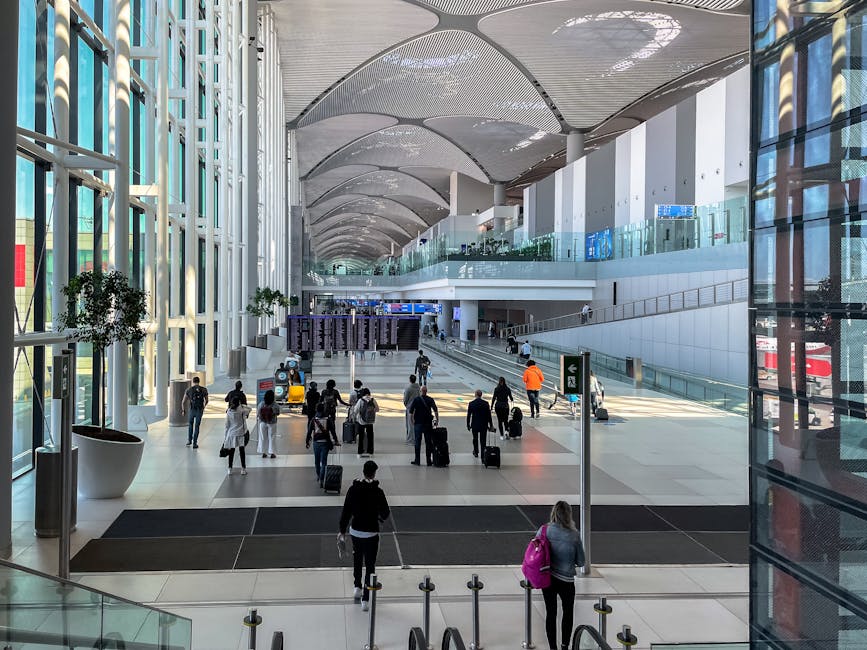
Tirana International Airport Nënë Tereza (Rinas 1503, Albania) is the main international airport for Tirana, located about 17–18 km northwest of the city centre. Visitors have several options to travel between the airport and the city: shuttle (Rinas Express), public bus, taxi, ride-hailing and private transfers. Each choice has trade-offs in price, comfort and speed.
Addresses and reference points:
– Airport: Tirana International Airport Nënë Tereza, Rruga e Aeroportit, Rinas 1503, Albania.
– Central arrival point in the city: Sheshi Skënderbej, 1001 Tiranë, Albania — most shuttles and buses stop here or nearby.
Rinas Express / shuttle bus: the private shuttle « Rinas Express » and other operators run regular departures between the airport and the centre. Schedules: typically departures align with flight arrivals, roughly every 30–60 minutes between 06:00 and 23:00. Duration: allow 25–40 minutes depending on traffic. Price: around €2.00–€3.00 per person for the Rinas Express shuttle (varies by operator and direction). The public bus, when available, is cheaper (about €1.50–€2.50) but less frequent.
Taxis and ride-hailing from the airport: official taxis at the terminal quote roughly €20–€30 to the city centre (Skanderbeg Square). Bolt/Free Now can be cheaper (about €15–€25) if demand is normal. Check the app estimate or ask the official airport taxi desk to avoid overcharging.
Private transfers: local companies offer private car or minivan transfers — useful for groups or heavy luggage. Rates: €30–€60 depending on vehicle size and service level (speed, waiting time, door-to-door). Booking is recommended for late arrivals (after 22:00) or very early departures.
Practical tips: on arrival, use official ticket counters or machines for shuttles to avoid unofficial intermediaries. If you take a taxi, ask the airport desk for a price estimate and note the licence plate. For early morning departures, always allow extra time for traffic — journey times can vary significantly.
5) Soft Mobility: Walking, Cycling, Scooters and the Blloku Neighbourhood
Tirana is very pleasant on foot, especially in the historic centre and pedestrianised areas around Skanderbeg Square, the painted street Rruga Murat Toptani, and the Blloku neighbourhood (Rruga Ismail Qemali, Tirana 1001, Albania). The city has invested in pedestrian amenities and cycle lanes, though continuity can vary. Visitors will especially enjoy walks in the morning and evening when lighting and activity make the streets feel lively and safe.
Bikes and e-scooters: bike-share and e-scooter services are available from local operators and international apps. Stations are commonly found near parks and main squares; prices depend on the provider: short-term bike rentals cost around €0.50–€1.50 for 30 minutes; e-scooters usually charge a €0.30–€0.50 unlock fee + €0.10–€0.25 per minute. Daily bike rentals (24h) for a cargo or standard bike are typically €8–€20 depending on quality.
Safety and local rules: ride in cycle lanes when available, wear a helmet and be aware of pedestrian traffic. Some central streets are crowded (Rruga e Kavajës, Rruga Abdi Toptani) — adjust your speed accordingly. Park e-scooters so they don’t block walkways; in the centre, follow signage and avoid leaving them on narrow sidewalks.
Recommended walking and cycling areas:
– Grand Park / Artificial Lake (Parku i Madh), Rruga e Liqenit Artificial — ideal for long walks and cycling.
– Blloku (Rruga Ismail Qemali) — nightlife, cafés, galleries and shops: very walkable.
– Pazari i Ri (New Bazaar), Rruga Sami Frashëri — a colourful, pedestrian-friendly market to taste local food.
Local tips: start exploring early to avoid the summer sun (June–August) and enjoy terrace cafés. For trips under 3 km, walking is often the quickest and most immersive option. If you rent a bike for the day, ask your hotel reception or the rental desk for a local cycle map.
Conclusion — Practical Tips and Summary for Visitors
Getting around Tirana combines economical and practical options: municipal buses for broad coverage, furgon for quick and frequent hops, taxis and ride-hailing for comfort and speed, and walking or cycling for local immersion. For a well-planned trip, remember these key points: always carry small change (coins and bills) for buses and furgon, prefer Bolt/Free Now for transparent taxi pricing, use the Rinas Express shuttle or a booked VTC for reliable airport transfers, and favour walking in the centre to enjoy the human scale of places like Sheshi Skënderbej (Skanderbeg Square, 1001 Tiranë, Albania).
Practical planning: save key addresses in your phone before arrival (Skanderbeg Square, Stacioni i Autobusëve i Tiranës — Rruga e Kavajës, Tirana International Airport Nënë Tereza, Rruga e Aeroportit Rinas 1503). Check bus schedules if you have connections to other cities (Durrës, Shkodër, Berat) and book airport transfers for late arrivals. In high season expect higher ride-hailing fares at peak times and have alternatives ready like shuttles or furgon.
Safety and etiquette: follow local rules — validate your bus ticket, don’t leave belongings unattended in public places, and order or book taxis via official desks or apps for a trouble-free ride. Locals are generally helpful: don’t hesitate to ask for directions in English (or French at some hotels). Finally, schedule time to walk between sites to discover the lanes, cafés and markets that make Tirana unique.
In short: Tirana offers an accessible, varied and affordable urban transport network. Understanding the differences between municipal buses, furgon, taxis and soft-mobility options will let you move efficiently and experience the city like a local. Safe travels and enjoy discovering Tirana!