





Introduction — Walking in Tirana Instead of Taking a Taxi: A Counterintuitive Proposal
Tirana, Albania’s vibrant capital, is often described as a city in flux: new squares, splashy facades, countless cafés and an urban traffic flow that’s ramping up. Faced with that buzz, the reflex for many visitors and locals is to hop in a taxi. Yet choosing to walk in Tirana — whether for short hops or to explore whole neighborhoods — reveals unexpected advantages that often go beyond simple money-saving. This article is a practical, immersive guide to why, in many situations, your own two feet are the best way to experience the city.
First and foremost, walking lets you absorb Tirana’s human geography — the small squares, family-run shops, repurposed buildings and street murals — elements you miss peering out from behind a car window. At Skanderbeg Square (Sheshi Skënderbej, Tirana 1001), the wide esplanade, the equestrian statue and the facade of the Muzeu Historik Kombëtar (National History Museum, Sheshi Skënderbej, Tirana 1001) truly make sense when you take the time to see them on foot and in quiet. Likewise, the renovated old bazaar, Pazari i Ri (around Rruga 29 Nëntori / Rruga Myslym Shyri), gains texture and color when you wander among fruit stalls, fishmongers and terraces.
From an economic point of view, walking often wins. A typical inner-city taxi ride in Tirana costs roughly €1.50–€5 for short to medium distances (base fare + per-km rate and waiting time), depending on the hour and traffic. By comparison, a terrace coffee at €1.20, a museum entry at €3–€5 or a local sandwich eaten while strolling can be part of the experience — and you’ll make discoveries along the way. Walking also helps you avoid the pitfalls of unmetered taxis, unfair late-night fares and detours. This guide lays out neighborhoods, routes and tips, gives addresses and opening times for concrete places, lists prices in euros and offers local advice to help you get the most out of the city on foot.
This isn’t an ideological crusade: some trips call for a taxi (heavy luggage, extreme weather, very late nights). But making walking your default changes how you experience Tirana. You’ll see how it improves access to Blloku’s cafés, strolls around the Grand Park (Parku i Madh i Liqenit Artificial), museums and markets, while cutting stress, costs and your carbon footprint. The sections below explore five key aspects in detail — historic center and heritage, everyday services, street food and markets, parks and viewpoints, and practical walking tips. Each section includes addresses, approximate hours, prices in euros and on-the-ground recommendations.
1) Historic center, monuments and museums: must-see on foot
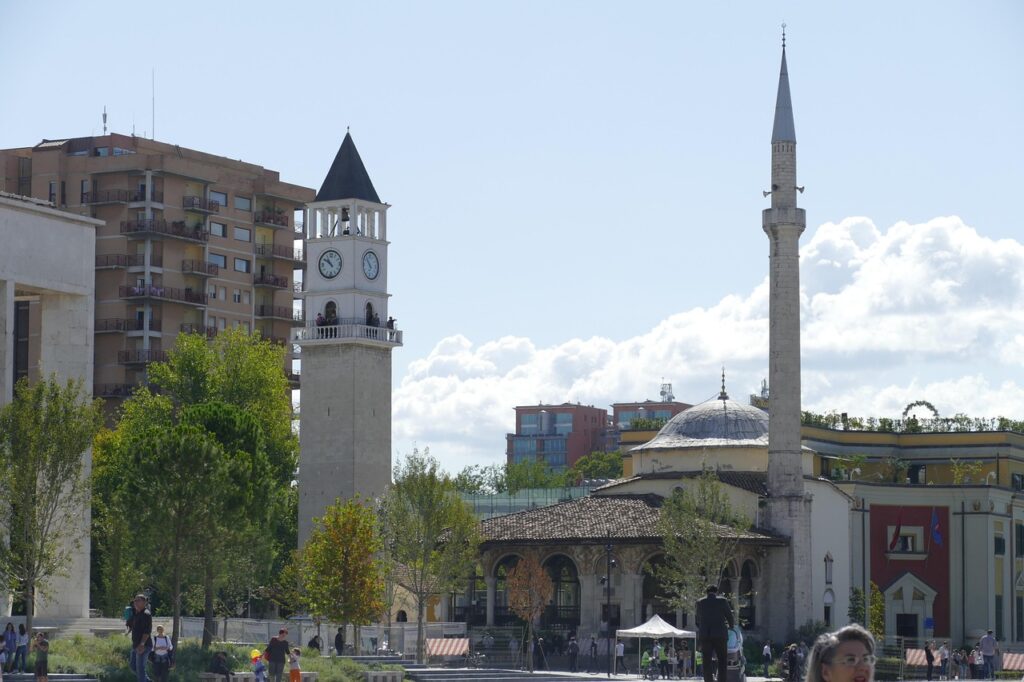
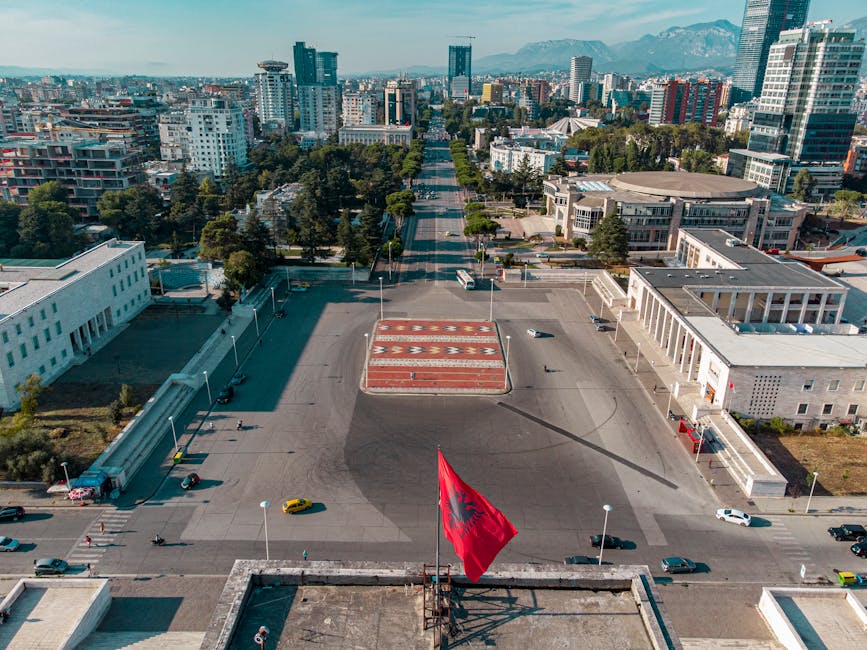
Tirana’s center packs the main historical and cultural landmarks — it’s compact, dense and very pedestrian-friendly. Skanderbeg Square (Sheshi Skënderbej, Tirana 1001) is a natural starting point. The large square, flanked by the Muzeu Historik Kombëtar (National History Museum, Sheshi Skënderbej, Tirana 1001) and the Et’hem Bey Mosque, is a space whose meaning is best appreciated by walking each corner.
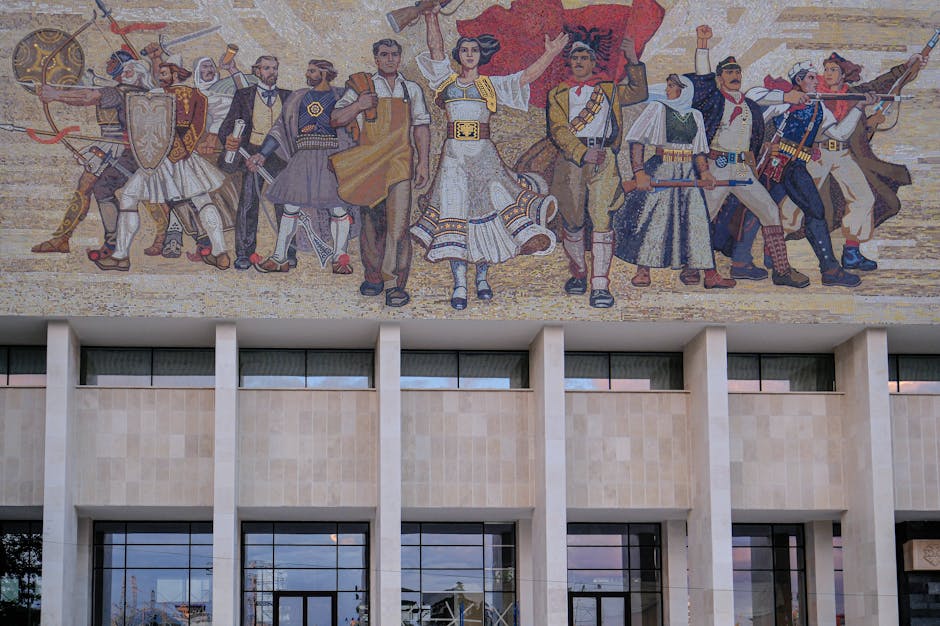
Muzeu Historik Kombëtar (Museum of History), address: Sheshi Skënderbej, Tirana 1001. Hours: generally open Tuesday to Sunday 09:00–17:00 (closed Monday). Approximate price: 200 Lek (≈€1.60) for adults; student and senior reductions available. The large mosaic on the façade deserves a 10–20 minute stop to read the symbols of the past century.
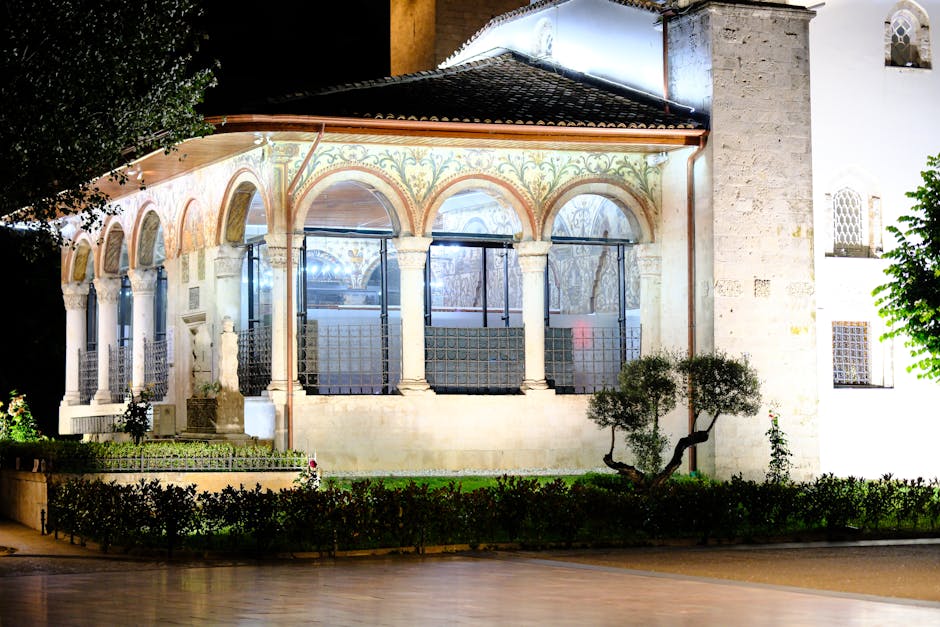
Xhamia e Et’hem Beut (Et’hem Bey Mosque), address: Rruga Dëshmorët e Kombit, Sheshi Skënderbej, Tirana 1001. Hours: generally open to visitors outside prayer times (mornings and late afternoons), donation recommended. Inside, the floral frescoes and interior decorations are delicate — approaching on foot lets you spot informational panels and wait for a service to finish if needed.
Just a short walk away you’ll find the National Gallery of Art (Galeria Kombëtare e Arteve, Rruga ‘Ismail Qemali’ 9, Tirana 1001). Hours: usually 10:00–18:00, closed Monday. Price: around 200–300 Lek (≈€1.60–€2.50). Walking from one museum to another allows you to stop at small cafés and bookstores like Dit’ e Nat’ (Rruga Murat Toptani), observe renovated alleys and communist-era buildings turned into cultural spaces.
Getting around on foot encourages spontaneity: you might stumble on a temporary exhibition or a local designer’s shop — things you’d miss from a car. The visual impact of moving from monumental architecture to tiny shops is also easier to grasp when you walk.
2) Everyday life and services: useful strolls that make taxis unnecessary
Beyond monuments, daily errands — paying a bill, waiting in line, sending a parcel, finding a pharmacy or bank — can turn a short trip into a time-consuming taxi ride. Tirana has a high density of services that makes walking not only pleasant but often faster and more efficient.
Pazari i Ri (New Bazaar), around Rruga 29 Nëntori and Rruga Myslym Shyri, is a great example. It’s a renovated market with stalls selling fruit, vegetables, fish and local products. Hours: most stands open from 07:00 and close around 19:00. Prices: fruit from €0.50–€1.00 per portion; fish €5–€10 depending on size. Buying locally while walking saves you the detour and waiting time a taxi would cause for short errands.

Pharmacies are numerous along Rruga Dëshmorët e Kombit and Rruga Myslym Shyri. Example: Farmaci 10 Nëntori, Rruga Myslym Shyri 54, Tirana 1001 — roughly open 08:00–20:00. Banks and exchange offices cluster around Skanderbeg Square: Banka e Shqipërisë (Central Bank of Albania) and exchange bureaus on Rruga ‘Ismail Qemali’. For an urgent transfer or withdrawal, you’ll often save time walking to the nearest office rather than flagging a taxi and sitting in traffic.
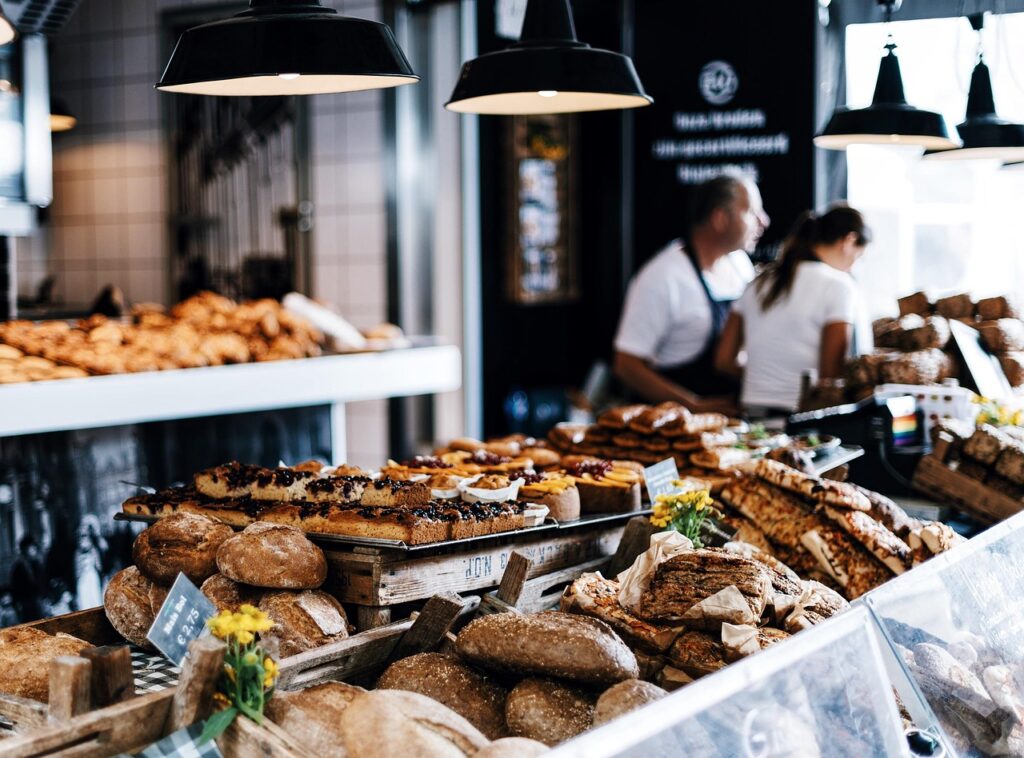
For light errands (post office, dry cleaner, small grocery), distances inside the center are mostly under 2 km — a 20–30 minute walk. Bonus: you’ll discover artisans, carpentry shops and local bakeries (furnituese) that often don’t appear in taxi apps. Interacting with locals to ask directions gives instant tips on off-peak hours, the best shops and pedestrian shortcuts.
3) Street food, cafés and Blloku: eating while you walk transforms the experience
Tirana is a city of cafés and small food stalls. Exploring them on foot multiplies taste opportunities and sensory discoveries. The Blloku neighborhood (Ish-Blloku) is the hotspot for trendy cafés, bars and restaurants. Iconic streets: Rruga Murat Toptani and the side streets in the Ish-Blloku area. Hours: most cafés open 08:00–23:00, some bars until 02:00–03:00. A filter coffee costs roughly €1–€2, espresso €0.80–€1.50.
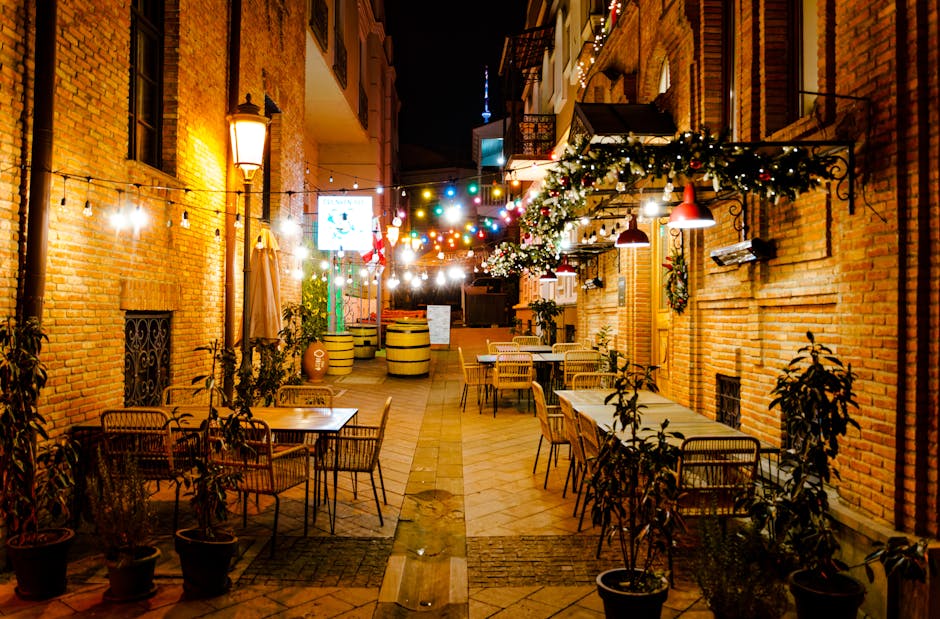
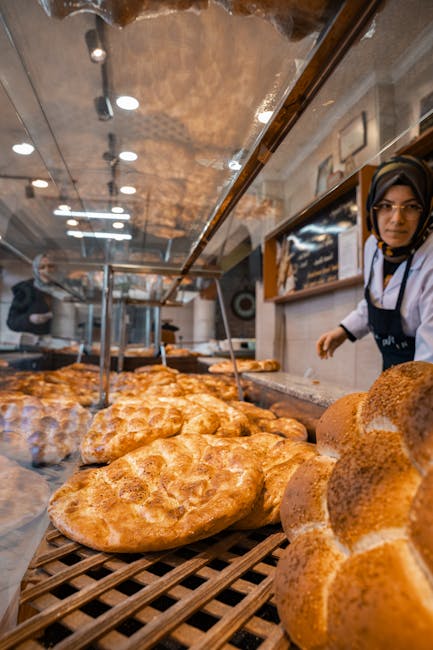
Walking between the center and Blloku (10–20 minutes depending on your starting point) lets you sample local specialties: byrek (savory pastry), reçel (local jam sold in bakeries), qofte (meatballs) and pite te qofte. Example byrek spot: Byrek Dani, Rruga Ismail Qemali 44 — byrek from about €0.50–€1.50. For a fuller meal, Oda Restaurant, Rruga Kavajës 10 (near the center) offers traditional Albanian dishes: mains €8–€15.
Pazari i Ri also overflows with stalls to taste olives, local cheeses and dried fruits. Street food here is cheap and high-quality, often €1–€4 per portion. Walking gives you the freedom to try several stalls and compare, rather than taking a taxi to a distant restaurant and losing the neighborhood thread.
Practical tips: avoid rush hours (08:00–09:30 and 17:00–19:00) if you want a pleasant food stroll; wear comfortable shoes and carry a water bottle, especially in summer. The idea is to walk from café to café, sample, and sit when a spot appeals to you — something you can’t do if your route depends on taxis.
4) Parks, viewpoints and the Dajti Ekspres: walking for panoramas and pauses
Tirana’s green spaces are large and perfect for walking. The Grand Park of Tirana (Parku i Madh i Liqenit Artificial) surrounding the artificial lake lies along Rruga e Elbasanit / Rruga Jordan Misja. Main access: Rruga Bardhyl (park entrances along Rruga Jordan Misja). Hours: generally open 24/7, activities and services vary. A full loop around the lake is about 4–6 km depending on the route — ideal for a 1–2 hour walk, jogging or stopping at park cafés (coffee €1–€2).
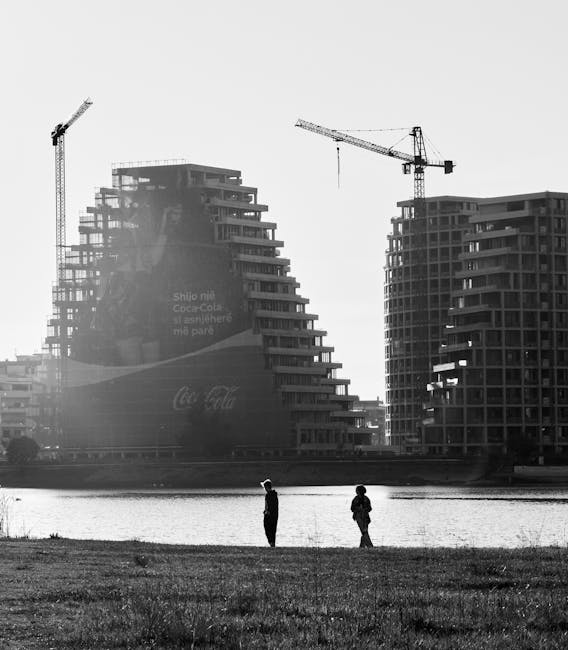
The Dajti Ekspres cable car is a must-do for panoramic views. Cable car station: Rruga ‘Dajti Ekspres’ (base station near the Grand Park, approximate address: near Rruga ‘Besim Dina’). Hours: usually 09:00–17:00 (longer hours in summer). Round-trip fare: about 700 Lek (≈€6). Many visitors combine a walk to the station with a cable car ride for the panorama. Walking to the cable car takes you through neighborhoods where you’ll find local cafés and bakeries en route.
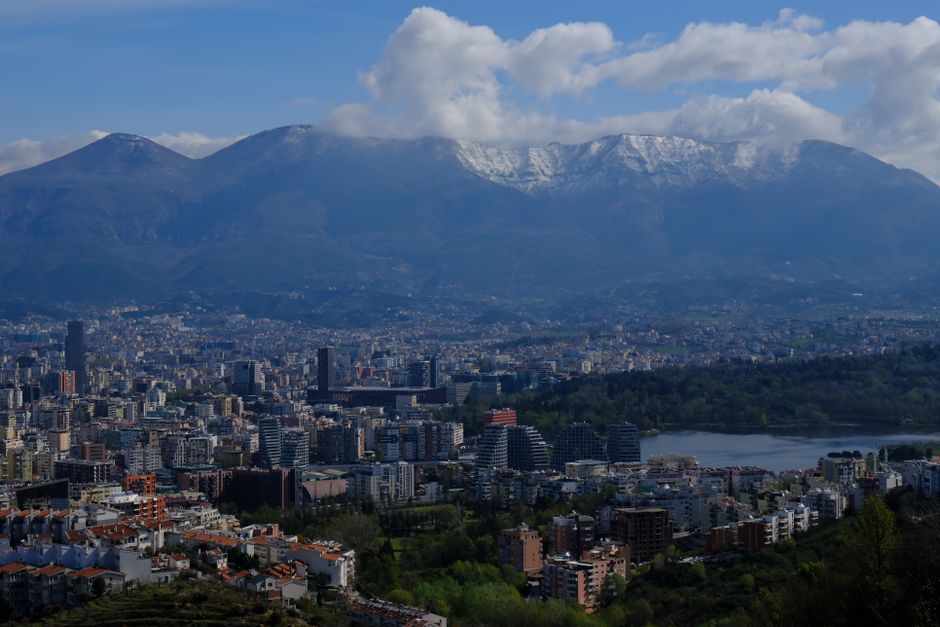
Another viewpoint reachable by foot from the center is the hill at Parku Rinia and the National Theatre. A 15–25 minute climb brings you to pleasant overlooks across the city. During these walks you’ll pass sports facilities, playgrounds and local exercise groups — great chances to observe everyday life and mingle with residents.
Local tips: for a comfortable park walk, aim for early morning (07:00–09:00) or late afternoon (18:00–20:00) to avoid summer heat. Bring some Lek for snacks at kiosks; several small stands don’t always take cards. Finally, combine walking with the cable car to vary pace and views: walk up and take the Dajti Ekspres down, or vice versa.
5) Safety, costs, practical tips: how to walk smart in Tirana
Walking in Tirana is generally safe, but follow a few practical rules to maximize comfort and security. For safety, favor well-lit areas at night like Blloku and Skanderbeg Square. Central neighborhoods are broadly safe, but as anywhere, avoid flaunting expensive items after dark in quiet streets.
Prices and savings: a typical central taxi ride (2–4 km) usually costs between €1.50 and €4.00, depending on the starting fare (around 150–200 Lek ≈€1.25–€1.70) and distance. Local apps and metered taxis (taksi me taksimetër) are generally the fairest option; check for a meter and the per-kilometer rate. Walking saves those fares and lets you redirect your budget toward local experiences (museums €1.50–€5, meals €3–€15).
Shoes and gear: pick comfortable walking shoes — sidewalks can be uneven and under repair in spots, especially on Rruga Myslym Shyri and some secondary arteries. In summer, bring a hat and water; in winter, a windproof jacket and waterproof shoes. An offline map or app (Maps.me, Google Maps offline) is handy if you wander beyond the center.
Local tips:
- Pedestrian shortcuts: look for passages between buildings and narrow alleys — they often cut official distances short.
- Off-peak hours: late mornings (10:00–12:30) and late afternoons (16:00–18:00) are ideal for strolling without the crowds.
- Hydration and payments: many kiosks accept cash only — carry some Lek for small purchases (exchange at official bureaux near Skanderbeg Square).
- Bad weather alternatives: if rain surprises you, taxis are handy but agree the price before getting in if the meter is absent; otherwise, plenty of cafés are available to wait it out.
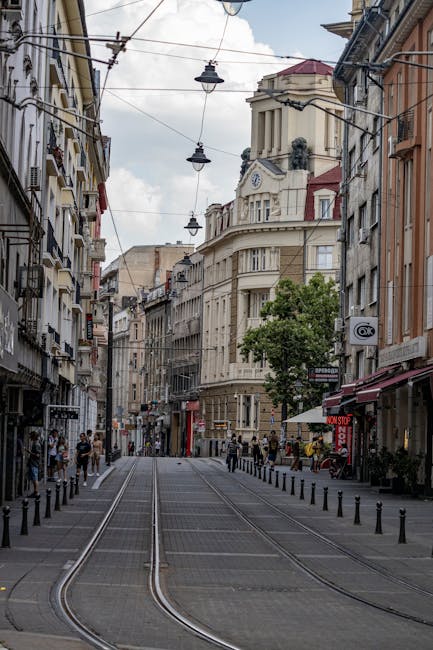
Conclusion — Walking in Tirana: a winning strategy for curious travelers
Walking in Tirana isn’t just a way to get around: it’s a discovery strategy that changes how you relate to the city. By favoring walking for short trips and for exploring neighborhoods and green spaces, you save money, gain cultural immersion and reduce stress from traffic. Iconic places — Skanderbeg Square (Sheshi Skënderbej, Tirana 1001), Muzeu Historik Kombëtar (Sheshi Skënderbej), Et’hem Bey Mosque (Rruga Dëshmorët e Kombit), Pazari i Ri (around Rruga 29 Nëntori), Blloku (Rruga Murat Toptani area), the Grand Park (Parku i Madh i Liqenit) and the Dajti Ekspres — are all comfortably walkable and offer far richer experiences than a taxi ride.
Walking lets you find serendipities: a lively little café, an exhibition in a courtyard, a street-food stall with a €1–€3 dish, or a local crafts workshop. Even everyday services (pharmacies, post offices, banks) are numerous in the center, so handling them on foot often saves time. For trips truly unsuitable for walking — heavy luggage, extreme weather, very late-night outings — taxis remain useful; but when you know how to walk, you’ll choose wisely.
Practical route: start at Skanderbeg Square, stroll to Pazari i Ri for the morning market, continue to Blloku for coffee breaks, cross the Grand Park to breathe, and finish with the Dajti Ekspres for a panoramic view. All on foot, punctuated by small local expenses (coffee €1–€2, snack €0.50–€4, museum €1.50–€6) will cost less than a string of taxi rides and — more importantly — leave you with authentic memories and encounters.
In short: walk when it’s practical, take a taxi when it’s necessary, but don’t let the car — or convenience — rob you of the main thing: exploring at human scale. Tirana is made for wandering, and your footsteps are the best guide to understanding the city and its people.